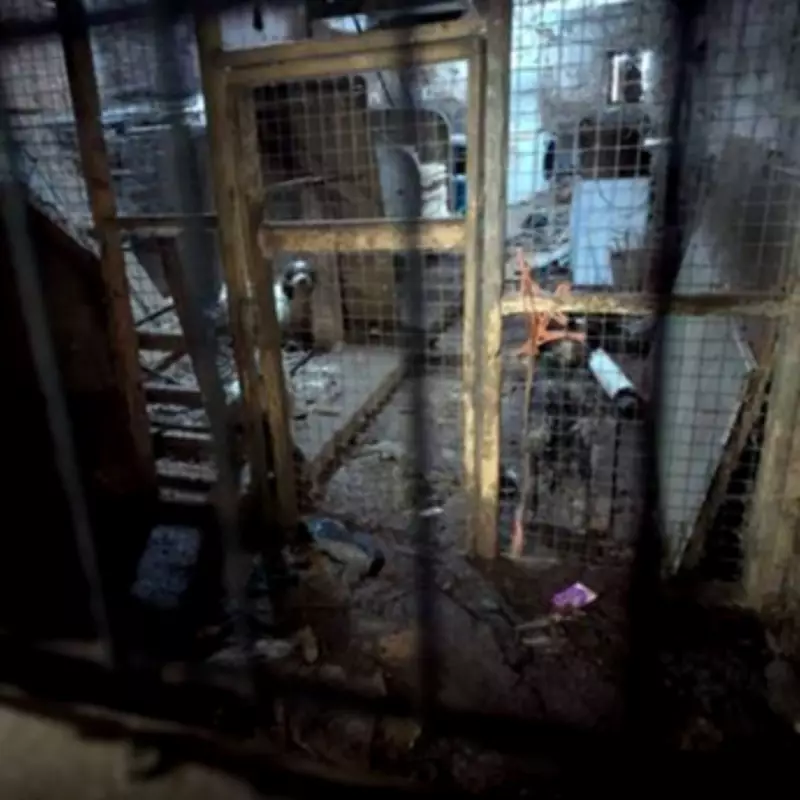
Mother and Daughter Face Justice for Animal Cruelty on County Durham Farm
A County Durham mother and daughter have been convicted of horrific animal cruelty after more than forty horses and dogs were discovered living in appalling conditions at their remote farm. Kerry Anne Pickersgill, 48, and her daughter Ellie Newby, 25, were sentenced at Durham Crown Court following an investigation by the RSPCA and World Horse Welfare that revealed dead and dying animals throughout the property.
Shocking Discovery of Neglected Animals
Rescuers discovered twenty-two horses living alongside deceased equines in filthy barns and stables at the Marwood farm near Barnard Castle. Many of the horses had collapsed, with the majority being severely underweight and suffering from starvation. In separate structures, twenty-one dogs were found confined in sheds and trailers, many with matted fur covered in mouldy faeces and living in complete darkness.
The conditions were described as among the worst ever encountered by experienced animal welfare officers. Inspector Ian Smith of the RSPCA reported finding skeletal remains of horses partially hidden among rubble, with evidence suggesting some carcasses had been burned. In one stable, a chestnut foal was discovered standing beside its dead mother in deep faeces, with no clean bedding available.

Court Proceedings and Sentencing
During the hearing before Judge Peter Makepiece KC, the court heard that Pickersgill had previously been banned from keeping all animals for life in May 2015. Despite this disqualification, she admitted to twelve counts of causing unnecessary suffering, two counts of failing to meet animals' needs, and breaching her previous ban. The charges specifically related to twenty-two horses and twenty-one dogs found on the property.
Newby admitted two offences of causing unnecessary suffering concerning two dogs. Pickersgill received a two-year prison sentence suspended for two years, along with requirements to complete twenty-five rehabilitation activity days, one hundred hours of unpaid work, and a six-month mental health treatment order. Newby was given a twelve-month community order with one hundred fifty hours of unpaid work and was disqualified from keeping dogs for five years.
Detailed Evidence of Suffering
Written testimonies from multiple RSPCA inspectors painted a devastating picture of systematic neglect:
- Horses were found with bones clearly visible through their skin, suffering from severe malnutrition
- Many animals were observed eating their own faeces due to starvation
- The only available water on the property was brown and contaminated
- Lice and worm infestations were widespread throughout the animal population
- Dogs were kept in dark enclosures with non-functioning lights, living among days' worth of accumulated waste
- The smell of ammonia in closed sheds and horseboxes was described as overwhelming
Inspector Heidi Cleaver testified that all dogs were kept in wholly unsuitable living conditions with floors littered with dog mess, no clean resting areas, and no access to fresh water. Inspector Clare Wilson noted that most dogs were extremely underweight with all bones easily visible, their fur matted with mouldy faeces.
Veterinary Assessment and Recovery Efforts
A veterinary expert stated clearly that the owner had failed to provide necessary veterinary attention, with animals at various stages of deterioration due to inadequate diet and lack of parasite treatment. The vet emphasized that all animals were on the same conveyor belt of declining health, with deceased animals left in the same enclosures as living ones.
One particularly distressing case involved an Old English Sheepdog named Ali, found weighing just 13.3 kilograms after months of starvation. Her coat was severely matted with mouldy faeces, her paw pads raw from constant exposure to wet conditions, and her ears inflamed and weeping. After being sedated for shearing and receiving proper care, Ali's weight increased to 21.45 kilograms by the end of April.

Animal Rehabilitation and Aftermath
The vast majority of surviving animals were successfully nursed back to health and rehomed through the RSPCA's Felledge Animal Centre in County Durham and Great Ayton Animal Centre in North Yorkshire. Surviving horses are being cared for by World Horse Welfare and have shown considerable progress in their recovery. A Shetland pony rescued from the farm has since been rehomed through the RSPCA's Felledge Equine Centre.
Following the sentencing, Inspector Cleaver expressed that everyone involved in the rescue operation was deeply affected by what they encountered. The images of starving horses standing alongside dead ones, and scores of nervous dogs living in near darkness, will stay with us all for a long time, she stated. Seema Ritson of World Horse Welfare added that this case particularly haunts her, describing the suffering as truly horrendous and among the worst she has witnessed in her career.
The court heard that Pickersgill expressed regret for her actions and accepted full responsibility for putting herself in this predicament. Newby, who had no prior convictions, was described as being under her mother's influence and living a solitary existence with significant personal problems.