Romance Fraud Warning: Victims Lose £11,000 on Average in 'Dangerous' Scams
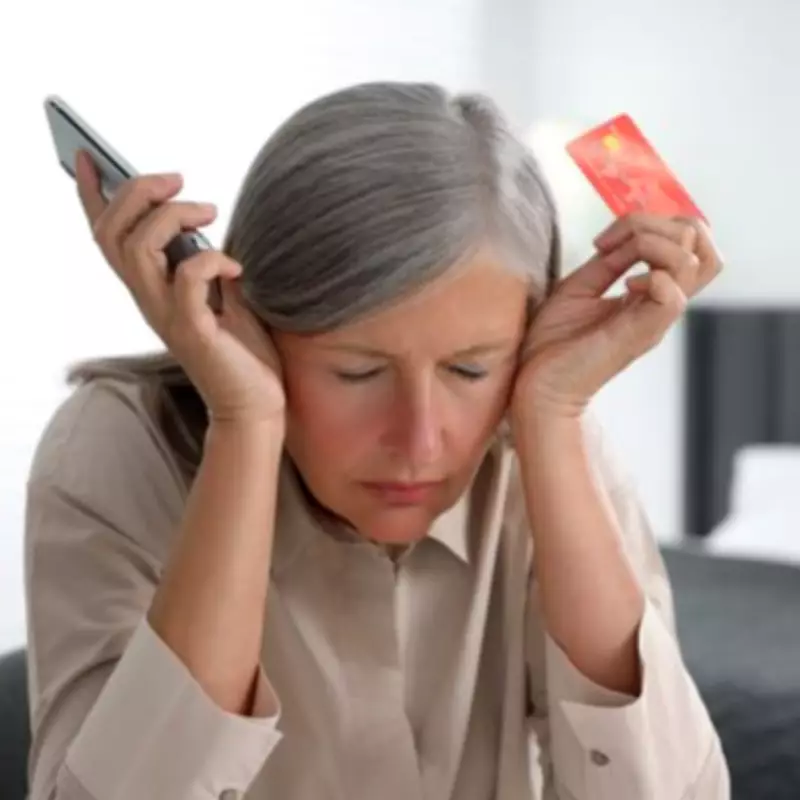
A critical scam warning has been issued regarding a 'dangerous' fraud scheme that is leaving victims thousands of pounds worse off. There has been a significant surge in romance fraud, a specific type of scam where criminals create fake online identities to form relationships and extract money.
Alarming Financial Losses Across the UK
According to data from the City of London Police and the National Fraud Intelligence Bureau, victims in the UK recorded over £106 million lost due to romance fraud in the most recent reporting year between 2024 and 2025. This staggering figure works out to an average loss of £11,000 per victim.
Chargebacks911, a global leader in dispute resolution and chargeback prevention, has highlighted that while rates of these scams are rising, recovery numbers remain distressingly low. The firm warns that romance fraud is becoming increasingly prevalent and sophisticated.

Recent Surge and Industry Reports
Reports indicate a sharp increase in romance fraud activity. UK Finance recorded £20.5 million lost in the first half of 2025 alone, representing a 35 per cent jump compared with the same period in 2024. Similarly, Barclays has reported that romance scam reports spiked 20 per cent year on year in early 2025.
These statistics paint a concerning picture of a fraud trend that shows no signs of slowing down, with criminals adapting their methods to exploit emotional vulnerabilities.
Inside a Sophisticated Scam Operation
Tracy Cray, managing director of UK & Europe operations at Chargebacks911/Fi911, shared her personal experience with romance scammers to illustrate how these operations work. After signing up to a dating app, she received immediate messages, with one account standing out due to its polite tone and credible personal story.
The individual claimed to be an architect living in London, a widow with a teenage daughter. After initial messaging on the app, the conversation moved to WhatsApp, where the scammer expressed interest in focusing on just one connection.
"What shocked me most wasn't the story itself – it was how organised it was," Tracy explained. "This wasn't simply one person trying their luck but a system. Multiple people, multiple roles, emotional scripts, financial structures and shift patterns. It felt industrial."
Red Flags and Deceptive Tactics
Tracy conducted background checks that revealed numerous inconsistencies: the account had no digital footprint, no company record on Companies House, and reverse image searches showed the photos belonged to a different individual living in America.
She noted that the messaging style changed over time, with grammar and tone varying, and replies that didn't always follow conversation threads – suggesting multiple people were running the chat. The scammer shared deep personal experiences to build trust and maintained regular communication to create emotional attachment.
The Financial Pitch and Emotional Manipulation
Once trust was established, the narrative shifted: the individual claimed to be transitioning from architecture into property development, awaiting payment from a large project in Luxembourg and preparing for a new contract in Turkey, supported by fake evidence.
The story evolved further when the scammer claimed to have arrived in Turkey, had their briefcase stolen, lost their phone, and found themselves in financial difficulty. When Tracy resisted assistance requests, the scammer sent increasingly desperate attempts with fabricated evidence. The entire scheme lasted approximately nine months before concluding.
The Devastating Impact Beyond Financial Loss
"I had the advantage of knowing what to look for, due to my profession and my decades of experience in fraud, but many people don't," Tracy said. "They just see kindness, attention, consistency and care. And that's what makes these scams so dangerous. They don't start immediately with money but unfortunately with connection."

She emphasized that for many victims, the emotional damage can be even worse than the financial loss. "It changes how people trust, how they form relationships, and how safe they feel online. Romance scams take confidence, security and dignity, as well as money."
The warning serves as a crucial reminder for online daters to remain vigilant, verify identities thoroughly, and be cautious of individuals who quickly develop emotional connections while eventually requesting financial assistance.