More than 13 million UK households could eventually face paying around £20 a month to watch television if Freeview is phased out in the coming years, experts have warned. The Government has confirmed that licences for digital terrestrial television (DTT) are currently secured only until 2034, with no decision yet taken on what will happen beyond that point.
Freeview's uncertain future
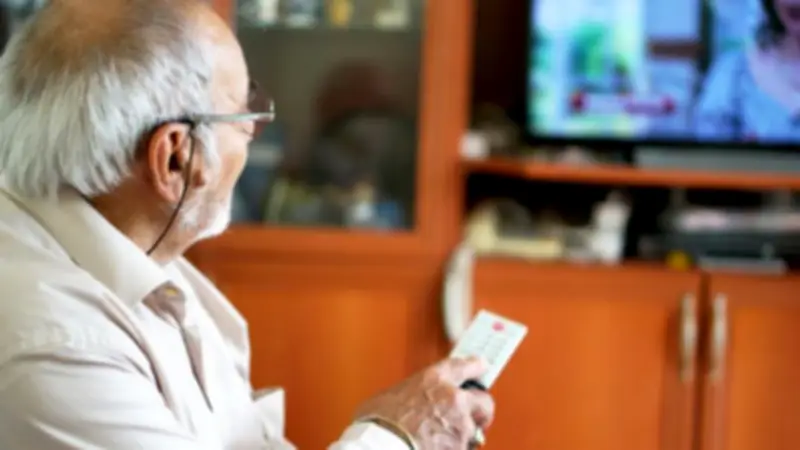
A recent Parliamentary response stated that Freeview is guaranteed until at least that date, leaving the long-term future of the platform uncertain. The issue has sparked concern because Freeview remains widely used, reaching around 13.6 million homes and accounting for roughly 40% of UK television households. If the service were to end and viewers were pushed toward internet-based TV, those without broadband could be forced to pay for a connection, typically estimated at around £20 a month. They may also need additional equipment or a new television to continue watching.
Concerns raised on television programmes
The debate was discussed on Jeremy Vine and Daytime on 5, where presenter Isabel Webster highlighted concerns about cost and access. She said more than 150,000 people had signed a petition to protect terrestrial TV, adding: “It is secure until the early 2030s, but after that the licence expires and those who don’t have a broadband connection will need to pay for one to keep watching television. For those people, they either need to sign up to a provider, pay a monthly fee, probably around £20 a month. You’d also either need a device to plug in to your TV to adapt it to broadband or you’d need to fork out for a whole new television.”

Impact on vulnerable groups
Campaigners warn the move could disproportionately affect older viewers, rural communities and low-income households. Around 6% of UK homes still do not have broadband and rely solely on aerial or satellite services, meaning millions could be affected if terrestrial TV is eventually switched off. Opinion editor Alys Denby told the programme that the shift toward streaming is already well underway. She said: “This is a change which is inevitable, people are not using terrestrial TV any more, everything is moving on to streaming.”
However, concerns were raised about affordability and access for those without reliable broadband, with Webster questioning whether millions without broadband could simply be left behind. Denby responded that the issue may depend on whether people choose not to adopt broadband or are unable to access it due to rural coverage gaps, adding that some prefer to remain 'off the grid'.
Social media reactions
Viewers also raised concerns on social media, with some warning about the impact on vulnerable people who rely on Freeview and may struggle with additional costs or digital alternatives. One viewer said their uncle, who is housebound and has learning difficulties, relies on Freeview and could struggle if costs increased. Others pointed out that millions currently use the service and questioned whether it is fair to charge for access to TV in future. Some also warned that a fully internet-based system could be vulnerable to outages, leaving entire communities without television if broadband networks fail.
Government and taskforce statements
Labour MP Peter Lamb recently raised questions in Parliament about the future of digital terrestrial television licences, prompting Minister Ian Murray to confirm that the system is secure until at least 2034. He said: “Parliament legislated to secure the future of DTT until at least 2034. No decision has yet been made about the future of the DTT platform beyond this point.” A spokesperson for the Future TV Taskforce, which includes public service broadcasters and Everyone TV, said it supports a 'carefully planned, managed transition' from digital terrestrial television to internet-delivered services. The group said: “Done well, this approach can protect universal access to public service broadcasting; support innovation and investment across the TV sector; and deliver long-term benefits for viewers and the UK economy.” However, it stressed that any future changes must be inclusive and ensure all audiences can continue to access trusted UK content.