A town in the West Midlands has been officially ranked as the worst place in the United Kingdom for quality of life, with locals comparing daily existence to living in a "war-zone" or a "real-life Shameless episode".
A Town in Decline: From Thriving Trade to Deprivation
Walsall, once the proud centre of the UK's leather trade, has been placed at the bottom of the Demos-PwC Good Growth for Cities Index for 2025. The study, which measures economic performance and living standards across the country, found the town struggled more than any other for growth over the past year.
The index is based on twelve categories including job availability, skills, income, and housing affordability. Walsall was also named the second least healthy high street and the third worst job market in the entire nation.

Residents report a stark decline over the last two decades, blaming rising unemployment, a lack of investment, and the departure of major retailers. "This town used to be buzzing," said 40-year-old local Daniel Briars. "Every shop unit was taken in the 90s and people used to come for the nightlife here over Birmingham, believe it or not. Day or night it was thriving, and now look around - it's vape shops, charity shops or empty shops."
Life on the 'Roughest Estate': Fear, Drugs, and Fly-Tipping
The problems extend far beyond the hollowed-out town centre. One suburb, Blakenall, has previously been dubbed "Britain's roughest estate". A long-term resident there stated the town's bottom ranking was deserved. "It's horrible," he said. "I've been here 40 years, it used to be okay but now it's gone so much downhill. It's rubbish and drugs which are the issue. The council and police aren't interested in us."
He described a chaotic environment where fire engines are called multiple times a week due to youths setting fires, concluding, "This is worse than Shameless, it's honestly terrible here."
Other areas like Caldmore were also highlighted as particularly run-down. Photographs accompanying the report show a landscape of fly-tipped rubbish, boarded-up houses, and deserted shopping units, painting a picture of a community many feel has been abandoned.
Voices from the Community: From Market Traders to Fleeing Residents
The sense of danger is pervasive. Market trader David, who did not give his full name, said, "A lot of people have stopped coming, especially old people, they get frightened to come to the town." He also claimed that some homeless people begging outside the local Wetherspoons pub earn more than he does on a bad day.
This sentiment was echoed by shopper Sam, who is planning to move to Poland to escape. "I only come into town for what I need, I don't feel safe living here," she explained. "As a kid I used to walk into town alone. But now my husband doesn't want me heading out alone. Then there's all the stabbings - 30 years ago you hadn't heard of a stabbing. Now it happens all the time."
Community workers Andrew and Jayne, both 38, were unsurprised by the ranking. Andrew pointed to a high risk of knife crime and a lack of amenities, while Jayne revealed the grim reality of teaching anti-stabbing lessons to children as young as nine or ten in local schools.
A Glimmer of Hope and Official Response
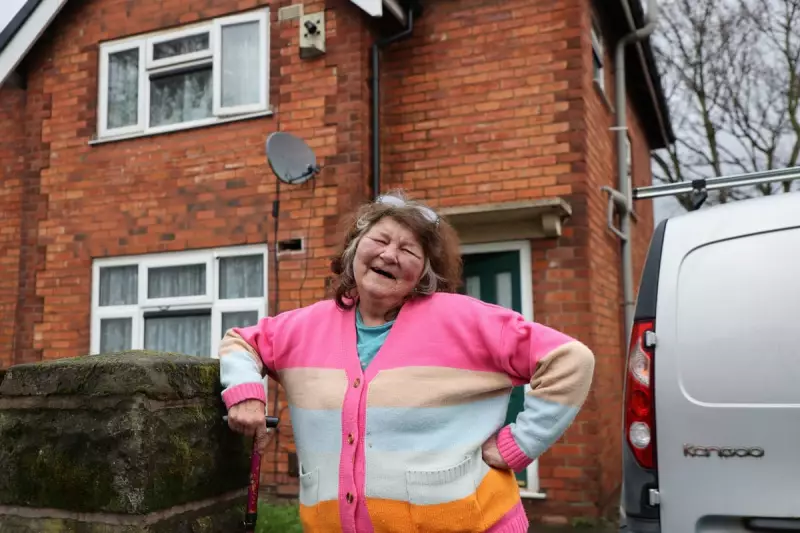
Not every voice was one of despair. Mary Davis, 83, who moved from Ireland as a teenager, said she was proud to live in Walsall and had never been a victim of crime there. However, the overwhelming testimony points to deep-seated issues.
In response to the damning index, Councillor Adrian Andrew, Deputy Leader of Walsall Council, argued it was "time to change the conversation about Walsall". He pointed to ongoing redevelopment projects and the council's We Are Walsall 2040 plan, designed to tackle inequalities. "The challenges we face are not unique," he stated, "but what sets us apart is the determination and ambition that's driving our transformation and creating positive change."
Despite these assurances, for many residents enduring what they describe as no-go zones and economic hardship, the promised transformation cannot come soon enough for a town now bearing the unwelcome title of the worst in Britain for quality of life.