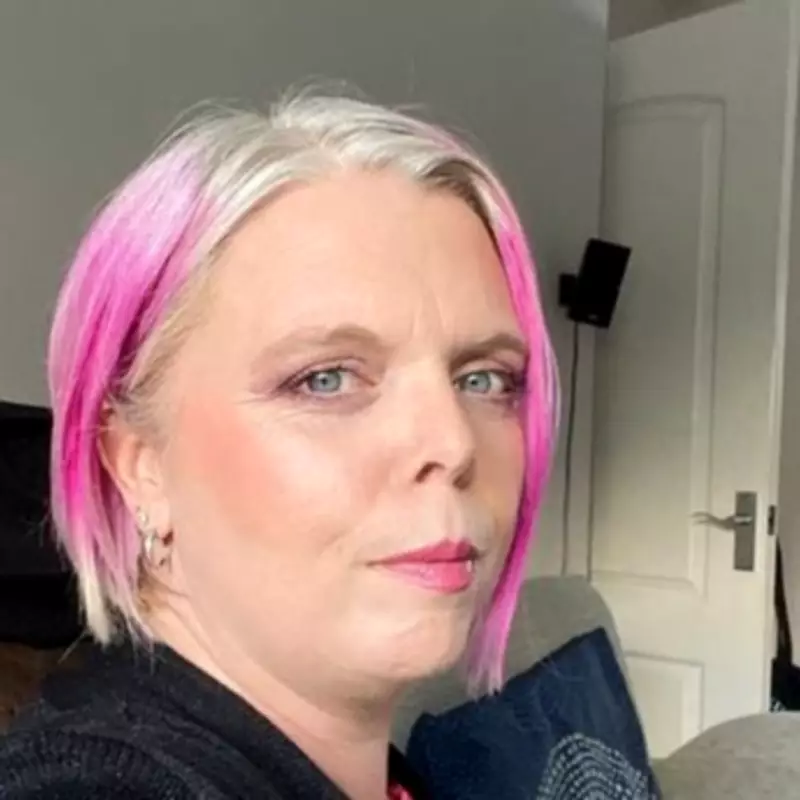
Derbyshire Resident Shares PIP Claiming Expertise on Social Media Platform
Sara Middleton, a 47-year-old resident of Chesterfield in Derbyshire, has become an influential voice in the benefits community by receiving £749 per month in Personal Independence Payments (PIP) from the Department for Work and Pensions (DWP) and teaching others how to navigate the complex claiming process.
Chronic Health Conditions Qualify Woman for Regular Financial Support
The East Midlands woman qualifies for the substantial monthly payment due to multiple chronic health conditions including fibromyalgia, which causes widespread chronic pain. Her medical situation also includes spinal issues, chronic fatigue syndrome, depression, anxiety disorders, and chest inflammation. These conditions collectively meet the eligibility criteria for PIP, which is designed to help with extra living costs for people with long-term health conditions or disabilities.
TikTok Platform Becomes Unexpected Educational Resource
Middleton never initially planned to become a social media educator but discovered her "tribe" on TikTok where she now creates video tutorials about the PIP application and review process. One of her popular videos addresses "Two big mistakes people make that cause them to fail their PIP review," highlighting common pitfalls that prevent legitimate claimants from receiving benefits they qualify for.

"I never set out to do TikTok, but now I've found my community on social media," Middleton explained about her unexpected journey into benefits advocacy through digital platforms.
Addressing Misconceptions About Benefits System
The content creator faces significant online criticism and what she describes as "an awful lot of hate" directed at benefits recipients, particularly surrounding PIP and associated programs like the Motability scheme. She works to counter widespread misunderstandings about how the system operates.
"People have this idea that you can go to a doctor, tell them you're a bit sad to get diagnosed with depression, then get PIP and a free BMW," Middleton noted, emphasizing the reality that the process requires substantial medical evidence and documentation.
Educational Approach Focuses on Communication Skills
Rather than providing shortcuts or guaranteed strategies, Middleton teaches claimants how to effectively communicate their circumstances during assessments. She emphasizes that her guidance cannot guarantee successful claims but helps people present their situations accurately to DWP assessors.
"The biggest misconception is that you can help someone cheat the system," she stated. "All I'm trying to do is educate. PIP is the hardest support to get, and I just try to explain to people how to communicate with the Department for Work and Pensions to get benefits they are eligible for."
Evidence-Based Claims Remain Essential Component
Middleton stresses that no amount of coaching can replace proper medical documentation, including diagnosis letters, consultant reports, assessment outcomes, and test results. Her approach focuses on helping people understand what evidence they need and how to present it effectively rather than providing "key phrases" or guaranteed strategies.
"I teach people how to communicate their circumstances, how to paint the picture when the assessors ask for details of their situation," she described her methodology. "Unfortunately the general consensus is I'm teaching people how to 'win PIP.' I want to educate, advocate and empower. I want people to be confident and have a fair shot."
Humanizing the Benefits Experience
The mother-of-one concludes with a reminder about the universal vulnerability to health challenges: "People forget that nobody is exempt from becoming ill - it could be them one day." Her work aims to destigmatize benefits claims while providing practical guidance for those navigating what she describes as one of the most difficult support systems to access within the UK welfare structure.