Accent Coach Pinpoints Cillian Murphy's Peaky Blinders Mistake
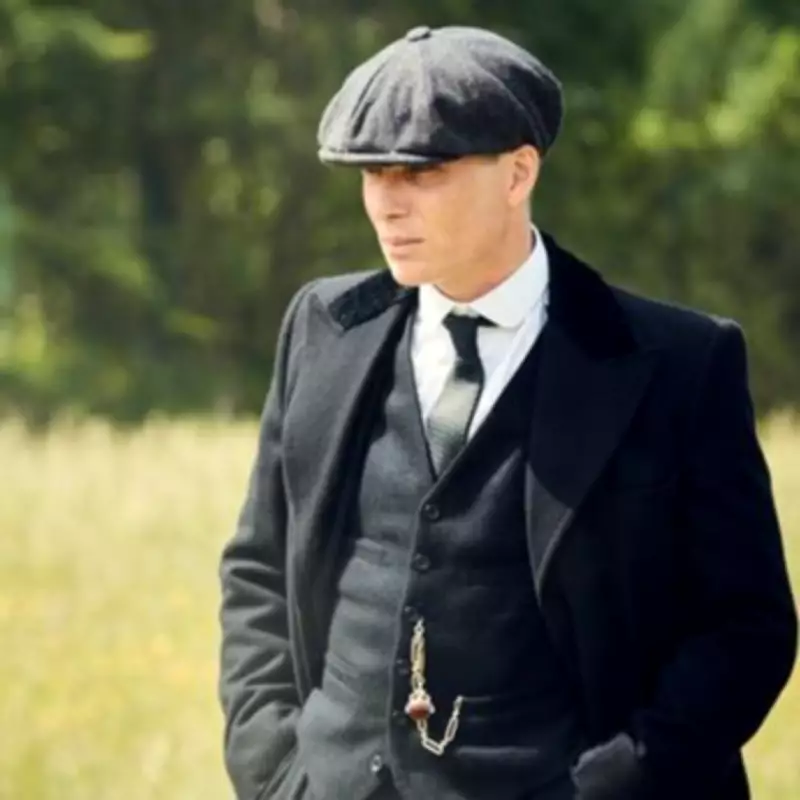
An accent coach has revealed a subtle but telling error in Cillian Murphy's otherwise acclaimed Brummie accent in Peaky Blinders. The Irish actor, hailing from Cork, has portrayed Birmingham crime boss Tommy Shelby since the BBC series began in 2013, and recently returned for the 2026 film Peaky Blinders: The Immortal Man.
Expert Analysis of Murphy's Performance
Speaking to Heart Bingo Online, accent coach Alix Dunmore shared her professional assessment. She praised Murphy's overall work, stating, "Cillian Murphy does it well. He's one of the best." However, she noted that while his accent has improved, he still makes mistakes in a few key places.
Dunmore explained the specific flaw: "There's a final E sound in the Brummie accent that he doesn't use. A Brummie would say 'mon-eh' for money and 'Fred-eh' for Freddie. But he doesn't do that. He is more refined with his accent." This missing vowel sound is a clear indicator that Murphy is not actually from Birmingham.

The Nuances of Accent Adaptation
Dunmore, who describes herself as "very, very picky" when listening to accents, highlighted that Murphy's recognisable status makes her ears extra alert for inconsistencies. She suggested that the producers may have intentionally tweaked the accent for artistic reasons, blending elements to create a period feel and establishing their own rules for the Shelby family's dialect.
Interestingly, Dunmore pointed out that Irish actors like Murphy and his co-star Barry Keoghan might have an advantage when attempting a Brummie accent. "I think it's easier for Irish people to do a Brummie accent. Once you're used to dropping your Rs, it becomes quite simple. I know a lot of Irish people who are better at the Brummie accent than English people."
Peaky Blinders' Continued Success
The film Peaky Blinders: The Immortal Man has proven to be a massive hit, launching with 25.3 million views in its first three days on Netflix, according to industry reports. Fans of the franchise have more to look forward to, as a follow-up series is planned, set in the 1950s and chronicling a new generation of Shelbys in post-blitz Birmingham.
Despite the minor accent critique, Dunmore emphasised that Murphy does a "really good job" overall, acknowledging the similarities between the Cork and Brummie accents that may have aided his performance. The analysis offers a fascinating glimpse into the meticulous world of dialect coaching and the challenges actors face in perfecting regional speech patterns.