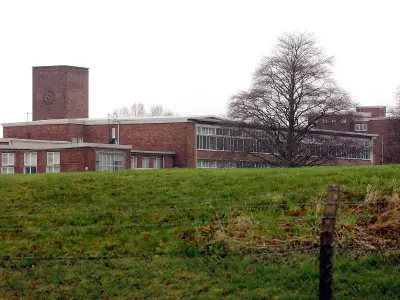
Two Liverpool schools dedicated to children with special educational needs and disabilities have received significant recognition for their pioneering educational approaches.
Abbot's Lea School's Flexible Provision Model
Abbot's Lea School in Woolton, which was previously honoured as one of the United Kingdom's best SEND schools and the Most Inspirational School in the North West, has developed innovative flexible learning methods. These approaches specifically support students who find traditional classroom environments challenging to engage with.
Headteacher Mrs Ania Hildrey explained the philosophy behind their Flexible Provision initiative: "The Flexible Provision ensures students continue to feel connected to their peers and to the wider school community. It is not about removing students from the classroom; it is about never giving up on them or excluding them from school but instead equipping them with the tools they need to become emotionally stronger, more socially confident, and ready to flourish."

The school serves more than 270 students aged three to nineteen who live with autism and various associated sensory and learning differences, making their flexible approach particularly valuable for this diverse student population.
Bank View School's Transformation
Meanwhile, Bank View School in Speke has undergone extensive transformation work that has created additional places for children with special educational needs and disabilities. The school's facilities have been significantly enhanced to better serve its student community.
Headteacher Andrew Wrigg expressed his enthusiasm about the changes: "We are absolutely delighted with the transformation of our school. These new facilities provide our pupils with the space and resources they need to thrive academically, personally, socially, and creatively."
Council Commitment to SEND Education
Councillor Joanne Kennedy, cabinet member for employment, educational attainment and skills at Liverpool City Council, reinforced the local authority's dedication to improving services for young people with special educational needs and disabilities.
"We are committed to delivering real change for young people with special educational needs and disabilities. We've completed expansion work at Millstead Primary, Palmerston College, and now Bank View School as well as agreed to build a new £40m purpose-built primary school for children with SEND in West Derby."
Accessibility Concerns for Blind Rail Passengers
In separate but related accessibility news, new research has revealed significant concerns among blind and partially sighted people regarding rail travel. A study conducted by the Royal National Institute of Blind People has uncovered troubling statistics about passenger experiences.
The research found that three in four blind and partially sighted people feel they cannot rely on rail staff for assistance and essential information during their journeys. More than sixty percent of respondents reported that staff do not consistently meet them at stations when they have pre-booked passenger assistance.
Additionally, a similar proportion expressed concerns about not receiving reliable notifications when train destinations change during their journeys. Physical safety remains a serious worry for many visually impaired passengers using the rail network.
Transport Accessibility Advocacy
Erik Matthies, RNIB's lead for travel and transport, highlighted the challenges faced by people with sight loss: "Far too many people with sight loss are frequently stuck at stations unable to board or change trains and face the stressful experience of having to seek help and locate platforms and carriages themselves. They have to contend with challenging ticket buying methods, inaccessible stations, platforms and on-board facilities like toilets, and inconsistent gaps between the train and platform edges which contribute to anxious, potentially unsafe journeys."
The RNIB is now urging the Government and transport authorities to ensure that accessibility considerations are properly embedded within the forthcoming Great British Railways legislation, advocating for systemic improvements to rail travel for visually impaired passengers.