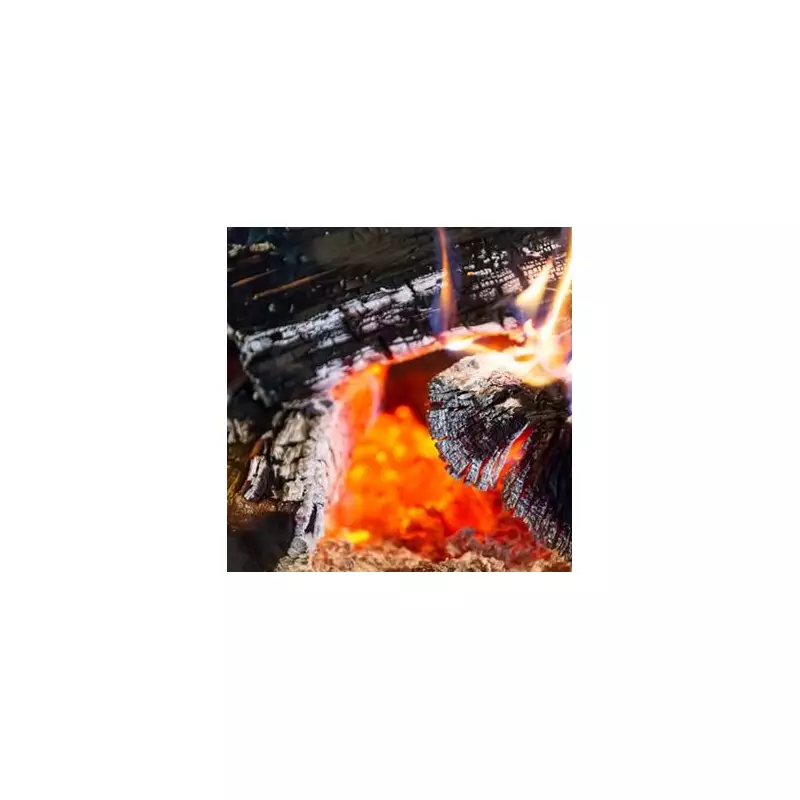
The Labour government has launched a significant crackdown on domestic wood burning, proposing four major new rules as part of a revised plan to tackle the UK's air pollution crisis. The updated Environmental Improvement Plan (EIP) sets out stricter measures aimed at reducing the harmful emissions from stoves, log burners, and bonfires.
Stricter Targets and Phasing Out Old Models
Central to the new strategy is a tightened target for cutting concentrations of PM2.5, a fine particulate pollutant linked to asthma, lung disease, and heart conditions. The government now aims to reduce these levels by 30% by 2030, compared to 2018 figures.
Under the proposed rules, manufacturers of stoves using solid fuel could be required to phase out older models that fail to meet new, cleaner standards. This move is designed to accelerate a shift towards less polluting technologies available on the market.

Calvin May, Head of Technical Services at HETAS, which represents the solid fuel industry, stated that appliances meeting existing 'Cleaner Choice' standards already align with the potential EIP targets. He emphasised the industry's readiness and commitment to improving air quality through practical, enforceable solutions.
Respecting Traditions While Protecting Health
The government's consultation promises to minimise the impact on those who need to burn wood and to respect traditional celebratory events like Bonfire Night and Diwali. Importantly, the proposals do not involve a ban on the use of older stoves that have already been sold to households.
Environment Secretary Emma Reynolds framed the plan as a necessary step change. "Our environment faces real challenges, with pollution in our waterways, air quality that’s too low in many areas, and treasured species in decline," she said. "This plan marks a step change in restoring nature."
A Welcome Step for Clean Air Campaigners
The strengthened PM2.5 goal has been welcomed by clean air campaigners, including Rosamund Kissi-Debrah. Her nine-year-old daughter, Ella, died in 2013 from an asthma attack linked to air pollution. Ms Kissi-Debrah, who campaigns for 'Ella's Law' to mandate clean air in England by 2030, called the new target a "win".
"It's not quite Ella's Law yet, but it's a step in the right direction," she told the Press Association. "Anything that's going to improve the air, and that means less children are going to be hospitalised and less children are going to die, I am always going to be for it."
Tighter Controls and Broader Environmental Goals
The proposed shake-up also includes tightening pollution limits in existing Smoke Control Areas, where restrictions on domestically burned fuels are already in place. The EIP highlights that domestic burning is a major source of PM2.5, especially in urban areas, describing these particles as capable of entering the bloodstream and internal organs.
Beyond wood burning, the wider EIP sets out ambitious new environmental targets, including:
- Restoring or creating habitats across 250,000 hectares by 2030—an area larger than Greater London.
- Tackling harmful chemicals and reducing invasive species.
- A comprehensive consultation on further measures to cut emissions from domestic combustion.
The government's consultation will now seek public and industry input on how to effectively implement these changes, balancing public health imperatives with practical considerations for households.