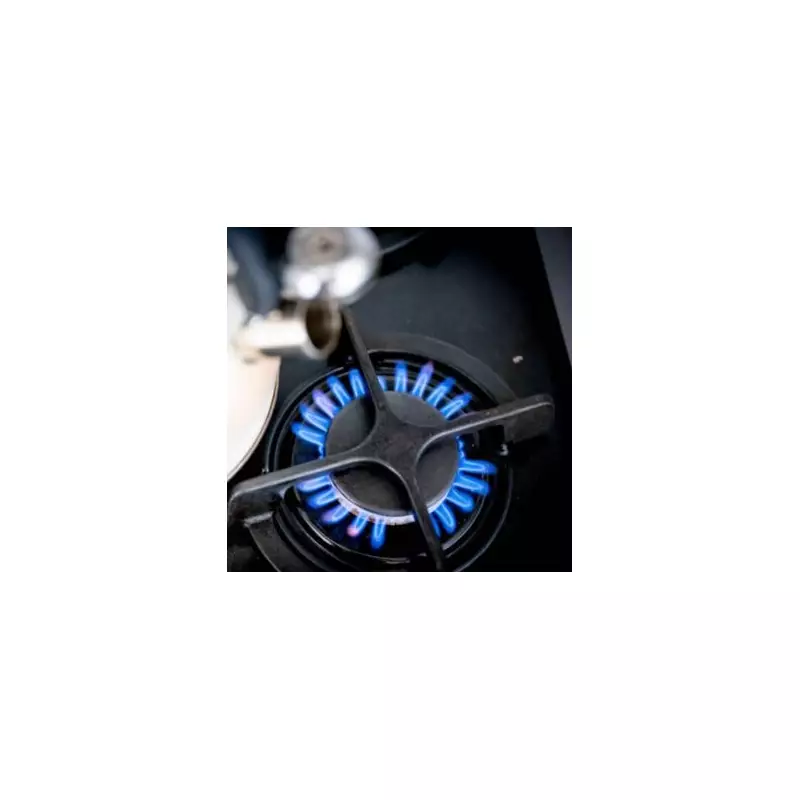
Millions of British households have been issued a stark health warning over their gas cookers, as new research links them to an increased risk of cancer. The findings emerge during the festive period when many families spend more time cooking at home.
Study Uncovers Alarming Benzene Levels
Researchers from Stanford University discovered that gas hobs can emit more of the harmful chemical benzene than second-hand tobacco smoke. Benzene is a known carcinogen strongly linked to several types of blood cancer, including leukaemia.
Professor Rob Jackson explained the mechanism to Stanford News, stating that benzene forms in high-temperature environments like flames. "We now know that benzene also forms in the flames of gas stoves in our homes," he confirmed.

The study also highlighted a significant gap in protection. While good ventilation is crucial, the research team found that standard kitchen exhaust fans are frequently ineffective at fully removing benzene exposure from the air.
Public Awareness and Safety Gaps Exposed
A concerning poll of 2,000 UK adults revealed a lack of public confidence and knowledge regarding gas safety. Only 51% of respondents felt properly educated about the risks of a gas leak, and a mere 48% were confident they could turn off their main gas supply in an emergency.
Lead study author Yanna Kastan shared her personal relief, saying, "The more we learn about pollution from gas stoves, the more relieved I am to be living without a gas stove."
Essential Steps for Gas Safety at Home
British Gas engineer Faye Lackey emphasised that simple actions can drastically improve home safety. "It’s clear that as a nation we are not as confident as we should be when it comes to gas safety," she stated.
She outlined several critical measures for households:
- Annual Servicing: Book a yearly boiler service and gas appliance check by a qualified professional to identify issues early.
- Gas Safe Register: Always ensure anyone working on your gas appliances is listed on the official Gas Safe Register.
- Carbon Monoxide Alarms: Install a certified alarm (with a British Standard mark) and check it regularly, noting its expiry date.
In case of a suspected gas leak, Faye Lackey advised immediate action: Call the national Gas Emergency Service on 0800 111 999. Residents should also turn off the gas at the mains shut-off valve, open all windows and doors to ventilate the area, and evacuate the property quickly and safely.