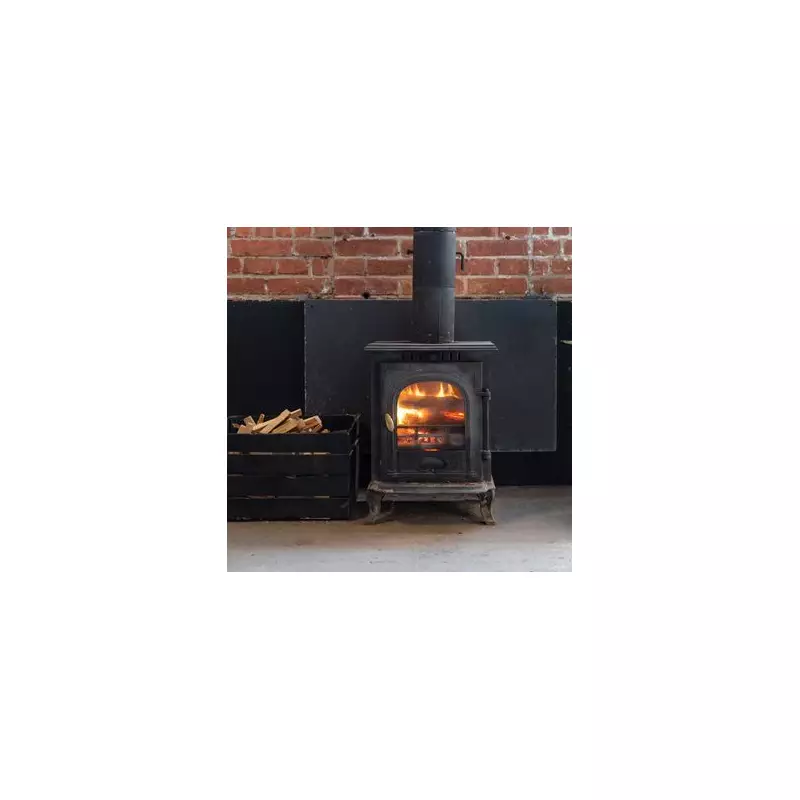
The UK Government has launched a comprehensive consultation proposing significant new regulations for wood-burning stoves, aiming to dramatically reduce harmful emissions and improve public awareness of health risks associated with domestic burning.
Major Reduction in Emission Limits
Central to the proposals is an ambitious plan to reduce the permitted smoke emission limit for new wood burners by a substantial 80%. This would see the current standard of five grams per hour slashed to just one gram per hour for all newly manufactured appliances entering the market.
According to industry data, approximately 70% of stoves tested since 2018 already meet this stricter one-gram threshold, suggesting many manufacturers have been anticipating tighter regulations. However, the new rules would make compliance mandatory across the entire industry.

Mandatory Health Warning Labels
Under the proposed measures, both new wood-burning stoves and wood sold for domestic burning would be required to carry prominent health warning labels. These labels would clearly outline the pollution levels each appliance can produce and detail the potential impact on household health.
For stoves, suggested warning messages include: "Please be aware that this appliance emits air pollution into and around your home which can harm your health." For wood sold for burning, proposed labels would state: "Burning in the home leads to air pollution which has a negative impact on the health of you and your family."
Increased Penalties for Damp Wood Sales
The consultation also proposes significantly higher penalties for fuel suppliers who sell damp wood, which emits substantially more smoke than properly dried wood. Fines would increase from the current £300 to a more substantial £2,000, reflecting the greater environmental and health impacts of burning unsuitable fuel.
Addressing a Major Pollution Source
Domestic burning represents a significant contributor to the UK's air pollution crisis, accounting for approximately one-fifth of fine particulate matter (PM2.5) emissions. This level is nearly equivalent to emissions from road transport, highlighting the scale of the problem.
Research indicates that air pollution from domestic burning contributes to thousands of premature deaths annually in the UK. Currently, about 23% of UK households practice some form of burning, with 12% doing so indoors, according to Environment Agency data. Domestic burning increased by 36% between 2009 and 2020, largely driven by rising wood burning.
Government and Health Perspectives
Air Quality Minister Emma Hardy emphasised the government's commitment to addressing this public health issue, stating: "Dirty air robs people of their health and costs our NHS millions each year to treat lung conditions and asthma. We are determined to clean up our air. By limiting emission levels and introducing new labels as outlined in our consultation, families will be able to make better, healthier choices when heating their homes."
Health Organisations Respond
While welcoming the consultation's acknowledgement of harm caused by domestic burning, health organisations have expressed concerns that the proposals may not go far enough. Jonathan Blades, Head of Policy at Asthma + Lung UK, commented: "The proposals fall well short of what is needed to protect the public from dangerously high levels of emissions. If this government is serious about protecting public health, reducing the amount of PM2.5 we breathe must be a priority."
Larissa Lockwood, Director of Policy and Campaigns at Global Action Plan, offered a critical perspective: "While measures to tighten pollution standards for wood burning stoves and better inform people of the health risks of these products at the point of sale are a good first step, they don't go far enough. A less-polluting stove is like a low-tar cigarette – it's slightly better for your health, but still significantly worse than not using them in the first place."
Broader Context and Future Directions
The consultation's foreword indicates the government has been "considering further measures in this space to further reduce these harmful emissions, particularly in the most densely populated places or where there is evidence of the most significant harms."

Currently, solid fuel appliances like wood-burning stoves must display energy efficiency labels. The new proposals would see health warning labels displayed alongside these existing efficiency ratings, providing consumers with more comprehensive information about both environmental and health impacts.
Environmental campaigners are calling for more ambitious action, including greater support for cleaner heating alternatives and enhanced powers for local authorities to address emissions in their communities. The consultation represents an important step in addressing domestic air pollution, but stakeholders across sectors agree that comprehensive solutions will require ongoing commitment and potentially more stringent measures in the future.