Britain's changing climate is causing a stir in our gardens, with spring-flowering bulbs like tulips and daffodils sprouting weeks ahead of schedule. This premature growth, triggered by unseasonably mild and wet weather, leaves vulnerable shoots exposed to sudden cold snaps. So, what's the best way to safeguard your garden's early risers?
Unusual Solutions for Pesky Invaders
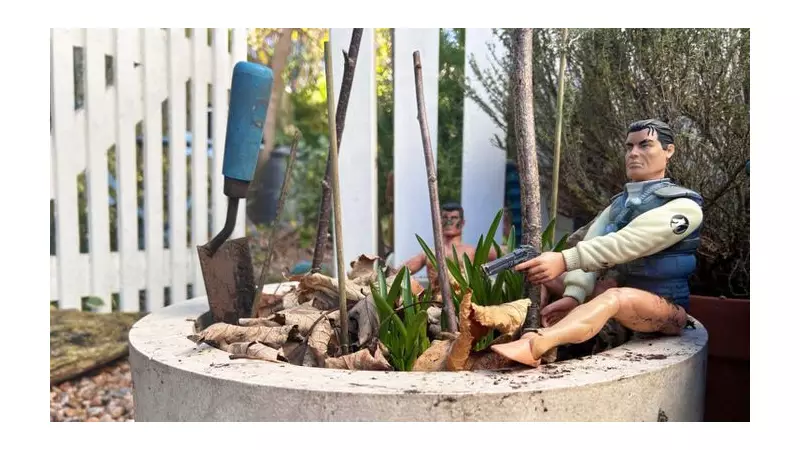
Before the cold even bites, many bulbs face another threat: squirrels and mice. While physical barriers like a lattice of thorny prunings or a palisade of sturdy twigs are effective, some gardeners swear by a more inventive approach. Using old action figures as sentinels in your flower beds may sound eccentric, but it genuinely works to deter rodents. As we head into the festive season, another clever tip is to layer offcuts from your Christmas tree. These evergreen boughs not only help to insulate the soil but also create an unwelcoming environment for pests.
Shielding Early Sprouts from the Cold
While bulbs like snowdrops, crocuses, daffodils, and tulips are resilient, their early foliage needs protection if flower buds rise above the soil. As long as the flower buds remain below ground, they are well protected from the cold. However, if those precious buds have already surfaced, it's time to act. Applying a layer of mulch about five to ten centimetres deep is the best defence. You can use straw, bark chips, compost, or even torn cardboard. This layer acts as an insulating blanket, protecting the ground from dramatic temperature swings.

A quicker, simpler method is to scatter a light layer of fallen leaves over the emerging shoots. This provides immediate protection without the effort of making leafmould, and it will gradually decompose, enriching your soil in the process.
Why Your Early Blooms Matter
Protecting these early starters is about more than just garden aesthetics. Early spring flowers provide vital nectar and pollen for emerging bees and other pollinators at a time when little else is available. The good news is that many bulbs are adaptable, tolerating a range of soil types. They can be planted in borders, under trees, in lawns, or in containers on a balcony or patio, making them a versatile choice for any gardener.
For those looking for ready-made solutions, several products can help. Two 100L bags of Strulch Mulch cost £25.99 on Amazon, offering frost protection and weed reduction. Alternatively, a 120L sack of Laeto Decorative Bark Chippings is £24.99, or a 100L sack of Verve Natural Woodchip Mulch costs £13 at B&Q. To manage fallen leaves, a lightweight Pelle & Sol Garden Rake is now £9.75 on Amazon after a 30% discount. All prices were correct at the time of publication.