While the chilly weather makes outdoor gardening impractical, there is an excellent alternative to keep your green fingers active. Starting seeds indoors during the late winter and spring months not only helps combat the seasonal gloom but also promotes the development of stronger, more resilient plants.
Why Sow Seeds Indoors?
Horticulturist and best-selling author Huw Richards emphasises the benefits of growing from seed. "You get so much more variety and choice if you grow from seed," he explains. This approach offers significant savings compared to purchasing established plants and provides complete transparency about what you are cultivating.
Richards uses a simple analogy: "It's like going to a fast-food restaurant, getting a product that you consume, but you don't really know what's gone into it. But if you get all the primary ingredients and make that same meal yourself, you've got that transparency."

Essential Equipment for Indoor Sowing
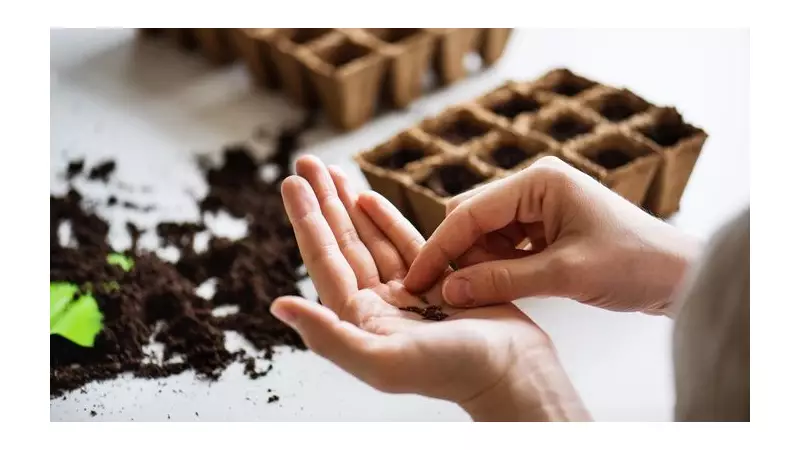
To begin your indoor sowing journey, you will need a few basic items. These include seed trays, which can be compartmentalised or open, along with top-quality multi-purpose peat-free compost. Do not forget the seeds themselves.
Other useful sundries comprise a fine mist sprayer to maintain compost moisture, plant labels, and a permanent waterproof marker pen. According to Richards, successful indoor growing hinges on managing three critical factors: heat, water, and light.
Managing Heat for Germination
Edibles such as chillies and tomatoes are often among the first seeds sown indoors. They require consistent warmth during germination to avoid failure. "Some people put their trays in an airing cupboard that's warm and on the first sign of germination, move them to a sunny windowsill," Richards advises.
Avoiding Overwatering Mistakes
One common error when sowing seeds is overwatering. "The biggest mistake that people make when sowing seeds is overwatering because there's too much water in the compost. It just causes the seeds to rot," warns Richards. He recommends ensuring the compost is damp, similar to a wrung-out sponge.
Providing Adequate Light
Seeds will initially sprout in darkness as they grow towards light sources. Once germination occurs, it is crucial to move the trays to a bright location. This prevents seedlings from becoming leggy and weak.
What to Grow on Your Windowsill
Vegetables for Early Sowing
Chillies, aubergines, bell peppers, and tomatoes can be started indoors from late February. If temperatures remain low, Richards suggests using heat mats, which are easy to roll away and store. "If you start them off too early, they're going to get too big for their modules, cells or pots," he cautions. These plants will need care until they can be transplanted to a polytunnel or greenhouse around May.
Flowers to Brighten Your Home
Flowers like calendula, cosmos, nigella, larkspur, and ammi majus can be sown indoors from February if you use heat mats or a heated propagator. Otherwise, wait until mid-spring when conditions are milder. Richards notes: "These are heat-loving crops from a different part of the world, they're not used to our low temperatures. You can plant them without any bottom heat, but you might only get the odd one pop up, but most will likely fail."
Practical Planting Tips
Always use high-quality, multi-purpose, peat-free compost. Dampen it before filling your seed trays or cells, ensuring it is moist but not waterlogged. Follow the specific instructions on your seed packets for sowing depth and spacing.
Choosing between individual cells or regular seed trays is a matter of personal preference. However, larger seeds such as broad beans and runner beans require extra depth for proper root development.
Once seedlings emerge, rotate the trays daily if placed on a south-facing windowsill to promote even growth. Water with a fine spray when the compost begins to dry out. Transplant seedlings to slightly larger pots once three to four true leaves have appeared—these are the leaves that follow the initial germination leaves.

For plants like radish and beetroot, plant them in clumps with four to five seedlings per planting. Harvest the largest root first, allowing the smaller ones to continue growing. "If you’re after individuals, say, if you’ve two tomatoes per cell and two seedlings appear, you’ll then remove the weakest or the smallest one," says Richards. "Cut it out, don’t pull it out, because they’re really small seedlings and the act of pulling might damage the roots of the other seedling."
The Importance of Patience
Finally, Richards urges gardeners to be patient. "People need to stop rushing. I know they're eager, and that's great, but plants catch up as well. My biggest sowing month is actually May, so you've got loads of time, you can still sow tomatoes in early April and get a crop."
Embracing indoor seed sowing during the colder months sets the stage for a bountiful and healthy garden. With careful attention to heat, water, and light, you can cultivate robust plants ready for transplanting when warmer weather arrives.