Many gardeners across the UK rely on fertilisers to improve soil quality and boost plant health, with a growing number turning to natural alternatives in pursuit of more sustainable practices. However, not all these natural solutions deliver the promised benefits, and some may even create unintended problems in your outdoor space.
The Oats Fertiliser Trend: A Potential Pitfall
Recently, numerous gardening enthusiasts have advocated for scattering oats as a dual-purpose solution: providing essential nutrients to plants while supposedly deterring common garden pests. This method has gained traction through viral social media videos showing oats being mixed with cinnamon and ground into powder for plant application, or steeped with tea to create liquid plant food.
Ben Hilton, founder and editor of The Gardening Fix, has examined this popular approach to determine its actual effectiveness. While acknowledging that oats do contain beneficial nutrients, he highlights a crucial error that gardeners must avoid to prevent unwanted consequences.

Why Raw Oats Present Problems
"Raw (uncooked) oats can be used to add nutrients to the soil and improve soil structure," explains Hilton. "They're a rich source of nitrogen, potassium, and phosphorus, which are vital for plant growth. However, oats would not provide all trace minerals, such as calcium or magnesium."
These trace minerals play critical roles in plant development. Calcium supports cell wall formation and nutrient transport within plants, while magnesium is essential for photosynthesis and overall plant vitality. More importantly, oats represent an unprocessed cereal that hasn't undergone composting, meaning direct application to garden plots carries significant risks.
As any remaining grains break down in the soil, they create an environment conducive to bacterial and fungal development. This decomposition process, combined with the food source itself, "will attract pests and rodents" according to Hilton's expert assessment.
The Cooked Oats Danger: Ringing the Rodent Alarm Bell
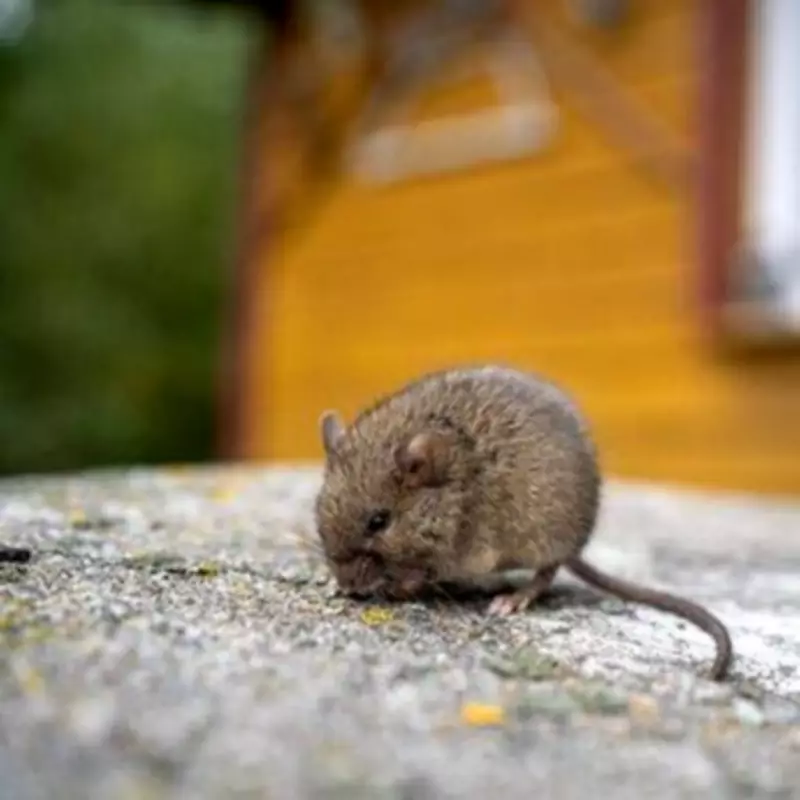
Prepared oats present an even greater concern, potentially acting "like an alarm bell to rodents" in Hilton's vivid description. This effect becomes particularly pronounced when oats have been cooked with milk, sugars, or fats such as butter—common ingredients in human food preparation that dramatically increase their appeal to pests.
The combination of readily available nutrients and attractive scents creates an irresistible invitation for rats, mice, and other small rodents to visit your garden. Once established, these pests can cause extensive damage to plants, stored produce, and even property structures.
Safe Composting Practices with Oats
So, does this mean gardeners should completely avoid using oats in their gardening practices? Not necessarily—the key lies in proper application methods. Uncooked oats can indeed be added to compost heaps where they make a "great addition" according to Hilton, breaking down safely within the controlled composting environment.
However, Hilton offers a crucial warning regarding cooked food waste: "I would never recommend composting any cooked foods. The likelihood of attracting rats, mice, or other small rodents is extremely high, especially if the oats were prepared with milk or sugar."
This distinction between raw and cooked materials represents an essential consideration for gardeners seeking to maintain healthy, pest-free outdoor spaces while utilising natural fertilisation methods.
Alternative Natural Fertiliser Approaches
For those committed to natural gardening approaches, several alternatives exist that provide similar nutritional benefits without the rodent-attraction risks:
- Well-composted kitchen vegetable scraps (excluding cooked foods)
- Composted manure from herbivorous animals
- Leaf mould created from decomposed autumn leaves
- Comfrey tea or nettle tea fertilisers
- Properly processed green waste compost
These alternatives undergo proper decomposition processes that minimise pest attraction while delivering valuable nutrients to garden soil. By selecting appropriate materials and following established composting guidelines, gardeners can support plant health without inadvertently creating rodent-friendly environments.

As natural gardening continues to grow in popularity, understanding both the benefits and potential drawbacks of various methods becomes increasingly important. While oats contain valuable plant nutrients, their application requires careful consideration to avoid transforming your garden into an unintended rodent restaurant.