Croydon Crowned England's Fly-Tipping Capital with Over 53,000 Incidents
While fly-tipping complaints are common across the West Midlands, the national hotspot for illegal dumping is actually over 100 miles away in south London. Croydon has been identified as England's fly-tipping capital, with a staggering 53,268 incidents reported during the 2024-2025 period according to Department for Environment, Food and Rural Affairs data.
Residents Describe Daily Struggle with Reappearing Waste
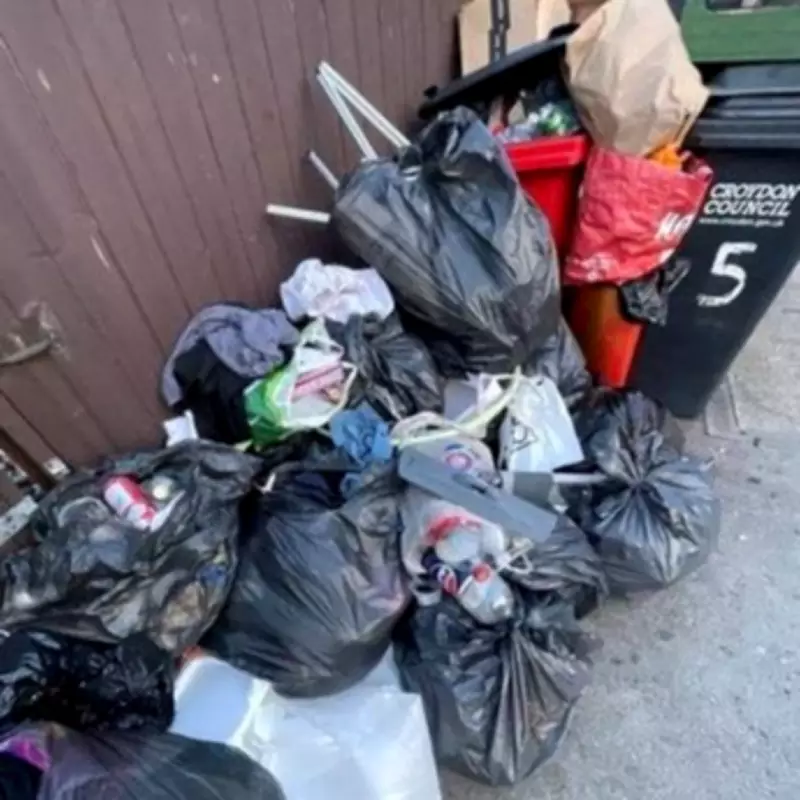
Local residents report that illegal dumps frequently reappear within 24 hours of being cleared, leaving streets littered with mattresses, refrigerators, furniture and black bags. Graham Mitchell, a 68-year-old retired tax manager from Thornton Heath, claims to be the borough's most prolific reporter of fly-tips, having submitted approximately 18,000 reports through the council's mobile application.
"I report every day and the average is around 45-46 fly-tips every day," Mitchell explained. "It has been getting worse. This is where I live and most of us want clean streets. People with buggies and disabled people struggle to get around."

Mitchell expressed frustration that the problem has become normalized in the community, with only a small minority of residents responsible for the dumping that affects everyone. He believes the council needs to implement stronger enforcement measures, noting that effectively there has been no enforcement for the past four years.
Community Campaigns and Council Response
Tony Hooker, a 57-year-old resident of 23 years, established the campaign group Litter Free Norbury after observing a significant increase in discarded waste during the pandemic. The group has focused on community engagement to encourage reporting, which Hooker suggests contributes to Croydon's elevated statistics compared to other authorities.
"This is increasingly becoming a full-time job," Hooker stated. "There are hotspots which are fly-tips on a daily basis. The council have recruited officers and they are starting to issue Penalty Charge Notices, but there is such a long way to go."
Fellow campaigner Guillaume Raillard, 47, who works as a software engineering manager, described finding approximately six fly-tips daily when leaving his house. "It is very frustrating because it really makes the area look bad," he said. "If an area looks bad it doesn't look safe. When you report a fly-tip it gets removed, but by the next day it is back again."
Council Enforcement and Financial Costs
Croydon Council spends approximately £1 million annually to address fly-tipping issues. A council spokesperson acknowledged the national rise in fly-tipping incidents while noting improvements in reporting methods that now include smaller items like discarded black sacks.
The council has implemented several measures to combat the problem:
- A zero-tolerance enforcement approach with a dedicated team targeting known hotspots
- Increased patrols and evidence-gathering operations
- Ninety percent of reported fly-tips now cleared within 48 hours
- Working with residents and businesses on proper waste disposal education
"Tackling fly-tipping means cleaning it up quickly, holding people to account, and helping prevent it from happening in the first place," the spokesperson emphasized.
However, residents argue that the council's efficiency in removing waste quickly may inadvertently encourage more dumping, as offenders believe they can abandon items without consequence. Both Mitchell and Raillard stressed the need for stronger deterrents and consistent enforcement to address what has become a persistent problem affecting community safety and quality of life.