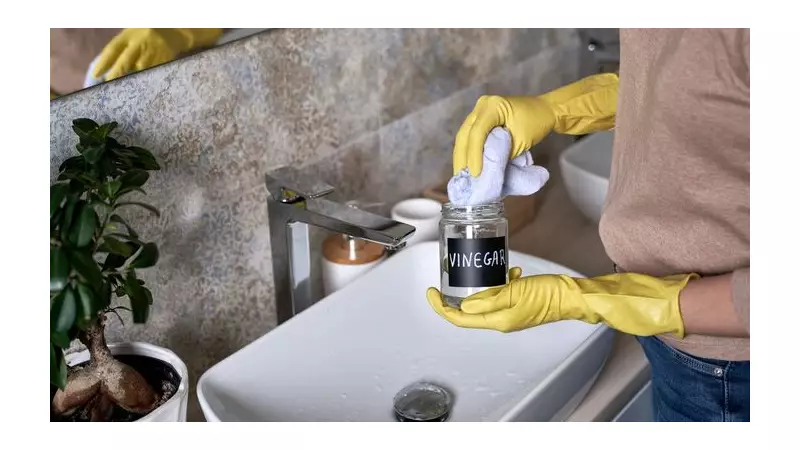
Homeowners across the UK are engaged in a constant battle against unsightly yellow marks that stubbornly appear in toilets, sinks, and bathtubs. Despite thorough scrubbing, these persistent stains often remain, leaving bathrooms looking less than pristine.
The Real Culprit Behind the Stains
Contrary to popular belief, these yellow or brown discolorations are typically not a sign of poor hygiene. According to bathroom and kitchen specialists Plumbworld, the marks are usually caused by minerals present in tap water.
In regions with hard water, which contains high levels of calcium and magnesium, limescale readily forms. This limescale then acts like a magnet, trapping soap scum, tiny particles of metal, and traces of iron. As these combined deposits dry out, they leave behind the familiar, tough-to-shift stains.

A spokesperson for Plumbworld clarified the common misconception, stating: "Many people think yellow stains are a sign that their bathroom isn’t clean. In reality, these marks form naturally when minerals in hard water react with air and cleaning agents."
Where Stains Appear and Why Ignoring Them is a Mistake
The location of the stains offers a clue to their origin. In toilets, discolouration frequently appears around the rim or at the water line in the bowl. In sinks and baths, stains tend to gather near plugholes and taps. Shower screens can develop a yellow tinge if water droplets are left to evaporate naturally.
While the stains are a natural occurrence, leaving them untreated can lead to bigger problems. The longer the mineral build-up remains, the harder it becomes to remove. Furthermore, this crusty layer can harbour bacteria and may eventually cause unpleasant odours.
The experts advocate for a proactive approach: "Regular light cleaning is the best way to stay ahead of it - a few minutes each week can save hours of scrubbing later."
Effective Removal and Prevention Strategies
For a safe and effective clean, Plumbworld recommends a simple, chemical-free home remedy using white vinegar and bicarbonate of soda.
- For toilets: Pour a cup of vinegar into the bowl, followed by 2-3 tablespoons of bicarbonate of soda. Allow the mixture to fizz for 10 minutes (or up to an hour for severe stains), then scrub and flush.
- For sinks, tiles, and bathtubs: Create a paste from the two ingredients, apply it with a soft sponge, leave for 15 minutes, then rinse thoroughly with warm water.
The team cautions against the frequent use of bleach, which can damage enamel or gloss coatings and ironically make surfaces more susceptible to future staining. For exceptionally tough marks, a specialist limescale remover may be necessary.
To stop the stains from coming back, incorporate simple habits into your routine. Wiping down wet surfaces after each use prevents minerals from drying on them. A weekly rinse with a diluted vinegar solution can help control limescale build-up. In hard water areas, installing a tap filter or a small water softener can dramatically reduce the problem at its source.
By understanding the cause and adopting these straightforward steps, households can efficiently tackle yellow stains and maintain a fresh, clean bathroom with minimal effort.