It has been twelve months since Slade Road in Stockland Green, Birmingham, gained national notoriety as 'Britain's roughest street'. The label, stemming from widespread reports of crime, street drinking, and neglected properties, painted a stark picture of urban decay. Residents at the time described living in fear, citing incidents of stabbings, rampant drug use, and prostitution.
A Year of Mixed Progress and Persistent Challenges
Now, a year on, the situation on Slade Road presents a complex and evolving landscape. While local authorities have implemented various initiatives aimed at tackling antisocial behaviour and improving the street's general upkeep, significant concerns remain deeply entrenched among the community.
Fly-Tipping and Parking: The Enduring Problems
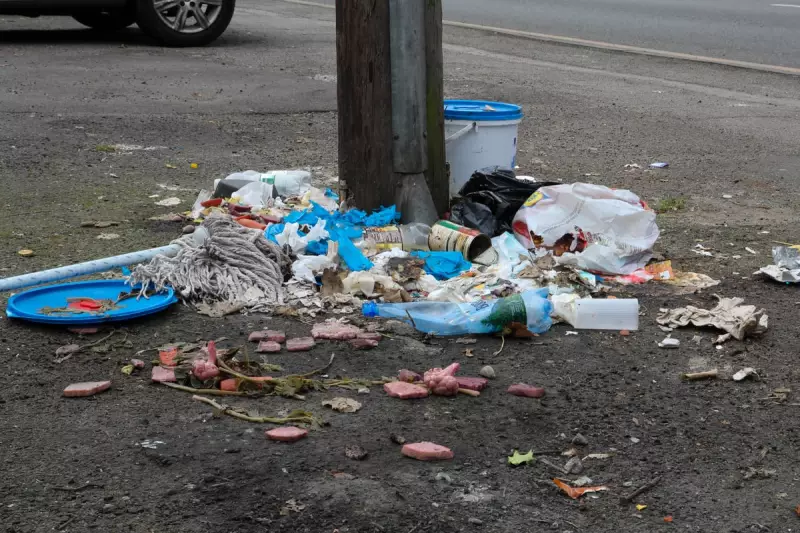
One of the most visible and persistent issues is the unbelievable level of fly-tipping. Recent observations reveal alleyways and areas still filled with discarded rubbish, a stark reminder of the environmental challenges facing the street. Alongside this, parking has emerged as a primary concern for residents.

One local resident highlighted the ongoing struggle, stating, "The main problem is the parking on Slade Road, it can be absolutely ridiculous. There’s no room anyway, prostitution is another issue. There’s all sorts of issues - but it is just another road like much of Birmingham. The main issue is the parking; nothing can move."
Community Response and Official Efforts
In response to the crisis, official bodies have been monitoring conditions more closely, and local community groups continue to gather, discussing strategies to enhance safety and neighbourhood cohesion. These efforts represent a concerted push to address the deep-seated problems that earned Slade Road its infamous reputation.
Reflecting on the Past: The Legacy of 'Britain's Roughest Street'
The original reports described Slade Road as a hotbed of violence and drugs, a street that had spiralled into decline over several years. Residents recounted being too frightened to go out after dark due to numerous attacks, street robberies, and open drug dealing, even in broad daylight. The presence of cut-price sex workers and 'zombiefied' addicts roaming the streets was a daily reality, forcing parents to escort children directly to school gates and business owners to seek protection when carrying their takings.
Many felt the problem had worsened over the preceding decade, with a noticeable absence of police presence, cementing the street's notorious label.
A Complex Reputation and the Road Ahead
While some incremental improvements may be noted in certain areas, the street's reputation remains a complex and challenging burden for its residents. The issues of fly-tipping, problematic parking, and prostitution persist, illustrating the difficulty of enacting rapid, comprehensive change in areas facing multifaceted social and environmental problems.
The story of Slade Road is one of a community grappling with a harsh national spotlight and working, alongside authorities, to forge a better future amidst enduring difficulties.