The internet is awash with gardening tips, tricks, and supposed genius hacks, but not all advice comes from qualified experts. In fact, some widely shared ideas can be ineffective, wasteful, or even detrimental to your garden's health. It's crucial to separate fact from fiction to ensure your green space thrives.
The Banana Peel Fertiliser Myth
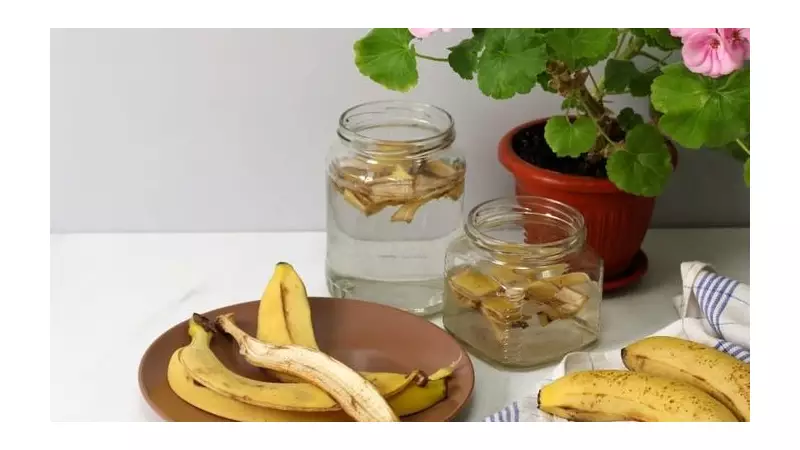
One prevalent hack involves steeping banana peels in water to create a potassium-rich fertiliser tea, often promoted in countless online videos. However, garden professionals like Robin Antill from 1st Choice Leisure Buildings caution that there is scant evidence any significant nutrients, including potassium, are released into the water through this method.
To make matters worse, the sugar content in the fruit can attract unwanted pests to your garden. Instead of brewing an ineffective concoction, a far better approach is to add banana peels directly to your compost heap. Here, they will decompose slowly, contributing valuable fibre, potassium, and other nutrients to create a rich, balanced compost for your soil.

Four More Gardening Hacks to Steer Clear Of
Robin Antill highlights four additional common gardening practices that are best avoided, along with practical alternatives to foster a healthier garden environment.
1. Using Vinegar as a Weed Killer
Vinegar, due to its acetic acid content, is often touted as a natural weed killer because it burns foliage on contact. However, this method only affects the leaves it touches and does not kill the roots, meaning weeds are likely to sprout back quickly. Moreover, vinegar can damage nearby desirable plants and alter soil pH, reducing fertility and making it harder for your plants to grow.
What to do instead: For effective weed control, pull weeds out by hand, ensuring you remove the roots completely. Additionally, planting ground-covering plants can help suppress weed growth by reducing available space and light in bare soil areas.
2. Sprinkling Coffee Grounds Directly on Soil
Coffee grounds are frequently hailed as a miracle fertiliser, rich in nitrogen, phosphorus, potassium, and micronutrients. Yet, fresh coffee grounds are acidic and can interfere with nitrogen levels in the soil. Applying too thick a layer can also create a water-resistant barrier, hindering proper water absorption and potentially stunting plant growth.
What to do instead: Add coffee grounds to your compost bin where they can decompose properly. When balanced with 'brown' materials like cardboard or dry leaves, these nitrogen-rich 'green' grounds help neutralise overly alkaline compost, attract beneficial worms and microbes, and speed up the decomposition process.
3. Adding Gravel to the Bottom of Plant Pots
Lining the bottom of plant pots with gravel is a common recommendation to improve drainage. While it can work if done carefully, using too much gravel often has the opposite effect. Water may accumulate above the gravel layer rather than draining freely, causing roots to sit in moisture for extended periods. This increases the risk of fungal diseases and root rot, compromising plant health.
What to do instead: Even pots with drainage holes can retain water at the bottom. To ensure proper drainage, incorporate materials into your compost that promote free water circulation. Options include horticultural grit and sharp sand to improve soil structure, perlite to enhance airflow around roots, and vermiculite to balance moisture levels and prevent waterlogging.
4. Sealing Sheds Completely to Prevent Dampness
Many gardeners advise sealing sheds and garden rooms tightly by filling cracks and gaps to keep dampness out. While it's important to monitor and repair leaks in roofs and walls, failing to provide adequate ventilation can trap condensation inside. This trapped moisture can lead to mould growth and rust, damaging stored items and the structure itself.
What to do instead: Strike a balance between weatherproofing and ventilation. Repair any leaks promptly, but also install small air vents to allow humid air to escape. This approach ensures the interior remains dry without the risk of condensation buildup, especially during periods when it's not feasible to leave doors open.

By avoiding these common pitfalls and adopting expert-recommended practices, gardeners can cultivate more resilient and flourishing outdoor spaces. Always consider the source of gardening advice and opt for methods backed by professional experience to achieve the best results.