Hightown's Dune Habitat Enhancement Programme Commences
Green Sefton, the environmental service of Sefton Council, is initiating a crucial winter works programme at Hightown to maintain and enhance the health of its protected dune habitats. Starting next week, core staff and contractors will be on site, focusing on conservation efforts that have already shown promising results in neighbouring areas.
Protecting Key Species and Native Flora
Although smaller than the dune system north of the River Alt, Hightown's habitats are ecologically significant, supporting key species such as the Natterjack Toad, Sand Lizard, and numerous invertebrates and plants characteristic of a healthy dune ecosystem. The management work directly benefits these specialised creatures by creating favourable conditions for their survival and proliferation.
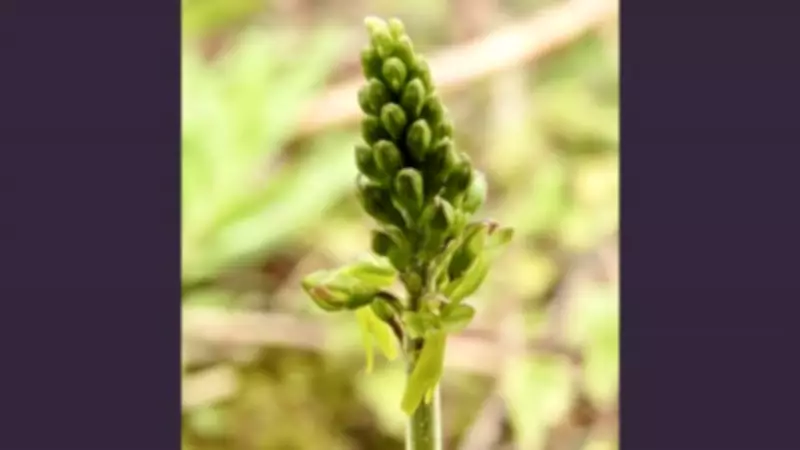
Recent efforts have already yielded positive outcomes, with last winter's clearance of vegetation-choked slacks leading to an increase in orchid species, including:

- Common Twayblade
- Southern Marsh Orchid
- Pyramidal Orchid
These botanical successes demonstrate the tangible benefits of targeted habitat management.
Combatting Invasive Vegetation Spread
The accelerated growth of scrub vegetation in dune systems is attributed to both climate change and natural ecological succession. Without active management, this process would lead to the loss of specialised species that depend on open dune landscapes. Contractors will use machinery to excavate invasive Sea Buckthorn and Grey Poplar, while staff will employ chainsaws to clear these non-native plants, mirroring successful techniques used in previous winters.
This work is essential because if left unchecked, adaptive generalist species would replace habitat-specific ones, resulting in diminished biodiversity. As one conservationist noted, "Great news if you're a Woodpigeon or Magpie, not so good if you're a Natterjack or Sand Lizard."
Community Involvement and Future Benefits
Local volunteers from the Hightown Beach Clean Group have already been instrumental in removing invasive species alongside Green Sefton teams. Additionally, November's mowing of meadowland at Hightown – the first such activity in many years – is expected to boost native wildflowers and attract more pollinators to the area.
The geographical isolation created by the Alt estuary makes maintaining Hightown's existing habitat particularly important, as it prevents key species from migrating from larger northern dune systems.
Visitor Guidance During Works
Residents and visitors to Hightown dunes are advised to be mindful of the conservation work taking place, especially in areas south of Blundellsands Sailing Club towards the northern boundary of West Lancashire Golf Club. Keeping dogs under control and away from working contractors and staff is crucial for both safety and the success of the operations.
While the winter works may appear disruptive temporarily, the summer months will reveal a rejuvenated habitat with improved biodiversity and a healthier dune landscape. This proactive approach ensures that Sefton's beautiful coastline remains a thriving ecosystem for generations to come.