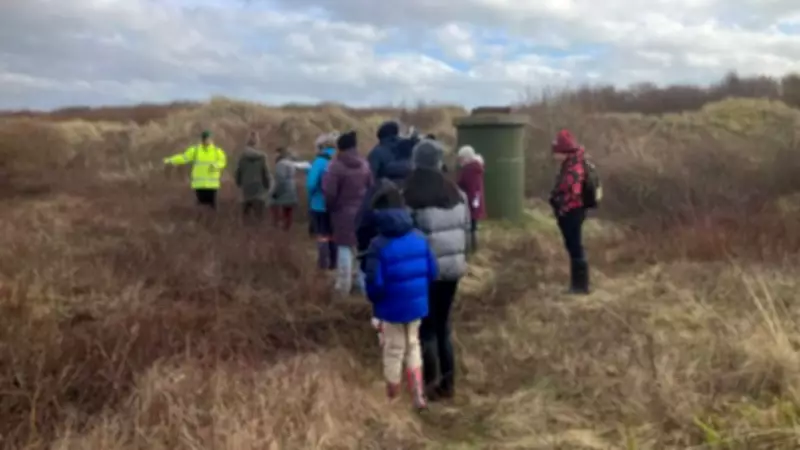
The first guided walk of the year along the frontal dunes at Ainsdale proved to be a marvellous occasion, drawing visitors of all ages to participate in the inaugural "Petalwort Safari." Led by dedicated community ranger Jordan Scott, this event focused on searching for one of the coast's most enigmatic residents: the Petalwort plant.
Understanding the Petalwort Plant
Petalwort is a minuscule non-vascular plant that thrives in sandy areas with light vegetation, making it a prime indicator of dune health. However, its presence has become increasingly uncertain due to environmental challenges.
Impact of Drought Conditions
The unprecedented drought conditions of 2025 resulted in no records of Petalwort in its favoured coastal habitats. This plant relies on moisture and films of water, such as dew or light rain, to spread its spores. Consequently, prolonged drought has proven devastating to the species, highlighting the fragility of these ecosystems.

Given its tiny size—reaching a maximum of two millimetres across—Petalwort is easily overlooked. The absence of sightings in 2025 raised significant concerns among conservationists. To address this, the guided walks encourage visitors to follow regular paths through favoured dune sites. This practice helps keep vegetation low in key areas, creating better conditions for Petalwort to thrive.
Conservation Efforts and Volunteer Work
Ranger-led strimming and clearance of invasive species by the Buckthorn Bashers volunteer group have been instrumental in maintaining the Petalwort's ideal habitat. These dedicated volunteers meet most Thursday afternoons during winter at the Sands Lake car park and are always seeking new members to join their efforts.
Monthly Guided Walks Planned
Jordan Scott will be staging monthly guided walks through the site throughout the year, each lasting approximately 90 minutes to two hours. These easy walks will explore areas of previous Petalwort records and are likely to encounter other treasures within the dunes as the seasons progress.
The route also passes through slack habitats that have been rejuvenated by winter work conducted by Green Sefton. Contractors were brought in to dig out areas previously choked by scrub vegetation, resulting in much healthier environments. These revitalised areas will benefit other key species on the dune system, including Natterjack Toads, Sand Lizards, and a host of specialised dune flora.
Community Engagement and Information
For more details about Green Sefton's monthly "Petalwort Safaris," interested individuals can email jordan.scott@sefton.gov.uk. Further information will also be shared on Green Sefton's Facebook and Twitter accounts, ensuring the community stays informed about upcoming events and conservation updates.
Addressing Environmental Concerns
Unfortunately, the event highlighted a pressing issue: the amount of uncollected dog fouling encountered while accessing the dunes north of Shore Road at Ainsdale was appalling. Dog walkers are welcome to enjoy the protected dune system, provided they keep their pets under control, avoid disturbing habitats or species, and pick up all fouling.
Those who fail to comply face a £75 fixed penalty notice. Accumulated fouling not only damages this fragile habitat but also presents real health risks for other visitors who treat the Local Nature Reserve with respect. The message is clear: if you cannot adhere to these guidelines, please refrain from visiting.
John Dempsey, who works for Green Sefton, emphasises the importance of these conservation efforts. Green Sefton is a Sefton Council service that integrates Coast & Countryside, Parks & Greenspaces, Flooding & Coastal Erosion, Risk Management, and Grounds Maintenance teams. This joined-up approach ensures the vital management, development, and oversight of Sefton's beautiful coastline, parks, and green spaces.