Wicken Fen's Highland Cow Speedwell Celebrates 20th Birthday Milestone
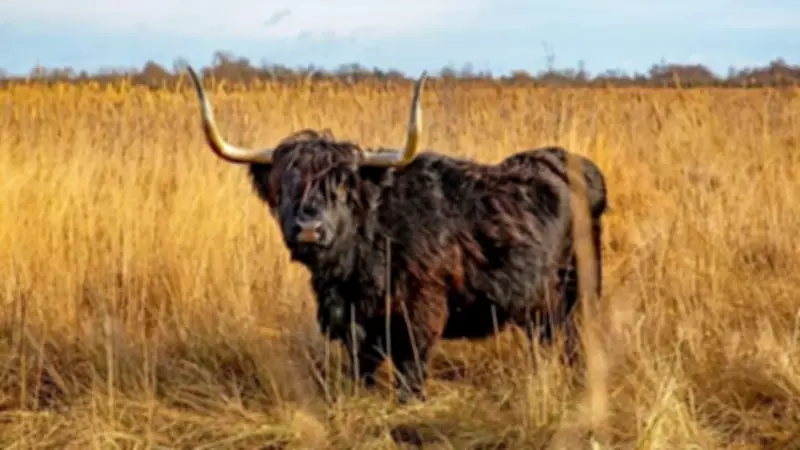
One of the first calves born on Wicken Fen in Cambridgeshire has reached a remarkable milestone, turning 20 years old this weekend. Speedwell, a black, semi-wild Highland cow who lives outdoors year-round, is part of the original herd introduced to the National Trust nature reserve as part of an innovative conservation initiative two decades ago.
A Life Lived Freely on the Fen
Born in 2006, Speedwell was named after the delicate blue wildflower that thrives in open grassland and fenland environments. She has spent her entire existence living freely across the fen, enduring East Anglian winters, summer heatwaves, and every seasonal variation in between. With an innate understanding of the landscape, she knows precisely where to seek shelter from strong winds, locate the sweetest grazing spots each season, and find shade during the peak of summer.
Speedwell gave birth to her first and only calf, a red cow named Teasel, and the mother-daughter pair have remained inseparable, grazing side by side on Verrall’s Fen. This remote section forms part of the expansive 2,000-acre nature reserve, providing a vast, natural habitat for the animals.

Memories from the Livestock Manager
Carol Laidlaw, Wicken Fen’s livestock manager, recalls Speedwell’s early moments vividly. “I can still picture the day she was born,” Laidlaw says. “At just a few minutes old, she was still very damp and trying very hard to master this standing up business! I was there when she had Teasel too. To see her reach 20 is very special.”
Conservation Through Grazing
Speedwell is one of 47 Highland cattle cared for by the National Trust ranger team and dedicated volunteers. The team monitors the herd’s health throughout the year while allowing them to live as naturally as possible. Introduced in 2005, these cattle were carefully selected for their:
- Hardiness in challenging conditions
- Placid temperament
- Ability to thrive in wetland environments
Their grazing activities play a crucial role in shaping the developing vegetation across the fen landscape. By keeping areas open, they prevent thick woodland from shading out wetland and grassland plants, enabling diverse habitats to establish.
Replicating Ancient Ecosystems
Alongside the reserve’s Koniks—small horses introduced in 2001—the cattle roam freely across large sections of the nature reserve. Together, these grazing animals replicate the ecological role once performed by ancient wild herbivores such as the aurochs, the wild ancestors of modern cattle. Archaeological finds, including aurochs skulls discovered on the Fen, underscore this historical connection.
Alan Kell, Wicken Fen’s countryside manager, explains the importance of this approach: “Without grazing animals, the open fenland would gradually become dominated by dense bushes and woodland. Instead, the cattle and ponies maintain a rich mosaic of open grassland, pools and reedbeds.”
Creating Ideal Conditions for Wildlife
This carefully managed grazing creates perfect conditions for a variety of fen flowers, including beautiful orchids, and supports a diverse range of insects. Some nationally rare moth species, found in few other locations, thrive here. The habitat also benefits rare ground-nesting birds such as:
- Bittern
- Crane
- Marsh harrier
The grazing project forms an integral part of the Wider Wicken Fen Vision, a 100-year conservation journey launched in 1999. This ambitious initiative aims to expand the reserve and restore fenland habitat on a landscape scale, benefiting both wildlife and visitors.
Longevity Reflecting Success
The impressive lifespan of Wicken’s livestock underscores the success of this conservation strategy. One Konik named Tim previously lived to 32 years, while other animals currently in their late 20s share the same areas of the Fen as Speedwell and Teasel.

Visitors to Wicken Fen may occasionally glimpse these remarkable cattle during one of the reserve’s popular boat trips, which operate regularly until the end of October, weather permitting. This unique opportunity allows people to witness conservation in action while enjoying the natural beauty of this protected landscape.