British Gas has issued an urgent warning to households across the United Kingdom, advising them to set their thermostats to a specific temperature to prevent catastrophic damage as a severe winter storm approaches.
Storm Goretti Brings Deep Freeze and Snow
The national alert comes ahead of Storm Goretti, which is forecast to sweep across the country from Thursday evening, January 8. The storm is expected to hit its peak on Friday, January 9, bringing with it a dangerous combination of heavy snow, ice, and plummeting temperatures. Forecasters predict up to 20 centimetres of snow in some areas, alongside widespread ice warnings. Temperatures could plunge as low as -12.5°C, creating a significant risk to property and infrastructure.
The Critical Thermostat Setting to Prevent Burst Pipes
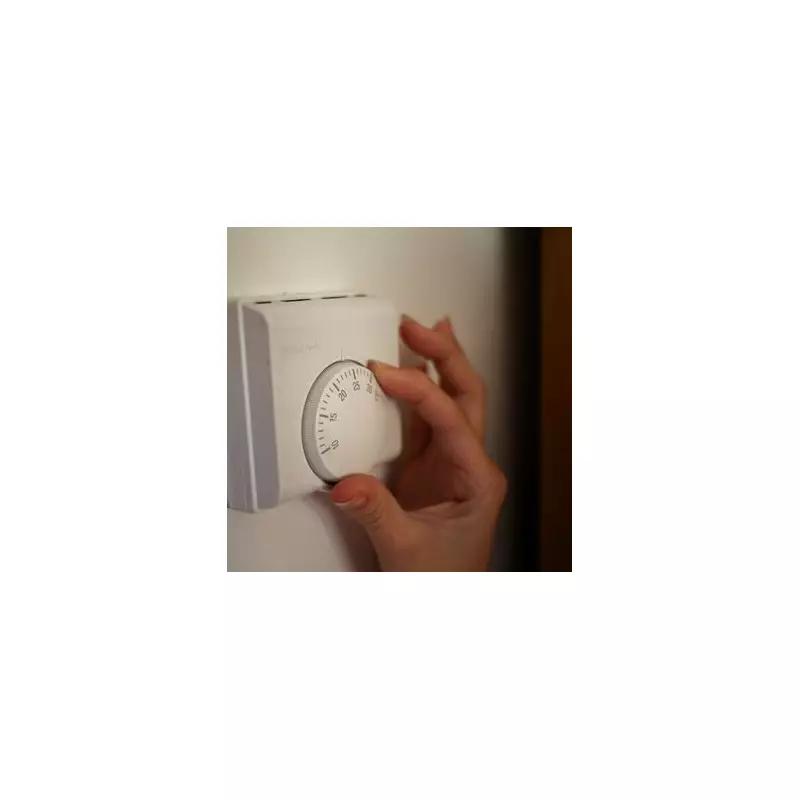
The primary concern for the energy provider is the risk of water pipes freezing and potentially bursting inside homes. To mitigate this, British Gas is insisting that residents keep their heating on a low setting even if they are going out. The recommended minimum thermostat setting is 7°C.

A spokesperson for British Gas explained: “When it’s frosty outside, you need to make sure it doesn’t get too cold inside to stop your pipes from freezing. We recommend keeping your thermostat set to at least 7°C - even if you’re not at home.”
The company also provided additional simple tips to improve heat circulation around vulnerable pipes:
- Open cupboard doors where pipes or tanks are enclosed to allow warmer air to circulate.
- Keep windows firmly closed.
- Seal draughty edges and use draught excluders on doors to block cold breezes.
What to Do If Your Heating Fails
With the extreme weather likely to strain heating systems, British Gas has also shared crucial advice for homeowners who may encounter problems. Joanna Flowers, a British Gas service and repair engineer, urged people not to panic if their heating fails during the cold snap.
“Check all the basics, check for frozen pipes, check for a burst pipe, check your boiler settings,” she advised. A key step is to examine the boiler's pressure gauge. “Look at the pressure gauge on the front of your boiler, it should sit between 1 and 1.5. If it’s below 1 bar, the pressure is too low and the system needs re‑pressurising.”
This proactive guidance aims to help people avoid expensive emergency repairs and significant water damage during what is predicted to be one of the coldest nights of the winter so far. Ensuring a constant low level of heat is a cost-effective measure compared to the disruption and cost of dealing with burst pipes and subsequent repairs.