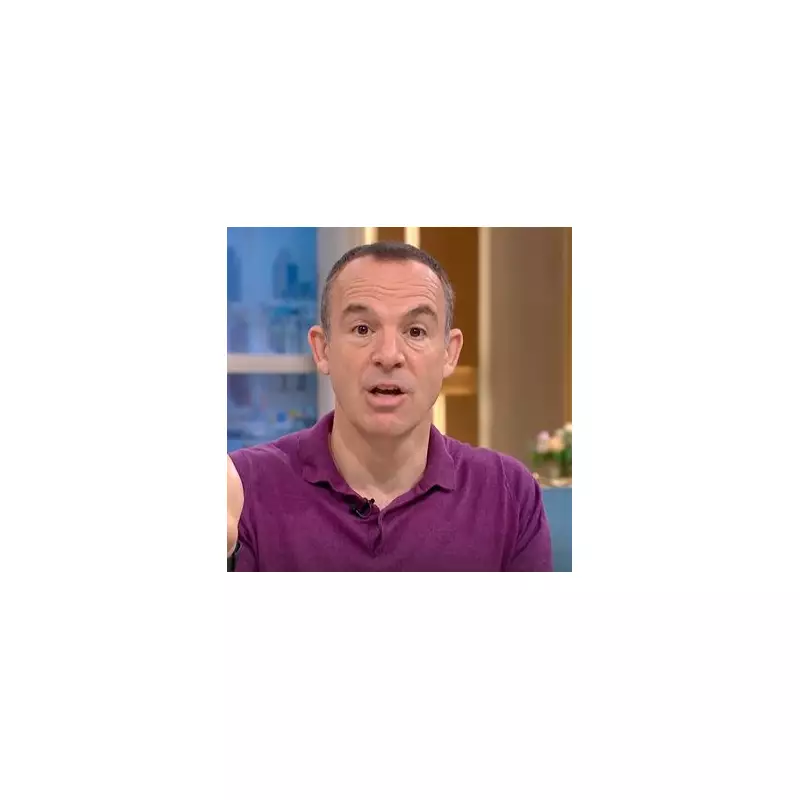
Consumer champion Martin Lewis has delivered a welcome forecast for UK households, predicting a significant reduction in energy bills from the start of April. The Money Saving Expert appeared on ITV's Good Morning Britain on January 12 to break down the impending changes.
The April Price Cap Prediction
Lewis stated he is expecting the Ofgem energy price cap to fall by around seven per cent in April. This decrease is in line with current wholesale energy rates. The prediction comes after Chancellor Rachel Reeves announced in the November 2025 Autumn Budget that the government planned to slash an average of £150 a year from household energy bills from April 1.
This government reduction stems from two key factors: the end of the Energy Company Obligation (ECO) scheme in March, and a cut to the amount households pay towards the Renewables Obligation (RO) scheme through their bills. "£150 would have been about eight per cent, but nearly all of that will actually happen in April," Lewis explained, confirming his seven per cent forecast captures the bulk of the promised saving.

Is Now the Time to Fix Your Energy Tariff?
A critical question for millions, posed by presenter Susanna Reid, was whether consumers should lock into a fixed-rate deal now. Lewis provided clear guidance, confirming that every major energy firm will be passing on the full reduction to new fixes, with most implementing the change on April 1.
He revealed that the cheapest fixed tariffs available are currently around 15 per cent lower than the projected April price cap. Crucially, he noted that when the cap falls in April, the price of these fixes is also expected to drop by roughly seven per cent. "The differential between the price cap and the cheapest fix will stay at around 15 per cent," Lewis said, adding that the cheapest fixes may become even more competitive.
One Crucial Warning for Consumers
While the outlook is broadly positive, Lewis issued one specific caution. He highlighted that a few very small energy firms that were not part of the government's ECO scheme may only pass on a portion of the savings—around £90 instead of the full £150—to their customers on fixed deals.
His final advice was emphatic. Urging households not to remain on the variable default tariff, which he humorously labelled "pants," Lewis recommended: "What should you be doing [is] on a couple of comparison sites, get yourself the cheapest fix, or another cheaper tariff? Get off the pants, cap!" His message is clear: with prices set to fall, proactive consumers can secure substantial long-term savings by switching away from the standard variable rate.