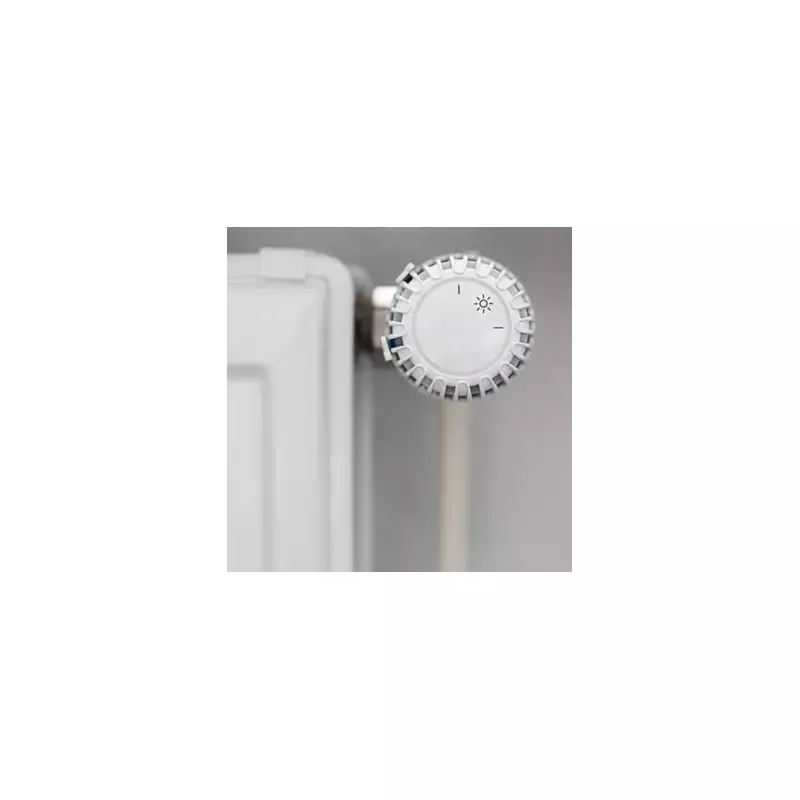
Households across the UK are being advised to adopt a simple '30cm rule' to improve their heating efficiency and reduce soaring energy costs. The guidance, which comes as many face high bills after the Christmas period, states that furniture should be kept at least 30 centimetres away from radiators to allow hot air to circulate properly.
The High Cost of Blocked Radiators
According to Chad Bragg, the chief technical officer at insulation specialist SuperFOIL, a significant amount of heat is wasted when radiators are obstructed. Poor positioning can lead to a staggering 25% loss in heating efficiency, he explained. Many people are unaware of how crucial proper airflow is for a radiator's performance.
"That's an enormous amount of wasted heat, and it's exactly why it's vital to make sure your radiators have some breathing room before you put the heating on," Mr Bragg stated. He emphasised that radiators blocked by furniture, even slightly, force the heating system to consume more energy to achieve the same level of warmth.

Essential Annual Maintenance
Beyond the 30cm rule, Mr Bragg highlighted another critical but simple task for maintaining an efficient heating system: bleeding radiators. Over time, air pockets can become trapped inside, preventing hot water from flowing correctly. This makes the boiler work harder.
"Releasing the air once a year helps to keep everything running efficiently," he advised. This job requires only a basic radiator key and can be done easily at home. Performing this annual maintenance can reduce running costs and help keep the entire heating system in good working order.
Sealing Gaps and Smart Thermostat Use
Draughts are another major enemy of an energy-efficient home. These currents of cold air, which often enter through gaps around windows and doors, can drastically lower a room's temperature. Mr Bragg recommends affordable solutions like adding self-adhesive foam tape to window frames and using draught excluders at the bottom of external doors.
For those with smart thermostats, he suggests using timers to schedule heating for specific times of day. It is also important to identify a preferred cut-off temperature to avoid unnecessarily overheating the home. "Little measures like that can help you to avoid small, costly mistakes like forgetting to switch off the heating," said Mr Bragg, while ensuring the house is warm when needed.
By combining these straightforward steps—keeping furniture clear, bleeding radiators annually, and sealing draughts—households can make meaningful savings on their energy bills without compromising on comfort.