Energy Experts Warn: Turning Radiators Off Could Increase Your Heating Bills
With energy prices remaining stubbornly high across the UK, households are actively searching for practical methods to reduce their heating expenditure as winter approaches. One commonly adopted strategy involves switching off radiators in rooms that see infrequent use, such as spare bedrooms or guest areas. However, energy specialists at Your NRG are issuing a crucial warning that this well-intentioned approach might actually lead to higher energy consumption and increased bills in many contemporary homes.
The Hidden Impact on Modern Heating Systems
"It is a very understandable instinct to switch radiators off in spare rooms, but this can lead to the boiler working harder and using more energy," the company stated. The explanation lies in the design of modern central heating systems, which are engineered to function optimally with water circulating continuously through the entire network of pipes and radiators.
When radiators are completely turned off, this disrupts the intended hydraulic flow within the system. The boiler must then operate for extended periods and expend additional energy to achieve the desired thermostat temperature, as it struggles against an imbalanced circuit. This counterproductive effect means that what seems like a straightforward saving measure could inadvertently become a source of financial drain.

Why Boiler Type Makes a Critical Difference
The impact of deactivating radiators is heavily dependent on the age and type of boiler installed in a property. For older, non-condensing boilers, which are generally less efficient by design, turning off radiators in unused spaces may indeed result in modest energy savings. These legacy systems do not rely as heavily on balanced circulation for peak performance.
However, the majority of UK homes now feature modern condensing boilers, which represent a significant technological advancement. These units achieve maximum efficiency when heat is distributed evenly across all radiators at lower flow temperatures. "In homes with modern condensing boilers, allowing water to circulate through all radiators keeps the system balanced. When radiators are turned off in some rooms, the reduced circulation can cause the boiler to cycle more frequently and burn more fuel to achieve the same temperature. This is where bills can increase instead of decrease," the experts elaborated.
Smart Adjustments Instead of Complete Shutdown
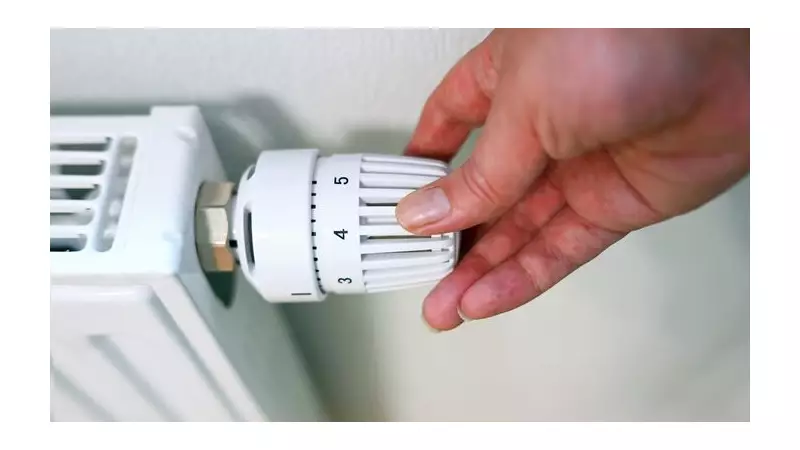
Rather than switching radiators off entirely, Your NRG advocates a more nuanced approach. They recommend adjusting individual thermostatic radiator valves (TRVs) to a lower setting in rooms that are occupied less frequently. This method reduces heat output in specific areas while preserving the overall efficiency and balance of the heating system.
"Turning a radiator down to a low setting, rather than off, provides controlled heat without placing extra strain on the boiler. It helps maintain a steady temperature throughout the home, which is more energy efficient and more comfortable too," the specialists advised. This strategy ensures that rooms remain gently warmed, preventing issues like damp or mould, while the boiler operates in its most efficient mode.
Additional Efficiency Measures for Winter
The energy experts also highlight the importance of checking and optimising boiler flow temperatures. Many households run their boilers at unnecessarily high settings, which wastes considerable energy. They suggest lowering the flow temperature to a range between 45°C and 60°C, depending on the level of home insulation, to enhance performance and minimise waste.
"Many households are still running their boilers at unnecessarily high temperatures. Reducing the flow temperature to a safe, comfortable level and ensuring radiators remain in use across the system can make a real difference to winter heating bills," the experts noted. Regular maintenance, such as bleeding radiators to remove air pockets, also contributes to efficient operation.

Heating Smartly, Not Just Less
Your NRG emphasises that the ultimate goal is to heat homes intelligently and efficiently, rather than leaving sections of the property cold. "Small adjustments can prevent energy waste and avoid the boiler working harder than it needs to. It is about heating the home smartly, not turning the heat off entirely," they concluded. By understanding how modern heating systems function and making informed, subtle adjustments, households can achieve genuine savings without compromising on comfort during the colder months.