The UK government has announced plans that could lead to a partial ban on wood-burning stoves across England. The move forms part of a major environmental shake-up designed to tackle air pollution and boost nature recovery.
New Pollution Targets Drive Stove Restrictions
According to reports on Monday, 1st December 2025, stricter restrictions are likely for domestic wood burners. The changes will be enacted under new pollution targets set within an updated Environmental Improvement Plan (EIP) released by ministers.
Labour's Environment Secretary, Emma Reynolds, stated the new plan would replace a previous version from the Tory administration, which she labelled as "not credible". She emphasised that the government's approach to restoring nature would now operate on "a strategic level" rather than through piecemeal efforts.

What the Crackdown Means for Households
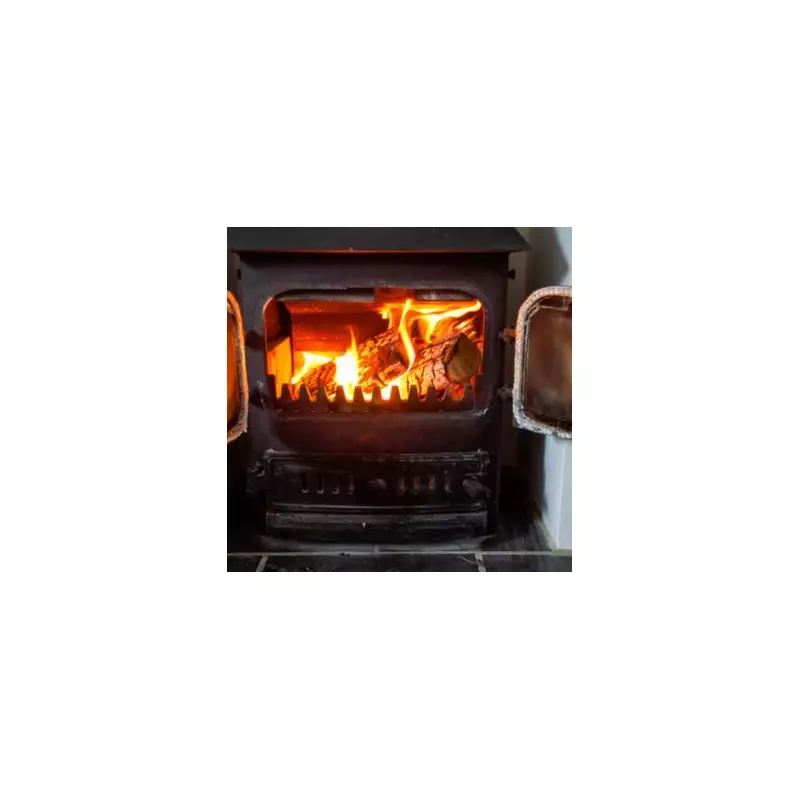
The proposed crackdown is set to have significant implications for homeowners. In existing smoke control areas, pollution limits will be tightened. The rules will stipulate that wood can only be burned in approved, cleaner types of stoves or burners, and not in open fireplaces.
This regulatory shift means some older or less efficient burners could face a total ban. In certain parts of England, it may become impossible to use any wood-burning device at all, depending on local air quality objectives.
"What we're talking about is restoring nature, not house by house, but at a more strategic level," Reynolds explained. "We can be both pro-development and pro-home-ownership and pro-nature." She expressed confidence in the new EIP, highlighting its built-in delivery plans as key to its credibility.
Reaction and the Path to a Greener Future
The policy has garnered support from environmental groups. Ruth Chambers from the Green Alliance thinktank called the new EIP "an important milestone" and an opportunity to harness government power for nature's benefit.
"It must now be converted swiftly into the sustained action needed to restore nature, clean up our rivers and air, create a circular economy and help people reconnect with the natural world," she stated.
The government's plan signals a decisive step towards meeting long-term air quality goals. It underscores a growing focus on domestic sources of pollution and represents a significant shift in how households in England will be able to heat their homes using solid fuels in the coming years.