Significant new regulations governing household waste collection are set to be implemented across the country in the coming weeks, introducing a more stringent approach to how residents dispose of their rubbish.
A Universal Standard System
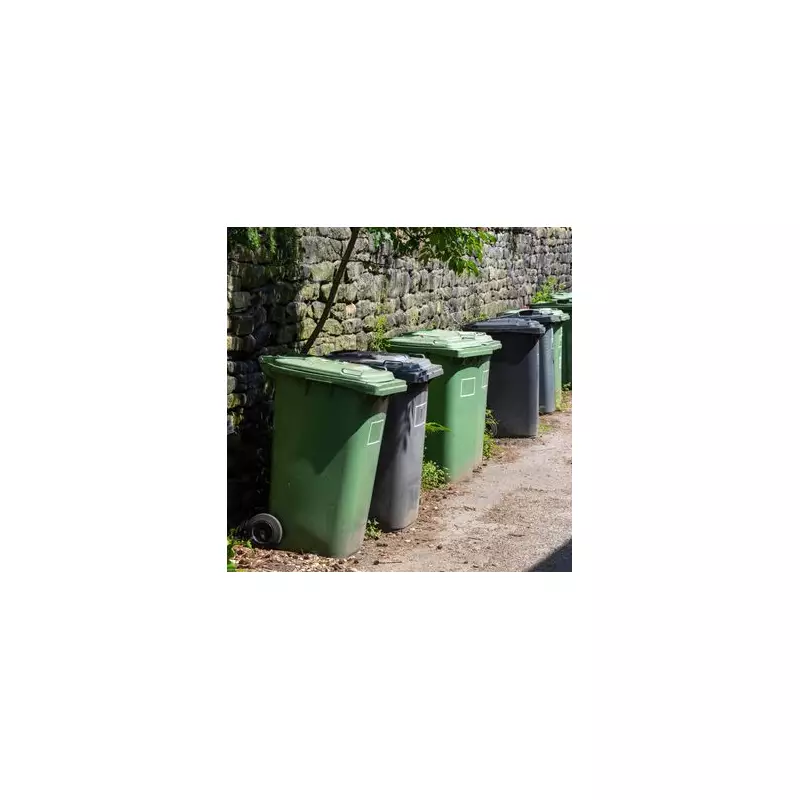
The government is rolling out a revamped, "universal standard" waste management system that will require most households to manage four separate bins or bags. This represents a substantial shift from current practices, demanding greater participation from the public in sorting their waste correctly.
Under these new rules, food waste must be kept entirely separate from general rubbish and disposed of in its own dedicated container. Similarly, recycling will no longer be a simple matter of placing all materials into one bin. Residents will need to separate paper and card from other recyclable materials, creating a more refined sorting process.

Financial Penalties for Non-Compliance
Households that fail to adhere to these new collection standards could face financial penalties. Local authorities have been empowered to issue fines of up to £80 for those who do not follow the prescribed waste disposal guidelines. This enforcement mechanism is designed to ensure widespread compliance with the new system.
The government has provided comprehensive guidance to councils detailing items they will not be required to collect from household bins. This list serves as a clear directive for what materials should be kept out of regular waste streams.
The Comprehensive Prohibited Items List
The government has identified thirty-seven specific items that generally should not be placed in household bins under the new collection rules. These materials fall into several distinct categories, each with their own disposal requirements.
Glass and Ceramic Materials
Several glass and ceramic items must be excluded from regular bin collections. These include:
- Candles and drinking glasses
- Flat glass and glass cookware such as Pyrex
- Light bulbs, tubes, and microwave plates
- Mirrors, vases, and window glass
- Ceramics including crockery and earthenware
Metal Items and Packaging
Various metal products require special disposal consideration. The prohibited list includes:
- Laminated foil packaging from pet food and coffee pouches
- Electrical items and all types of batteries
- General kitchenware like cutlery, pots, pans, and kettles
- Irons, pipes, and metal packaging that previously contained white spirits, paints, engine oils, or antifreeze
Plastic Materials
Certain plastic items must be kept out of household bins, particularly:
- Any plastic packaging or non-packaging items labelled as ‘compostable’ or ‘biodegradable’, including coffee pods
- Plastic bottles that have contained white spirits, paints, engine oils, or antifreeze
- Bulky rigid plastics such as garden furniture, bins, and plastic toys
- Polystyrene packaging including expanded and high-impact varieties like packing beads
- Polyvinyl chloride (PVC) packaging materials
Paper, Card, and Related Products
Several paper-based items require special handling, including:
- Food and drinks cartons made of fibre-based composite materials
- Absorbent hygiene products including nappies, period products, and incontinence items
- Cotton wool or makeup pads
- Tissue or toilet paper and wet wipes
Garden Waste and Related Materials
Various garden-related items must be disposed of separately, such as:
- Animal bedding and bulky waste including garden furniture and fencing
- Garden tools and other gardening equipment
- Plant pots, plastics, sand, and sawdust
- Stone, gravel, or brick materials
- Tea bags or coffee grounds
- Branches and trees that exceed certain size limits
For larger garden waste items like branches and trees, residents may need to cut them into smaller pieces to comply with local guidance and ensure proper collection.

Implementation Timeline and Expectations
These sweeping changes to bin collection rules are scheduled to come into force from the end of March, with households expected to receive additional bins to accommodate the new sorting requirements. The government's guidance aims to create a more consistent approach to waste management across different local authorities while increasing recycling rates and reducing contamination in waste streams.
Residents are encouraged to familiarise themselves with the new requirements well in advance of the implementation date to ensure a smooth transition to the updated system. Local councils will provide specific guidance about collection schedules and any variations to the national standards that might apply in particular areas.