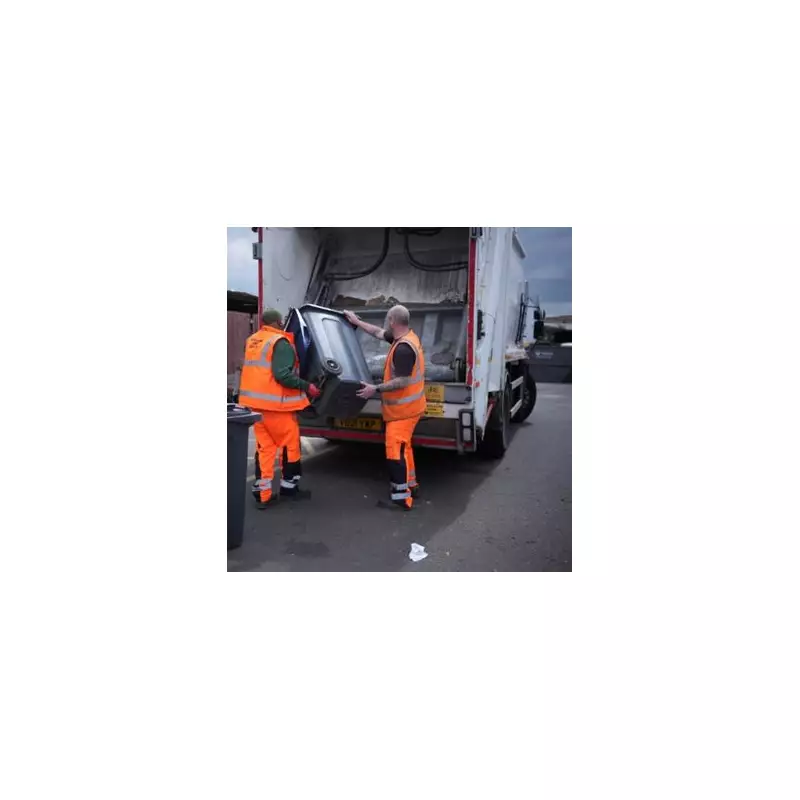
Millions of households across England are facing a significant shake-up to their bin collection routines, with new national rules set to take effect in 2026 that could lead to fines of up to £400 for non-compliance.
What Are The New Simpler Recycling Rules?
From March 31, 2026, the Labour Party government's Simpler Recycling plans will come into force, standardising how rubbish and recycling is sorted for every home in England. The initiative aims to end the confusing postcode lottery of differing council rules by introducing a uniform, four-stream system nationwide.
Under the new system, waste must be separated into the following categories:

- Non-recyclable rubbish (general waste)
- Food waste (collected separately, though may be combined with garden waste in some areas)
- Paper and card
- All other dry recycling, including plastic, metal, and glass
Why Are The Changes Happening and What Are The Risks?
The government states the move is designed to cut waste, boost recycling rates, and support the UK's transition to a circular economy and emissions targets. A spokesperson for the Department for Environment, Food and Rural Affairs (Defra) emphasised the commitment to "re-use, reduce and recycle more resources."
However, experts warn the transition will require a major adjustment for many. A spokesperson for recycling firm Wheeldon Brothers noted that while the system should bring clarity long-term, there will be a "learning curve." They highlighted that millions of households currently using a single recycling bin will need to quickly adapt to separating paper and cardboard from other materials.
The most immediate risk for residents is financial. Mistakes could lead to fines of up to £400, primarily driven by the issue of contamination. This occurs when incorrect items are placed in the wrong bin stream, potentially causing entire lorry loads of recycling to be rejected by processing facilities.
Preparing for the 2026 Deadline
The Wheeldon Brothers spokesperson cautioned that contamination is already a major problem and will likely be met with stricter enforcement under the new national framework. They urged the public to start paying attention to the upcoming changes to avoid costly errors.
With the deadline set for March 31, 2026, households have just over two years to prepare for the shift in their long-standing waste disposal habits. Local councils will provide specific guidance on how the four streams will be collected in their area, including details on containers and collection schedules.
The government's broader environmental strategy also includes considering the future role of waste incineration within its decarbonisation plans, with the Environment Agency enforcing strict emission limits on operators.