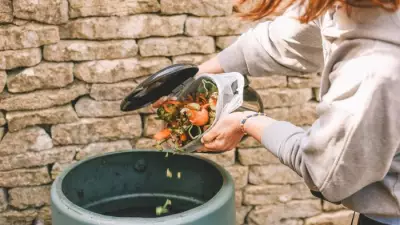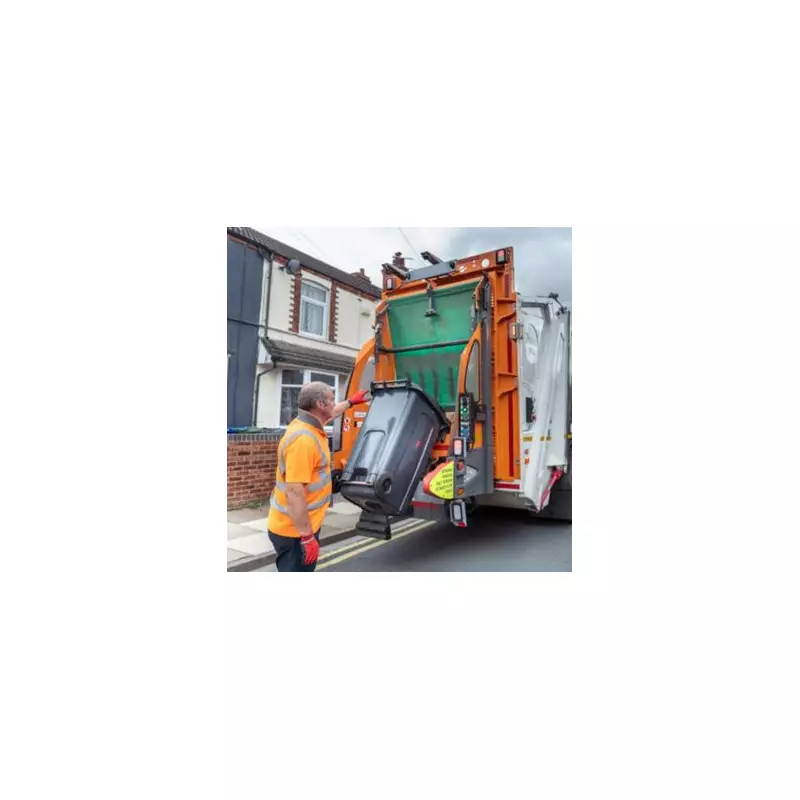
Millions of households across England will be required to separate their food waste for dedicated collection under new government rules set to take effect from 2026.
Core Reforms and Key Dates
The Labour government has confirmed it will introduce separate food waste collections for all households from 2026. This forms a central part of its Environmental Improvement Plan (EIP) 2025. The Department for Environment, Food and Rural Affairs (Defra) and local authorities will be responsible for implementing this significant change to the nation's waste management.
Alongside the food waste mandate, a suite of related reforms will be rolled out. Simpler Recycling will be introduced in England from 2025, standardising the recyclable waste streams collected from homes and businesses. From October 2027, a Deposit Return Scheme (DRS) for drinks containers will launch, covering single-use containers from 150ml to 3 litres made from PET plastic, steel, and aluminium.

Funding and Producer Responsibility
To fund improvements in recycling services, the government will implement Extended Producer Responsibility for packaging (pEPR). This policy shifts the financial cost of dealing with household packaging waste away from councils and taxpayers and onto the producers of the packaging themselves.
The scheme administrator, PackUK, will be instructed to recover any pEPR funds paid to local authorities that are not spent on waste management services. This measure is designed to ensure sufficient investment flows directly into improving recycling performance nationwide.
Long-Term Waste and Landfill Goals
The government's strategy includes ambitious, long-term targets to transform waste management. A key aim is to drive the reduction and near-elimination of biodegradable municipal waste sent to landfill from 2028. The 'Design for Life' roadmap will guide a transition away from all avoidable single-use medical technology products by 2045.
Further options being considered involve expanding the list of materials banned from landfill without treatment. This could soon include paper, card, food, garden waste, wood, and textiles. The government also plans to pursue the near-elimination of biodegradable non-municipal waste to landfill from 2028, identifying additional waste streams for restriction during 2026.
A forthcoming circular economy growth plan will outline strategies to promote greater material reuse in key sectors, which is seen as vital for reducing the volume of residual waste, including that which ends up in landfill sites.