Dehumidifiers have become an essential household appliance during the colder months, when windows are often kept shut to retain warmth. These devices effectively manage excess moisture generated from everyday activities such as cooking and drying laundry indoors. By reducing condensation, they help eliminate musty odours and mitigate health risks associated with mould growth. Yet, many users are unaware of the best practices to optimise their dehumidifier's performance.
Strategic Placement for Maximum Effectiveness
Ebac UK, a leading dehumidifier manufacturer, has shared expert guidance on achieving optimal results. A common mistake is leaving the unit stationary in one location. Instead, the company advises moving it around the home, with particular attention to walls that face east.
"Easterly-facing walls receive less sunlight, making them more susceptible to condensation. Regularly relocating your dehumidifier to rooms with easterly exposures can comprehensively safeguard your property from damp and mould," explained the Ebac team.

Proper positioning is also crucial. Dehumidifiers should be placed at a distance from walls to ensure unobstructed airflow. "Dehumidifiers operate by drawing in and expelling air through vents. Blocking these vents can significantly impair the device's efficiency," they noted.
Essential Daily Maintenance Routines
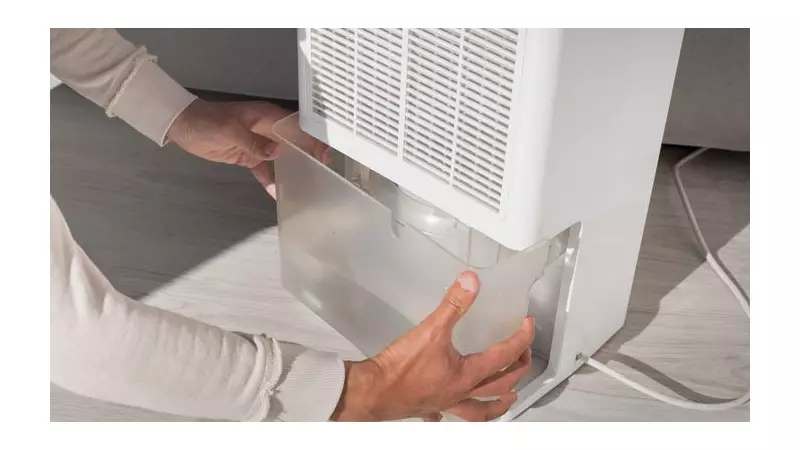
When actively removing moisture, water tanks fill quickly and require frequent emptying. Tank capacities vary widely, from under 1,000ml in compact tabletop models to over 4 litres in robust units designed for drying laundry.
Ebac emphasises: "As your dehumidifier extracts moisture-laden air, it converts it into condensation and stores it in a reservoir. Emptying this container daily ensures the appliance functions at peak performance."
Optimising Humidity Levels and Airflow
For manually controlled dehumidifiers, setting the correct humidity range is vital. The recommended level is between 30% and 50%. "Excessive moisture fosters dampness and mould, while overly dry conditions can promote bacterial growth," the company clarified.
To enhance effectiveness, keep interior doors slightly ajar during operation. "Dehumidifiers cannot draw in moist air with doors fully closed. A slight opening facilitates adequate airflow, allowing the device to perform its task efficiently," Ebac recommended.
Preventative Measures Against Indoor Drying Risks
Adopting a proactive approach is key to preventing mould and damp issues. Using a dehumidifier whenever laundry is dried indoors is strongly advised. A 2014 University of Manchester study highlighted that drying clothes on airers or radiators can elevate indoor moisture levels by up to 30%, creating ideal conditions for mould spore proliferation, which may lead to serious respiratory infections.
Dr. Denning, Professor of Infectious Disease in Global Health at the University of Manchester, stated: "It's estimated that as many as 87% of us dry our clothes indoors during winter. One load of wet washing contains almost two litres of water released into the room."
He added: "My advice is to dry wet washing outside, in a tumble dryer, or in a well-ventilated indoor space away from bedrooms and living areas. It's better to be safe than sorry."
By following these expert tips, households can effectively manage winter moisture, protect their homes from structural damage, and promote a healthier living environment.