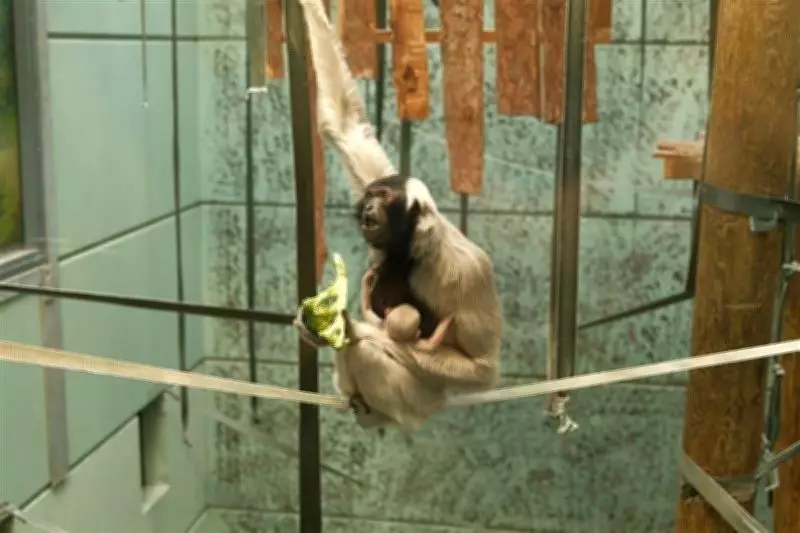
Conservation efforts at Twycross Zoo have achieved a significant milestone with the arrival of its first newborn of 2026, an endangered pileated gibbon. The infant was born in the late afternoon of Tuesday, 3 February 2026, marking a heart-warming yet critically important event for global wildlife preservation.
A Precious Addition to the Primate Family
The baby pileated gibbon is the latest member of the zoo's primate collection, born to experienced parents Valentina and Helmut, who form a successful breeding pair. Both mother and newborn are reported to be in excellent health, with the infant clinging securely to Valentina as they reside in the zoo's Gibbon Forest enclosure, now visible to visitors.
The sex of the baby remains unknown at this time and will only be determined once zoo keepers can observe it clearly, a process that may take several weeks or even months. Despite this uncertainty, the birth represents a moment of joy and hope for conservationists and animal lovers alike.

Global Significance of the Birth
While the newborn is undeniably adorable, its arrival carries profound conservation implications. Pileated gibbons are classified as Endangered on the IUCN Red List, with wild populations in Southeast Asia facing severe threats from habitat loss and fragmentation.
This particular infant is especially valuable due to its genetics, which are not over-represented in the European population. As such, the birth serves as a vital safeguard for the species' genetic diversity and long-term survival.
Coordinating Conservation Across Europe
Twycross Zoo plays a pivotal role in the preservation of pileated gibbons by coordinating the EAZA Ex-situ Programme (EEP) for this species. This means the zoo's expert team is responsible for planning and managing breeding recommendations across European zoos, ensuring a healthy and genetically diverse population.
Matt Ford, Primate Curator at Twycross Zoo and EEP Coordinator for pileated gibbons, emphasised the importance of this event: "This is a hugely important birth, not just for Twycross Zoo but for the entire European pileated gibbon population. Every baby born as part of the EEP is carefully planned, and this infant carries genetics that are incredibly valuable for the long-term future of the species."
Future Developments in Conservation
The work surrounding this birth aligns with Twycross Zoo's broader conservation mission, which will soon be enhanced by the Global Conservation Centre. This £25 million hub, currently under construction and set to open in 2027, is designed to amplify the charity's impact on wildlife preservation worldwide.
Visitors to Twycross Zoo now have a rare opportunity to witness this conservation success firsthand, as the baby gibbon and its mother can be observed in the Gibbon Forest enclosure. This offers a unique glimpse into the early days of one of the world's most threatened primates, highlighting the critical role of zoos in species survival.