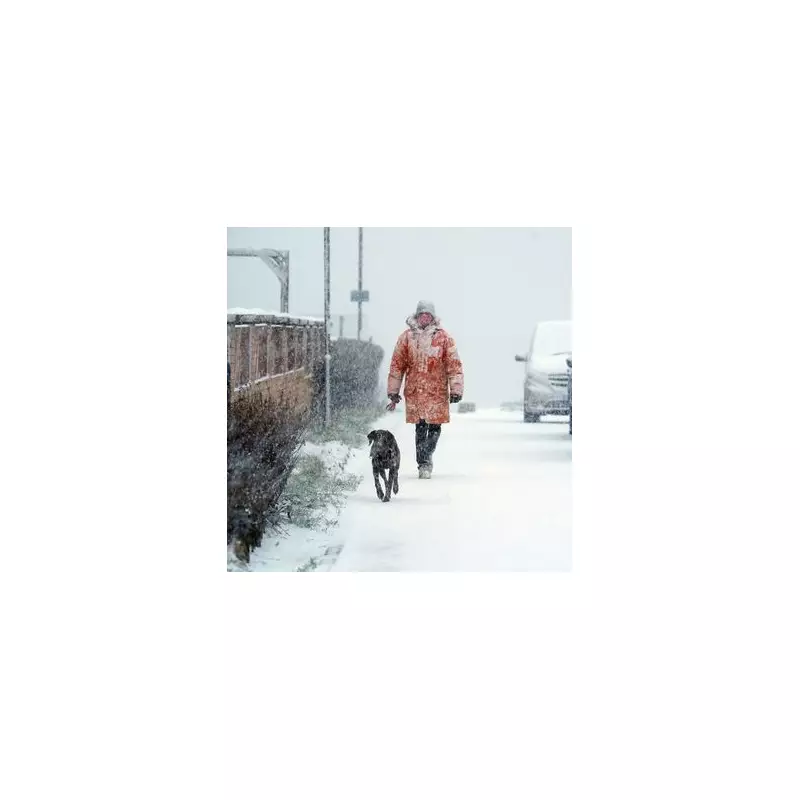
As Storm Goretti continues to blanket parts of the UK in snow and ice, a crucial warning has been issued to the nation's dog owners. The very rock salt and grit used to make pavements safer presents significant hidden dangers to canine companions, risking painful injuries and serious illness.
The Corrosive Threat to Sensitive Paws
Beyond the obvious chill, the salt spread on roads and walkways acts as a corrosive agent. It draws essential moisture directly from a dog's paw pads, which can rapidly lead to painful cracking, soreness, and severe redness. If this exposure continues untreated, it can result in serious chemical burns.
Many owners may not notice the initial damage until their pet starts limping or obsessively licking its feet. Once the protective pad barrier is broken, even a routine walk can become a source of significant distress for the animal.

Risk of Toxic Ingestion and Soaring Vet Bills
A major secondary hazard is salt poisoning. Dogs will often try to lick the irritating grit from their fur and paws, ingesting the harmful chemicals. This can lead to vomiting, diarrhoea, and in severe cases, dangerous convulsions or kidney failure.
The financial impact of these injuries is also substantial. The average veterinary claim for a simple wound in the UK is now approximately £313. Cases involving infection or toxic ingestion can see costs escalate far beyond this initial figure.
How to Protect Your Dog This Winter
Experts recommend a proactive approach to keep pets safe. Applying a protective, dog-safe paw balm before walks can create a vital barrier against the harsh chemicals. After every outing, thoroughly rinse your dog's paws with warm water to wash away any trapped salt or grit.
Choosing routes through parks or on untreated grassy areas, rather than heavily gritted roads, can dramatically reduce exposure. Vigilance is key: if you spot any open sores or signs of persistent pain, seek early veterinary advice to prevent complications and higher medical bills.