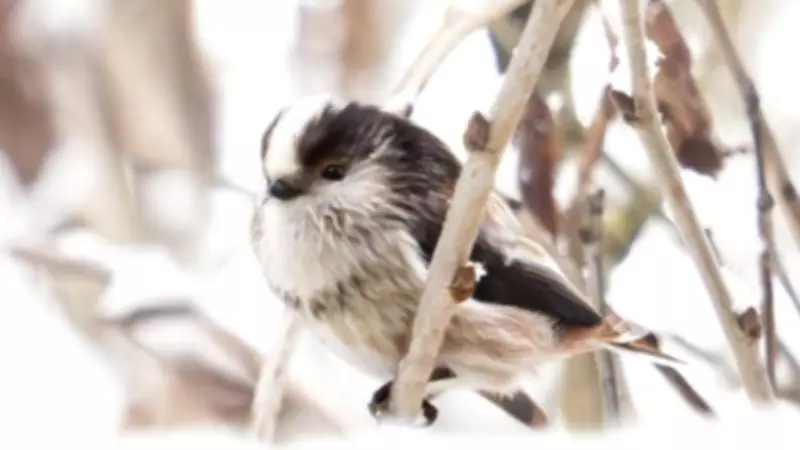
One of the most delightful winter wildlife encounters in Lancashire is coming across flocks of long-tailed tits during countryside walks. Imagine the excitement when a flock of these charming, tiny birds suddenly descends upon your garden bird feeders, bringing a burst of life to the winter landscape.
A Fleeting Winter Visitor
These delightful visitors often make brief appearances, as many birds aren't currently relying heavily on bird tables due to the mild weather conditions. The temperate climate allows them to access natural food sources away from gardens, meaning they might move on quickly to brighten someone else's day elsewhere.
While long-tailed tits can be spotted throughout the year, winter offers particularly good viewing opportunities. During colder months, they gather in flocks for warmth and protection, often mixing with other small birds like tits, sparrows and finches at feeding stations.

The Charming Appearance of Long-tailed Tits
Often described as "balls of fluff on long sticks," long-tailed tits present a truly charming spectacle. Their distinctive appearance includes a plump body, short stubby bill, and that remarkable long tail that gives them their name.
Upon closer inspection, their colouration reveals itself as particularly striking. They display a beautiful combination of pink, black and white plumage, with a black-and-white back, white head featuring a wide black eye stripe, and a delicate pale pink belly. Measuring approximately 14cm in length with an 18cm wingspan, they weigh around three ounces - roughly equivalent to a AAA battery.
Winter Behaviour and Habitat
Paths along hedgerows provide excellent vantage points for spotting these delightful birds. Observers might see one individual hop across a path onto a branch, followed by another, with the rest of the flock following in a flurry of pink-and-white feathers.
At this time of year, long-tailed tits begin constructing their remarkable domed nests from moss, typically placed in the fork of a tree or bush. They line these nests with hundreds of feathers for insulation, camouflaging the exterior with lichen and cobwebs - creating what sounds like a heavenly sanctuary for raising their young.
Feeding Habits and Conservation
Their primary diet consists of insects and spiders hidden within small branches and tree leaves, though they readily visit bird feeders and tables when natural sources become scarce. This adaptability makes them regular visitors to gardens that provide supplementary feeding.
The creation and maintenance of suitable habitats through tree planting and hedgerow establishment around Manchester and throughout Lancashire enables wonderful wildlife encounters. These habitats quickly become populated by insects and birds, demonstrating how conservation efforts yield rapid benefits for local wildlife.
Bringing Wildlife Closer to Home
Garden owners can support these charming birds by providing bird feeders or tables, particularly in larger gardens. Window feeders offer especially close viewing opportunities, while providing ice-free water sources during winter proves invaluable for all garden birds.
Encounters with long-tailed tits serve as life-affirming reminders of nature's beauty and resilience. Whether observed flitting through winter hedgerows or visiting garden feeders, these delicate birds represent one of the North West's most charming wildlife spectacles.