Natterjack Toads Make Triumphant Return to Sefton Coast Following Restoration Efforts
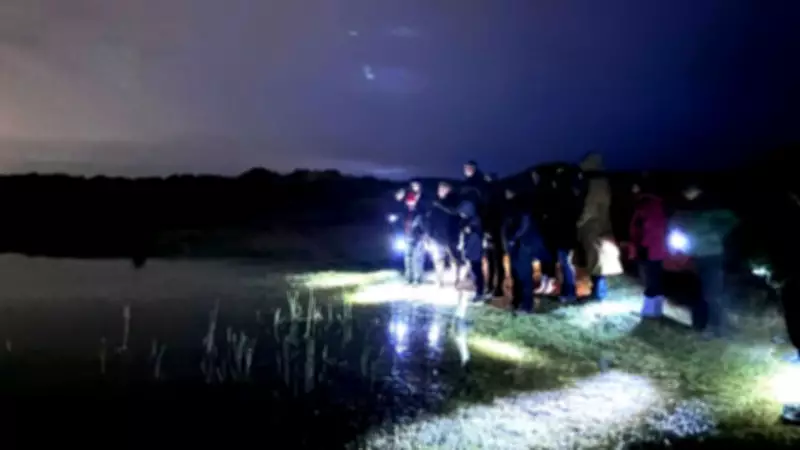
The inaugural Natterjack Toad Walk of the season, a highly anticipated event in the Green Sefton coastal calendar, proved to be a resounding success last week. Despite facing challenging conditions including high winds, low temperatures, and occasional showers, the nocturnal adventure delivered spectacular sightings of these protected amphibians.
Successful Sightings Despite Adverse Weather
These popular events typically book up within hours of being advertised, with organizers often concerned that the elusive "Birkdale Nightingales" or "Bootle Organs" (as they're affectionately known locally) might not make an appearance. However, participants were treated to multiple encounters with Natterjack Toads scurrying along dune paths and lurking in pools and slacks throughout the evening.
The walk revealed several promising signs for the species' future:

- Multiple pools and flooded areas contained distinctive strings of Natterjack Toad spawn
- One sheltered location already hosted tiny tadpoles swimming through aquatic vegetation
- Toads had returned to areas they haven't utilized for several years
Habitat Restoration Yields Positive Results
The return of Natterjacks to previously abandoned areas can be attributed to extensive winter work conducted by Green Sefton over recent seasons. This conservation effort, funded by DEFRA and the Countryside Stewardship Scheme, has involved:
- Clearing overgrown areas of the dune system
- Scraping invasive scrub from slacks
- Creating large sand patches to improve habitat quality
This restoration work has made the habitat more attractive not only for Natterjack Toads but also for other key species including Sand Lizards and Northern Dune Tiger Beetles. The project represents a comprehensive approach to preserving Sefton's unique coastal ecosystem.
Challenges Remain for Vulnerable Species
While the 2026 season has begun reasonably well, Natterjack Toads face numerous challenges between now and their autumn hibernation. These include:
- Fluctuating climate conditions
- Predation from other species
- Human disturbance in sensitive areas
- Ongoing habitat loss pressures
Particularly vulnerable are Natterjack tadpoles, which inhabit warm, shallow water at the edges of flooded dune areas. Their delicate existence can be threatened by seemingly minor disturbances, such as dogs paddling in pools. The resulting ripples can wash tadpoles ashore where they quickly perish, while unseen spawn at the bottom of pools can be trampled or broken up by unaware pet owners.
Conservation Calls for Public Cooperation
Green Sefton, the Sefton Council service that manages the coastline, parks, and green spaces, emphasizes the importance of public cooperation in protecting these fragile ecosystems. Visitors are urged to keep dogs out of all pools and flooded areas to give Natterjacks and other wildlife the best chance of survival.
The success of the Natterjack population depends on multiple factors beyond habitat condition, including rainfall levels, temperatures, and competition from other species. Conservationists remain hopeful that if drought conditions like those experienced in 2025 don't recur, this could be a promising season for these remarkable amphibians.