British astronomy enthusiasts are in for a spectacular treat this February, as the cosmic calendar presents a series of six stunning celestial events that promise to ignite the winter skies. Weather permitting, these astronomical phenomena offer a breathtaking glimpse into the universe's grand cycles, providing perfect opportunities for both seasoned stargazers and curious newcomers to explore the heavens.
A Month of Cosmic Wonders
February 2026 delivers what many are calling a celestial feast for UK skywatchers, beginning with the brilliant Snow Moon and culminating in a rare planetary alignment that will crown the end of the month. With dark sky festivals scheduled across various National Parks throughout the country, this period represents an ideal time to wrap up warm and venture out to witness our incredible universe in all its glory.
Full Snow Moon (1 February)
The month commences with the Full Moon rising majestically in the constellation Cancer. Traditionally known as the Snow Moon, this lunar event will appear exceptionally bright and will position itself near the beautiful Beehive Cluster (M44), creating a stunning visual spectacle particularly enhanced through binoculars. The moon will maintain its round, full appearance until approximately February 5, after which its shape will gradually transform more noticeably as it wanes to a crescent by February 12, eventually becoming a new moon on February 17.

Dark Skies Festivals (12–22 February)
Several UK National Parks, including the renowned South Downs and North York Moors, will host special dark sky festivals during this ten-day window. These organised events provide wonderful opportunities for guided night walks and star parties, taking full advantage of minimal light pollution to reveal the cosmos in unprecedented clarity.
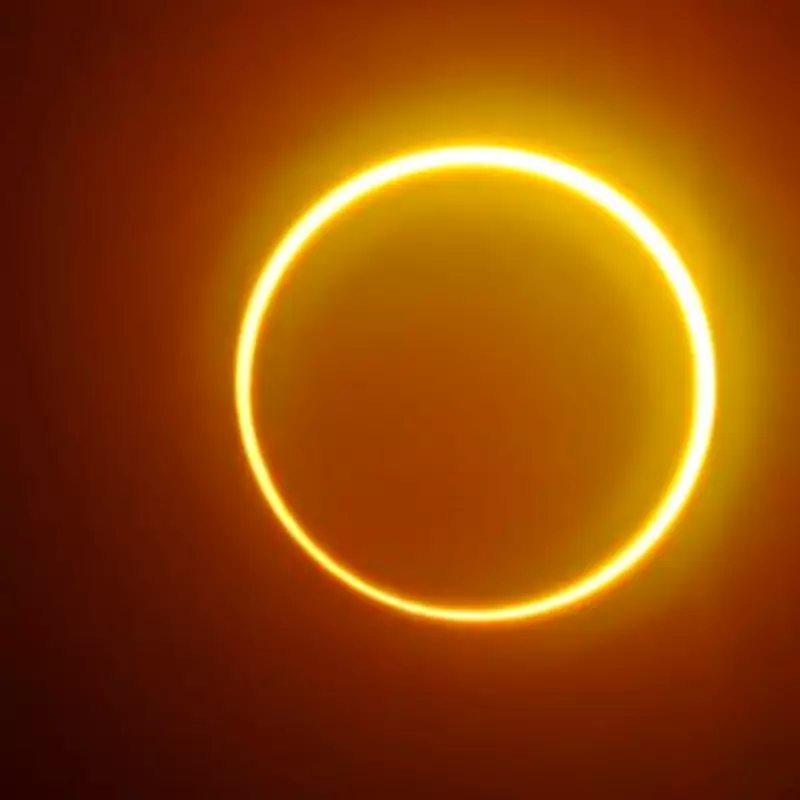
Annular Solar Eclipse (17 February)
While the complete "Ring of Fire" effect created by this annular solar eclipse will only be fully visible from Antarctica, the event will still be accessible to UK observers through online streams. The New Moon occurring on this same date creates the darkest skies of the entire month across Britain, offering perfect conditions for spotting faint nebulae and distant galaxies that are normally challenging to observe.
Mercury at Greatest Elongation (19 February)
The often elusive planet Mercury reaches its highest point in the evening sky on this date, presenting a rare opportunity for observation. To catch a glimpse of the "Swift Planet," look low towards the western horizon just after sunset, watching carefully as it briefly appears before sinking below the horizon.
Lunar Occultation of the Pleiades (24 February)
In a particularly mesmerising alignment, the First Quarter Moon will pass extremely close to the magnificent Pleiades star cluster, commonly known as the Seven Sisters. Through a telescope, observers can witness the moon's edge grazing these brilliant blue stars in a captivating celestial dance.
The Six-Planet Parade (28 February)
A spectacular "planet parade" crowns the end of the month, featuring Mercury, Venus, Jupiter, Saturn, Uranus, and Neptune aligning across the sky in a remarkable formation. The Moon will join this planetary procession, creating a breathtaking wide-field vista that promises to be a highlight of the astronomical year.