Birmingham's Urban Foxes Thrive During Year-Long Bin Strike and HS2 Displacement
Birmingham's ongoing bin strike, now lasting over a year, has created an unexpected boom for the city's urban fox population. The animals are thriving on discarded food from overflowing rubbish bags, leading to a significant spike in sightings across the region.
Kingshurst Emerges as Urban Fox Capital
Kingshurst has become the area's urban fox capital, partly due to HS2 construction displacing foxes who are now congregating in this Solihull suburb. Castle Vale also reports healthy fox numbers, with residents noting increased activity.
Eddie Jones, of charity The Fox Rescuers, stated: "People who have never seen foxes in Kingshurst are now seeing them regularly." Of the approximately 120 calls received last year about injured foxes, 20 percent originated from Kingshurst.

Health Risks and Human Interaction
While the bin strike has led to more sightings, there's no official data confirming a population boom. However, more foxes gathering in areas with easy food access increases their risk of contracting mange, a severe skin disease caused by parasitic mites.
Fox Rescuers boss Paul McDonald urged residents not to put food out for the animals, warning: "People encourage them, throw food at them and that makes them bolder." This behavior can lead to dangerous interactions and health issues for the foxes.
Harsh Realities of Urban Fox Life
Urban foxes face challenging conditions with a life expectancy of just two years, compared to three years for their country counterparts. January is particularly perilous as it's mating season when foxes take greater risks on roads.
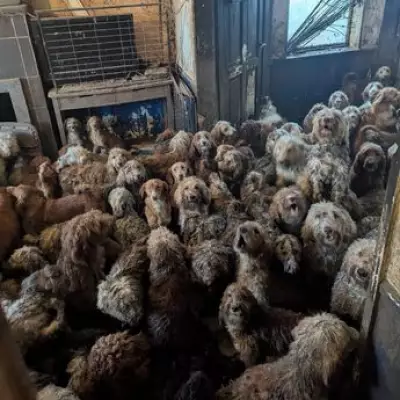
Recently, The League Against Cruel Sports dumped 648 fake foxes in Victoria Square to highlight illegal hunting practices, despite hunting with hounds being against the law. This demonstration underscores ongoing threats to urban wildlife.
The combination of abundant food from the bin strike and displacement from HS2 projects has created ideal conditions for Birmingham's urban foxes, though experts caution about the long-term consequences for both animals and residents.