Routine Army Medical Uncovers Leukaemia and Twin Secret
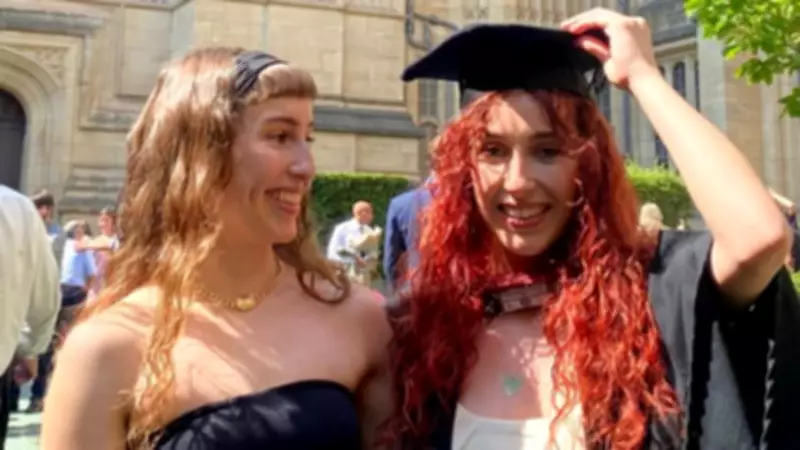
A standard medical examination for the Army turned into a life-altering event for 23-year-old Caitlin Leggett. What began as a persistent rash escalated into a diagnosis of acute myeloid leukaemia (AML), a fast-acting cancer affecting white blood cells. This devastating news was compounded by a stunning family revelation: Caitlin and her sister Grace, from Cardiff, are actually identical twins, despite believing for over two decades that they were non-identical.
DNA Testing Reveals Genetic Identity
High-level DNA testing, conducted during the search for a bone marrow donor, confirmed that the sisters share 100% of the same genetic code. Previously assumed to be dizygotic twins from two separate eggs, this discovery was described as a bittersweet 'golden nugget' for the family. It meant that Grace, who had always been inseparable from Caitlin, was unable to provide the life-saving transplant her sister desperately needed.
Inseparable Bond and Shared Journey
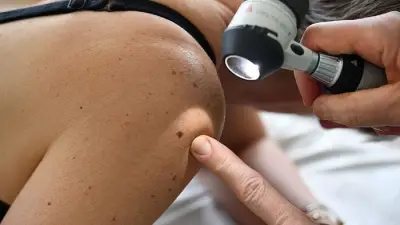
Caitlin and Grace have always been close, moving together to Bristol to study Psychology and Neuroscience and sharing hobbies and athletic interests throughout their childhood in Wales. Caitlin's health crisis began in March 2025 when a small rash did not respond to over-the-counter treatments. By early April, an urgent call from an out-of-hours GP led her directly to the Llewellyn Teenage Cancer Trust unit, where AML was confirmed.

Common symptoms of AML include fatigue and bruising, but Caitlin's only warning sign was that stubborn skin rash. This case underscores the importance of recognizing unusual health changes, even when they seem minor.
Transplant Plan Takes an Unexpected Turn
Initially, Grace was prepared as the donor, undergoing extensive testing that included weight checks, blood draws for disease screening, and assessments of heart rate and lung function. She recalled, "I had to go to one of the hospitals in Cardiff and they did all the checks... Everything was fine, so they gave me a little pamphlet with all the information. And then I just had to wait."
However, a consultant soon called with a 'triple-checked' result that changed everything. Caitlin was informed, "Every single marker that we've looked for is exactly the same, and we would expect different if you're non-identical." While Grace was thrilled to be 'basically Caitlin,' this genetic similarity meant she could not serve as the donor.
Why Identical DNA Complicates Transplants
For a bone marrow transplant to be effective, the recipient's body must recognize the new cells as slightly 'foreign' to trigger an immune response that hunts down and destroys remaining cancer cells. Caitlin explained, "The whole concept of the transplant wouldn't work," as their identical DNA was too similar for the necessary immune reaction.
Recovery Journey and Advocacy for Donation
After facing setbacks and participating in a clinical trial in Manchester, Caitlin received a transplant from an anonymous donor in December 2025. She described the gruelling full-body radiotherapy: "I didn't feel anything from chemo initially, but the first day of radiation, oh my God, I thought I was dying. It was crazy. I had, like, all the side effects on one day, but then by the second day, I got used to it, so I felt alright." She is now recovering and undergoing regular bone marrow monitoring.
The sisters are using their experience to advocate for stem cell donation. Currently, only 7% of the UK population is registered as donors, yet thousands depend on strangers for a second chance at life. Grace emphasized, "It takes maybe six hours maximum (to donate), and then for someone else, it changes their life. So I don't see why you wouldn't do it." Caitlin added, "It literally could be anyone."
To check eligibility for donation, individuals can visit the DKMS stem cell register. This story highlights the critical need for increased awareness and participation in donor programs to save lives.