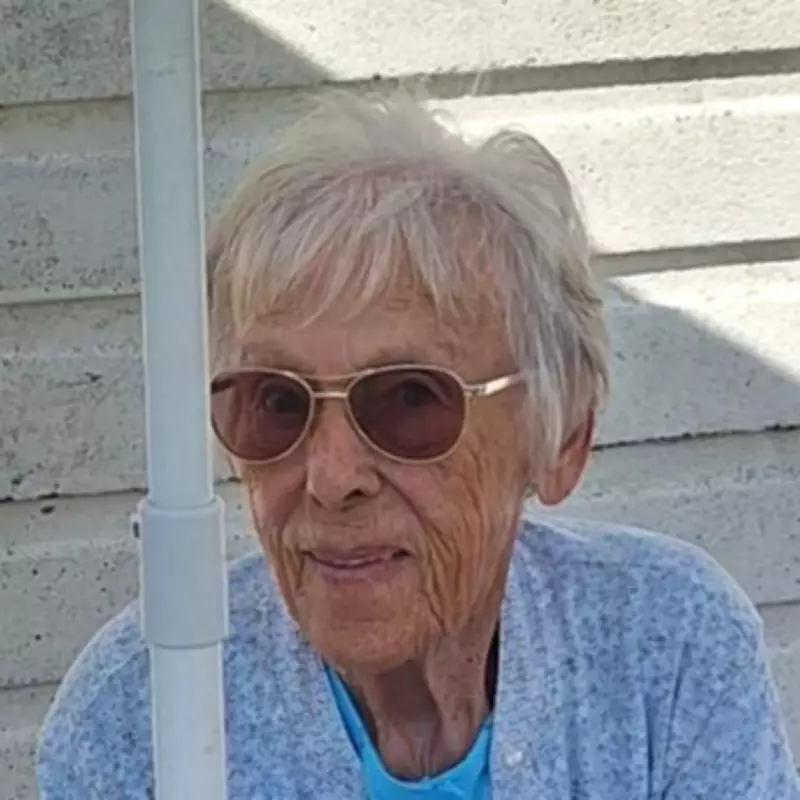
The heartbroken family of a former sales assistant have asked lawyers to investigate whether her time at popular Birmingham department stores resulted in her asbestos-related cancer death.
Career at Birmingham stores
Between 1982 and 1989, Barbara Devey worked for House of Carmen Ltd, a wig-making franchise based in the former Lewis’s Department Store on Bull Street, before moving to the former Rackhams Department Store on Corporation Street.
Before her death in August 2024, Barbara recalled that renovations were carried out at the Lewis’s department store while she was working there. Although the renovations largely took place at night, she said the store remained open during this period and caused a 'dusty and dirty working environment'. The grandmother-of-eleven believed asbestos in the building had been disturbed by the renovation work.

Health decline and diagnosis
Barbara, from West Bromwich, saw her health decline in October 2023, suffering from a persistent cough and recurrent chest infections. The widow, who had five children, was diagnosed with mesothelioma in February 2024, a terminal cancer commonly associated with exposure to asbestos. She died at home six months later at the age of 87.
Legal investigation
Her family have now instructed lawyers at Irwin Mitchell to investigate her illness and where she was exposed to asbestos. Jasmine Hunte, the specialist asbestos-related disease lawyer representing Barbara’s family, said: “Barbara’s family are still coming to terms with the death of a much-loved mum and grandma. We can’t bring Barbara back or lessen the pain her family are going through, but we’re determined to help them uncover the facts behind her asbestos exposure and provide them with the answers they’re looking for.”
“While exposure to asbestos is commonly linked to heavy industry, its use was much more widespread, including in public buildings such as supermarkets and stores. The rapid change in stores during the 70s and 80s meant that premises were being constantly redesigned and re-fitted. If any of Barbara’s old work colleagues could come forward with information, it could make all the difference to the family as they continue their search for answers and for some form of closure following Barbara’s death.”
Family tribute
Barbara's eldest son Symon, 62, said: “It’s still hard to accept that mum has gone. She was a wonderful woman and a committed mum. Nothing was ever too much trouble for mum. Family meant everything to her and she loved spending time together with us all. As her condition got worse, I could tell how hard it was for her not to be able to see everyone as often or take her grandchildren out for the day.”
“Mum didn’t deserve to suffer in the way she did at the end. It broke my heart to see her like that. No one deserves to go through the suffering mum did in those final months. We’d not heard of mesothelioma before mum’s diagnosis, but our family know full well how dreadful an illness it is. If anyone who worked with mum, or anyone with information about the stores could come forward, we’d be so grateful. Your memories could be the key to helping us get the answers and honour mum’s memory.”
Anyone with information is asked to email Jasmine.Hunte@IrwinMitchell.com or call 0121 214 5473.