A mother who believed she was suffering from a common cold found herself fighting for her life after developing a rare flesh-eating disease that ultimately led to the amputation of her leg.
From Cold Symptoms to Life-Threatening Emergency
Friedel de Beer, 51, first noticed what she thought were cold symptoms on February 7, 2023. The former swim school owner, originally from South Africa but living in West Sussex at the time, did not consider her condition serious initially. "I did not think much of it," she recalled, describing how she took painkillers but failed to improve.
Several days later, while traveling to join her family at their rental home near Lake Annecy in the French Alps, Friedel experienced extreme fatigue, needing to stop at every service station along the journey. Once in France, she developed increasing pain in her calf muscle and noticed red, blistered skin on her ankle.

Rapid Deterioration and Hospital Admission
The situation escalated dramatically when Friedel collapsed on her bathroom floor. Her ankle skin had "completely changed", appearing dark and blood-blistered. Her husband, James Hope-Lang, 57, sent photographs of the affected area to a doctor friend, who immediately advised hospital treatment.
James drove Friedel to hospital on February 12, where medical staff quickly identified a serious condition. Tests revealed she was suffering from septic shock, with scans showing Strep A that had mutated into necrotising fasciitis – the rare flesh-eating disease described by the NHS as life-threatening.
Medically Induced Coma and Surgical Interventions
Doctors transferred Friedel to another hospital for intensive care, warning that she was "hours away from losing" her life. She underwent emergency surgery where surgeons made small incisions to identify and remove infected tissue. "They worked their way up the leg, trying to find the point where the infection has got to," James explained.
On February 13, Friedel was placed in a medically induced coma for eight days to allow daily removal of infected tissue. When she awoke on February 21, her leg was almost completely stripped of skin between her foot and knee. Despite the extensive surgery, she continued to show signs of infection.
The Decision to Amputate
Doctors informed Friedel they needed to amputate below her knee to remove the persistent infection. She responded pragmatically: "I said I have no problem with that at all, because I knew the state my leg was in." The below-knee amputation occurred on February 24.
When a secondary infection caused continued fever, surgeons performed an above-the-knee amputation on March 3. The procedures left Friedel feeling "very weak" and barely able to sit up independently.
Long Road to Recovery and Adaptation
Friedel's recovery involved:
- Physiotherapy sessions beginning in mid-March
- Learning to transfer from bed to wheelchair
- Taking antibiotics to ensure complete infection clearance
- Taking first independent steps with a prosthetic in May
- Returning home full-time in July
However, pressure wounds on her stump necessitated further surgery in February 2025, where surgeons removed an additional 4cm from her femur to improve prosthetic fit. She remained hospitalized until July 2025 while healing and relearning to walk.
Life with a Prosthetic and New Perspective
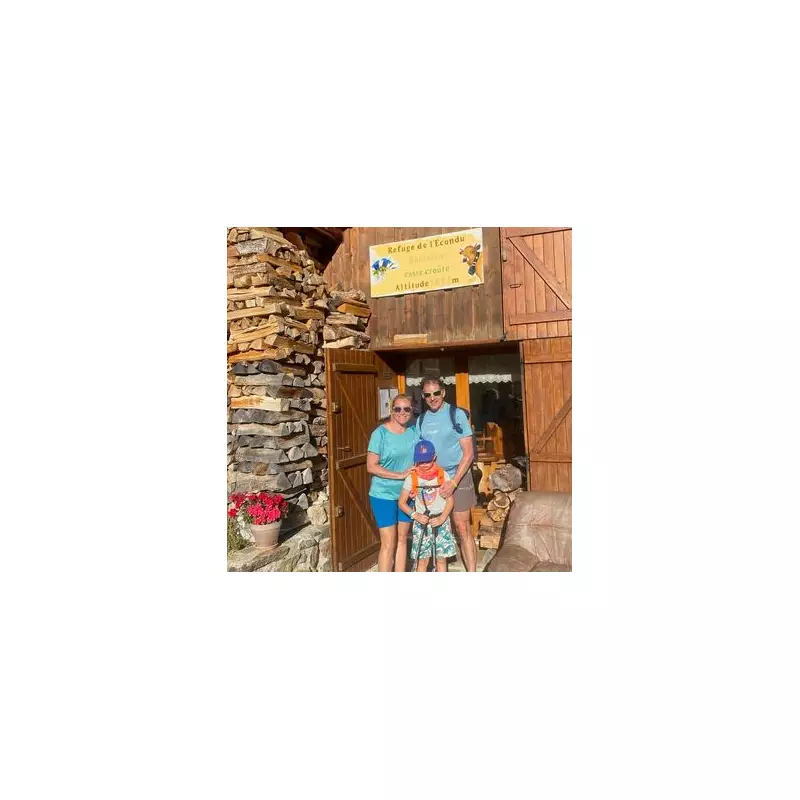
Now living full-time in the French Alps, Friedel has adapted to her prosthetic limb, learning to swim and kayak, though she cannot cycle or ski. She actively fundraises for a prosthetic sports knee to further integrate into an active lifestyle.
"I prefer to show it because it's such an amazing piece of equipment," she said about her prosthetic, encouraging open conversations, particularly with children. "I always say to parents, please don't stop your child from asking."
Her 11-year-old son JJ, initially traumatized by seeing her in intensive care, now barely remembers her without the prosthetic. Friedel reflects that the experience has put her life "into perspective", changing her priorities and appreciation for life's opportunities.

"You feel you are very lucky that you survived," she said. "I do have bad days or weeks and it's overwhelming, but you just have to let it out and allow yourself to be sad, allow yourself to be angry, upset and then move on."