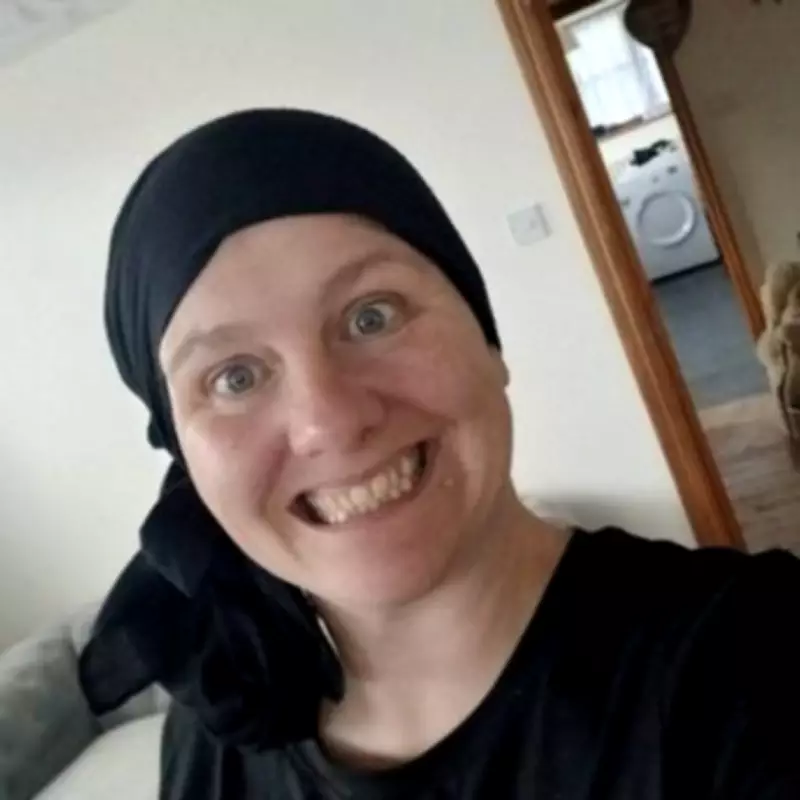
Mother Faces Terminal Diagnosis After Hospital Allegedly Loses Medical Notes
A mother from Essex is confronting a terminal cancer prognosis after her medical records were reportedly misplaced by a hospital, causing a critical ten-month delay in her chemotherapy treatment. Stacy Partner, aged 39, underwent a hysterectomy in 2023 for cervical cancer, only to discover that her follow-up care never materialised due to what she describes as administrative failures.
A Decade-Long Delay in Critical Treatment
Stacy, a former children's home worker and mother to 19-year-old Lexi, was diagnosed with stage one cervical cancer following a routine smear test in February 2023. After a colposcopy confirmed the diagnosis, she had a hysterectomy in April 2023, during which her ovaries were also removed as a preventative measure. Despite evidence of cancer in her pelvic lymph nodes being discovered during surgery, Stacy claims she was never informed about the need for chemotherapy.
"I spent months calling and emailing, asking why I wasn't receiving any treatment," Stacy explained. "I was told I was registered as having transferred to a private hospital, which was completely untrue." This miscommunication meant that from April 2023 to February 2024, Stacy received no chemotherapy, a period during which her cancer advanced significantly.

Complications and a Desperate Relocation
The situation was compounded by serious surgical complications that Stacy says were not disclosed to her promptly. During her hysterectomy, her bladder was torn, resulting in a hole, and she experienced two haemorrhages. She relied on incontinence pads for months while awaiting answers from urology specialists. In May 2023, she received a letter stating her cancer had progressed to stage three.
By September 2023, frustrated by the lack of communication, Stacy refused to leave the hospital until she received answers. She was eventually given BRCA therapy, a form of radiation, but was told this could not proceed fully while her bladder healed. "They told me to 'go off and live your life', which I took to mean I was in the clear," she recalled.
In February 2024, an oncologist informed Stacy that her paperwork had gone missing, allegedly explaining the treatment delay. Losing trust in Southend Hospital, she relocated to Lincoln to live with friends, seeking care elsewhere. However, it took four months for her medical records to be transferred to her new hospital, further delaying treatment.
From Temporary Hope to Terminal News
Stacy finally began chemotherapy and radiotherapy in September 2024. By March 2025, scans showed her cancer had disappeared, offering a glimmer of hope. Tragically, by September 2025, regular check-ups revealed the cancer had returned as stage four, now terminal. "My new consultant in Lincoln told me I should have started chemotherapy within six weeks of my operation," Stacy said. "We don't know if earlier treatment could have saved my life, but I feel it would have made a difference."
Stacy is now receiving palliative chemotherapy and is angry about the systemic failures she experienced. "They're overrun, haven't got enough doctors, and have too many cancer patients," she stated. "It's like the old days at the butchers—you get a ticket and they call you over without even looking at you. No one else should have to go through this."
Family Impact and a Fight for Alternatives
The ordeal has deeply affected Stacy's family. Her sister now faces panic attacks ahead of her own surgery at Southend Hospital, fearing similar treatment. Her mother, who watched her own mother die from the same cancer decades ago, must now support her daughter through this battle. Stacy's daughter, Lexi, has launched a GoFundMe appeal to raise £15,000 for treatment in Germany, having already secured over £13,000.
Lexi shared: "To see how much they failed her is indescribable. Cancer is not like a cold—it's life-threatening. They've given my mum a death sentence. This treatment in Germany offers a second chance, a different option from the NHS saying to get comfortable and wait to die."

Hospital Response and a Call to Action
Sharon McNally, Chief Nursing Officer for Mid and South Essex NHS Foundation Trust, responded: "We are very sorry to hear the concerns Ms Partner has raised about her treatment. We take these concerns very seriously and are committed to working with her to ensure we fully address the issues."
Stacy urges others to speak out if they feel unheard by medical professionals. "We take the NHS for granted, but we need to speak up," she emphasised. "If I hadn't refused to leave the hospital that day, they would have sent me away. I want people to know they should advocate for themselves."