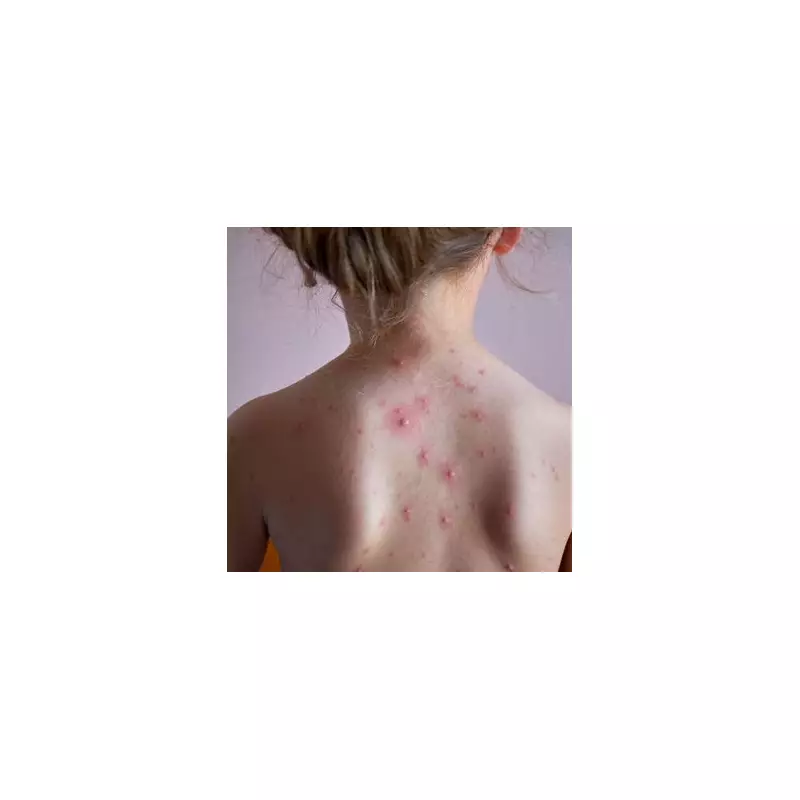
The National Health Service has made a historic change to its immunisation schedule, introducing a routine vaccine against chickenpox for the first time. The protection will be delivered through a new combined jab, marking a significant shift in public health policy aimed at preventing thousands of hospitalisations annually.
Who is Eligible for the New MMRV Vaccine?
The rollout follows a clear age-based schedule. Children born on or after January 1, 2025, will be the first cohort to receive the new combined MMRV vaccine as part of the standard programme. They will be offered two doses, administered at 12 months and 18 months of age.
In a move to protect slightly older infants, children born between July 1, 2024, and December 31, 2024, are also eligible for two doses. Their vaccinations will be given at 18 months and again at three years and four months.

For toddlers, there is a one-dose offer. Children born between September 1, 2022, and June 30, 2024, will be offered a single dose of the chickenpox vaccine when they reach three years and four months old.
Looking ahead, the NHS is planning a single-dose catch-up programme later in 2026. This initiative will target older children born between January 1, 2020, and August 31, 2022.
Why This Vaccine Rollout is a Major Step
While often considered a common childhood illness, chickenpox leads to thousands of children being admitted to hospital each year in the UK. The vaccine's primary goal is to prevent rare but severe complications associated with the virus.
These serious complications can include bacterial infections, encephalitis (brain swelling), and even strokes. By introducing routine vaccination, health officials aim to drastically reduce this burden of disease.
A Long-Awaited Policy Change
This NHS rollout comes after the Joint Committee on Vaccination and Immunisation (JCVI) recommended the move in 2023. Previously, parents seeking the chickenpox vaccine for their children had to obtain it privately at a cost of around £150 per dose. The NHS only provided it to individuals who were in close contact with those vulnerable to severe infection.
The new MMRV jab, which combines protection against measles, mumps, rubella, and varicella (chickenpox), is not an untested formula. It has been used safely for decades in several other countries, including the United States, Canada, Australia, and Germany.
Experts highlight the vaccine's proven safety profile and point to the additional benefit of reducing the significant disruption caused when children must miss school—and parents work—due to outbreaks of the highly contagious virus.