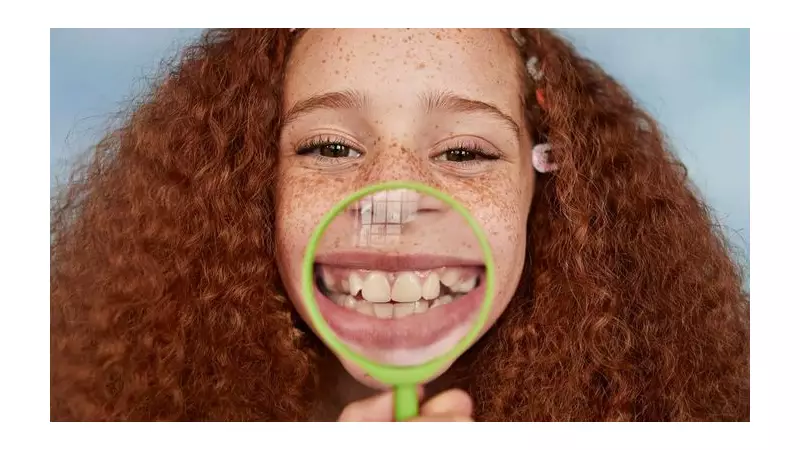
That seemingly innocent juice box or 'healthy' smoothie might be doing far more than simply quenching your child's thirst; it could be actively dissolving their smile from the inside out. This hidden reality contributes to the alarming statistic that more than one in five five-year-olds have already experienced dental decay in their primary (baby) teeth, highlighting how prevalent tooth damage remains among young children across the UK.
The Real Danger Hiding in Plain Sight
While parents often diligently hide the biscuit tin, the genuine threat frequently lurks in plain sight within our refrigerators and school bags. Leading dentist Dr Sofina Ahmed has stepped forward to expose the everyday beverages that are quietly damaging children's teeth, while sharing straightforward, practical advice that parents can implement to safeguard long-term oral health and substantially reduce the risk of decay.
You might be surprised to learn that your child's favourite afternoon pick-me-up is often far more aggressive than a chocolate bar. Certain drinks prove more damaging to teeth than traditional sweets, acting as a potent liquid delivery system for enamel erosion that parents rarely anticipate until significant damage has already occurred.

The Worst Offenders for Children's Oral Hygiene
The beverages most detrimental to a child's oral hygiene are those with high glucose content, particularly when consumed over extended periods. At the very top of this concerning list are:
- Hot chocolate, especially versions served with cream or marshmallows
- Flavoured babycinos enhanced with various syrups
- Fizzy drinks including lemonade and cola
- Juice-based drinks and concentrated fruit punches
"These beverages present a significant challenge because sugar directly triggers the bacteria naturally present in your child's mouth," explains the expert from Viva Dental. "The bacteria then produce acid, which systematically weakens the protective tooth enamel. Warm drinks like hot chocolate exacerbate the problem further: heat helps sugar cling to teeth more tenaciously, and children are more likely to sip them slowly, effectively coating teeth in sugar for considerably longer than a small sweet treat would."
Common Drinks That Escape Parental Scrutiny
Numerous drinks that typically escape parental scrutiny are actually contributing significantly to the gradual erosion of dental surfaces. Parents should maintain a watchful eye on these specific items:
- Flavoured milk varieties, such as vanilla, strawberry and chocolate
- Fruit juice and smoothies, even those labelled as 100% juice, which are not only acidic but also packed with natural sugars that erode enamel rapidly
- Babycinos, particularly if sprinkled with chocolate powder or prepared with flavoured milk
- Herbal or fruit teas, which can still contain substantial sugar and acidity
Because these beverages don't typically feel like obvious 'treats', children often consume them more frequently, which paradoxically makes them more damaging than the occasional chocolate indulgence. This frequent exposure to 'stealth' sugars can lead to what dentists term silent decay, progressing unnoticed until substantial damage has occurred.
Understanding the Mechanism of Damage
Dr Ahmed elaborates on the physiological process: "Imagine your youngster's dental structure gradually eroding a little each day. Every single sugary drink activates an acid attack that can persist for up to an hour. When this cycle repeats day after day, the enamel gradually thins and weakens, teeth become increasingly sensitive, and cavities can begin forming silently, usually without any initial pain or discomfort."
She further clarifies that it is often the duration of exposure rather than the sheer volume of the drink that dictates the ultimate level of harm. "When children drink a sugary beverage slowly, the sugar and acid remain on the teeth for much longer periods, giving these damaging substances more time to wear away enamel and substantially raise the risk of decay."

Practical Strategies for Damage Reduction
If your child is enjoying a treat drink, dental professionals strongly recommend encouraging them to consume it in one sitting rather than sipping gradually. The optimal time is alongside a meal, rather than consuming it independently over an extended period. This focused window of consumption allows the mouth's natural defences, including saliva production, to recover more effectively between exposures.
Healthcare professionals advise that parents can significantly reduce the chance of decay by implementing these practical measures:
- Keep sugary drinks strictly as occasional treats rather than daily habits
- Serve them exclusively with meals, never between meals
- Use a straw whenever possible to minimise direct contact with teeth
- Ensure children drink plain water afterwards to wash residual sugar away
- Select sugar-free or low-sugar alternatives whenever available
These relatively small behavioural changes can instantly reduce dental damage without completely removing the joy of occasional treats. The approach centres on intelligently managing the oral environment rather than enforcing total deprivation.
A Critical Timing Consideration
There exists a frequent misconception that cleaning teeth immediately after consuming a sugary beverage is beneficial. In reality, after acidic or sugary drinks, the tooth enamel becomes temporarily weakened. Brushing straight afterwards is comparable to scrubbing a surface that has already been softened.
To preserve the integrity of the enamel, parents should adhere to these specific timing guidelines:
- Wait at least 30-60 minutes before brushing after sugary consumption
- Instead, encourage immediate rinsing with plain water
- If consumption occurs close to bedtime, brushing before the drink is often preferable to brushing immediately afterwards
By understanding the hidden dangers in everyday drinks and implementing these practical protective strategies, parents can take meaningful steps toward preserving their children's dental health and ensuring those young smiles remain bright and strong for years to come.