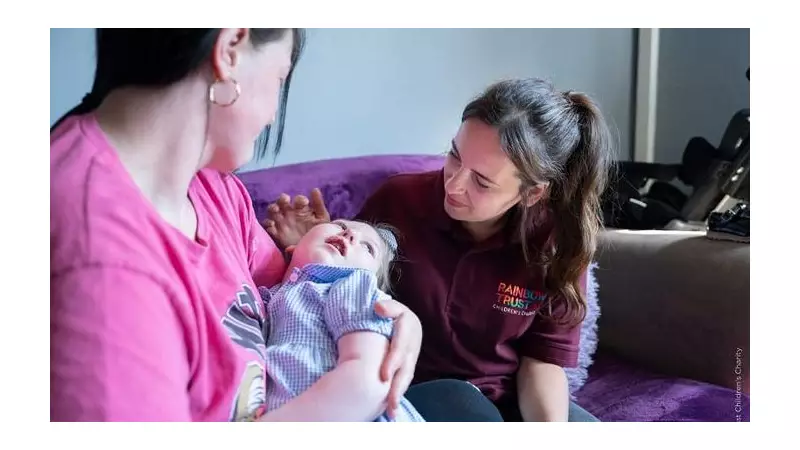
A pioneering children's palliative care initiative in the North West of England has been hailed as a transformative success following an independent academic review. The Kentown Children's Palliative Care Programme, a three-year pilot, has fundamentally improved support for families with seriously ill children across Lancashire and South Cumbria.
Filling a Critical Gap in Family Support
Established to tackle fragmented care and inconsistent access to services, the programme was funded by The Kentown Wizard Foundation. It provided a bespoke, wrap-around package of clinical, social, emotional, and practical support delivered directly to families in their homes. This approach ensured earlier access to vital palliative care, acting as a lifeline for those navigating complex health systems.
Dr Katherine Knighting, Associate Professor in Palliative and Supportive Care at Edge Hill University and lead evaluator, emphasised the programme's impact. "The Kentown Programme was seen as easing the burden of navigating what families often experience as a fragmented system," she said. "It provided a trusted, consistent presence at a vital time, offering coordination of care, access to equipment, grants, and memory-making experiences."

Holistic Care with Profound Results
The innovative pilot was a collaboration between the charities Together for Short Lives and Rainbow Trust Children’s Charity, alongside the NHS Lancashire and South Cumbria Integrated Care Board. It brought together nurses, family support workers, and coordinators to offer a new, complementary model of care.
The evaluation by Edge Hill University found compelling evidence of its success:
Over 250 families were referred to the programme, with a third receiving fully integrated nursing, family support, and coordination.
The relationship-based care made families feel genuinely seen and heard, transforming their ability to manage complex care needs.
Critically, the programme proved to be inclusive and accessible, reaching families who had previously been excluded from specialist children’s palliative care services.
A Model for the Future of Community Care
Professor Bernie Carter, a Children’s Nursing expert and part of the evaluation team, praised the dedication of the staff. "Their collegiality and care for each other was indicative of how they worked with families. They learned from each other, were creative and thought out of the box," she observed. "Together they made great things happen for children and their families."
Following this resounding success, the newly formed charity Kentown Support is now funding the two partner charities to continue delivering this integrated community care across Lancashire and South Cumbria for a further two years. Furthermore, a second programme has already been launched in Greater Manchester, partnering with new charities to replicate the model's impact.
All partners are now urging the government and NHS bodies across the UK to adopt this integrated approach. They believe it is key to realising the essential shift of care from hospital to community settings, delivering better neighbourhood health for seriously ill children and their families nationwide.