Blue Badge Scheme Expanded to Include Non-Visible Disabilities
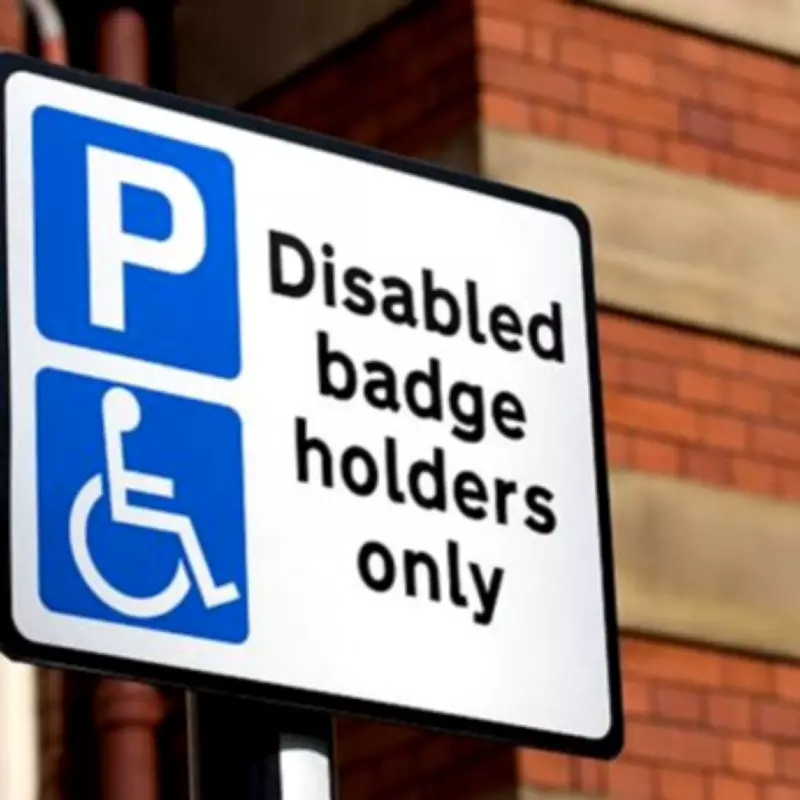
A Blue Badge is a parking permit designed to assist individuals with disabilities or specific health conditions by allowing them to park in designated accessible spaces or in areas where parking is typically restricted. This initiative aims to support those facing mobility difficulties, including people with physical disabilities, severe health issues, or sensory impairments, enabling easier access to services and daily activities.
Benefits for Blue Badge Holders
Holders of a Blue Badge can typically park closer to building entrances, facilitating access to shops, medical facilities, and other essential services. In many locations, they are also permitted to park for extended periods in restricted zones or in areas usually off-limits, such as on double yellow lines, though specific rules vary by area.
Focus on Mobility Impact
The Labour Party government has emphasized that the Blue Badge scheme will remain centered on the impact of an applicant's mobility, rather than being based solely on specific disabilities or conditions. This approach ensures that the program addresses the practical needs of individuals, regardless of whether their disabilities are visible or not.

List of Eligible Non-Visible Disabilities
A comprehensive list of hidden conditions that now qualify for a Blue Badge has been revealed. These include:
- Anxiety
- Depression
- Schizophrenia
- Personality disorders
- Obsessive compulsive disorder
- Autism
- Visual impairments or restricted vision
- Hearing loss
- Sensory and processing difficulties
- Dementia
- Traumatic brain injury
- Learning disabilities
Concerns Over Blue Badge Fraud
The British Parking Association (BPA) is urging the government to address the issue of Blue Badge fraud and review the status of the scheme nationwide. Alison Tooze, Chief Engagement and Policy Officer at the BPA, highlighted the severity of the problem, stating, "The statistics around the level of Blue Badge misuse and fraud are shocking. We cannot continue to ignore this issue, especially when the victims are some of the most vulnerable in our society."
She further explained, "Badge holders rely on accessible parking to carry out their day-to-day activities, and for many, it is a vital part of living an independent life. Perpetrators of blue badge misuse and fraud deprive genuine badge holders of this right to freedom, whilst costing ordinary taxpayers millions every year. This must stop."
This expansion of the Blue Badge scheme represents a significant step toward inclusivity, ensuring that individuals with non-visible disabilities receive the support they need for improved mobility and access to essential services.