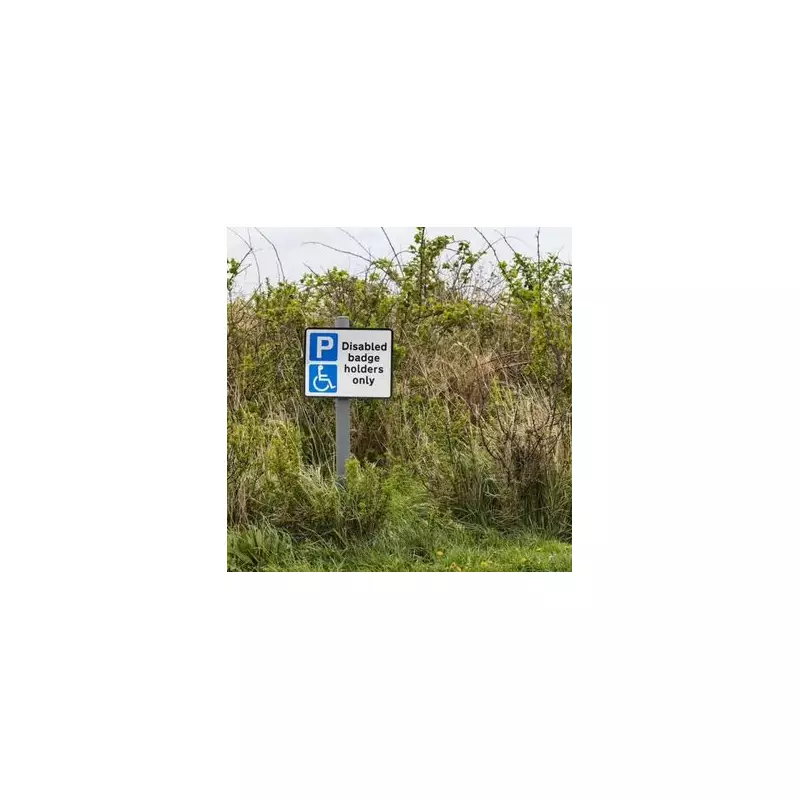
Many UK drivers may be eligible for a Blue Badge parking permit without realising it, as the qualifying criteria extend far beyond just receiving certain Department for Work and Pensions (DWP) benefits. The Labour government has clarified the rules, revealing a broader scope for automatic qualification that could help thousands more motorists and road users.
Who automatically qualifies for a Blue Badge?
The government has outlined specific circumstances where individuals are automatically entitled to the scheme. A key group includes people over three years old who receive the mobility component of Personal Independence Payment (PIP). Automatic qualification applies if you have been awarded 10 points specifically for descriptor E under the ‘planning and following journeys’ activity. This is on the grounds that you are unable to undertake any journey because it would cause overwhelming psychological distress.
Other automatic qualification pathways include:

- Receiving the higher rate of the mobility component of Disability Living Allowance (DLA).
- Receiving a War Pensioners’ Mobility Supplement.
- Being registered as severely sight-impaired (blind).
- Receiving PIP because you cannot walk more than 50 metres (scoring 8 points or more under the ‘moving around’ activity).
- Having received a lump sum benefit within tariff levels 1-8 of the Armed Forces Compensation Scheme and being certified with a permanent, substantial disability that causes inability to walk or very considerable difficulty walking.
Additional eligibility criteria you might meet
Even if you do not automatically qualify, you may still be eligible for a Blue Badge through further assessment. This is particularly relevant if your PIP score falls under descriptor E for 'planning and following journeys', but is not exactly 10 points. You may still be eligible with a score of 12, for example, but you will need to provide supporting evidence as part of an application which will then be assessed by your local council.
The eligibility net is cast wide to include various hidden disabilities and health conditions. You could qualify if:
- Walking is dangerous to your health and safety.
- You struggle severely to plan or follow a journey.
- You find walking very difficult due to pain, breathlessness, or the time it takes.
- You regularly have intense and overwhelming responses to situations causing temporary loss of behavioural control.
- You have a severe disability in both arms, drive regularly, but cannot operate pay-and-display machines.
Special rules for children and specific conditions
The scheme also makes specific provisions for children and less common medical situations. Parents of a child under three may qualify if the child has a medical condition requiring them to always be accompanied by bulky medical equipment, cannot walk without help, or cannot walk at all.
Furthermore, eligibility extends to those where a child under three must always be kept near a vehicle for emergency medical treatment. Others may qualify if they are constantly a significant risk to themselves or others near vehicles, in traffic, or in car parks, or if they frequently become extremely anxious or fearful in public or open spaces.
If you have a life-limiting illness that means you cannot walk or find walking very difficult and have an SR1 form, this is also grounds for eligibility. The crucial step for anyone who believes they may qualify is to contact their local council to begin the application process, providing all necessary medical evidence to support their claim.