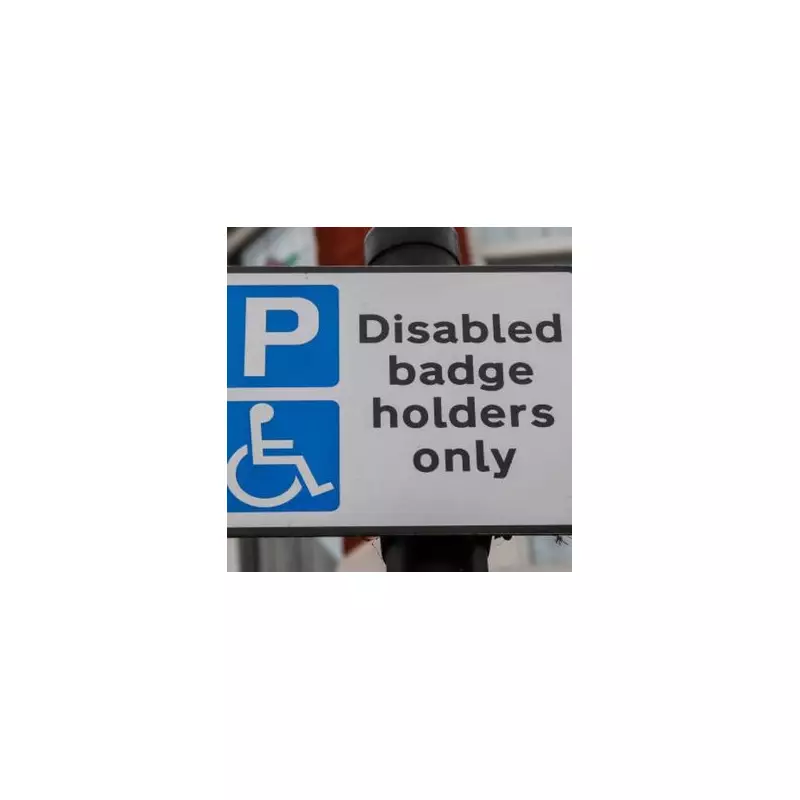
Drivers who hold a Blue Badge for disability parking are being warned they could face a staggering £1,000 fine and the loss of their driving licence due to a common oversight. The penalty stems from a legal requirement to inform the Driver and Vehicle Licensing Agency (DVLA) about specific medical conditions that could affect driving safety.
The Legal Duty for Blue Badge Holders
The Blue Badge scheme is a vital resource for people with disabilities or serious health conditions, granting them the right to park closer to shops, services, and workplaces. However, holding a badge comes with significant legal responsibilities concerning fitness to drive.
Official government guidance is clear: if you are a driver and your disability is likely to affect your ability to drive, you must by law inform the DVLA. This rule applies even if your vehicle has been specially adapted for your needs. Failing to report a 'notifiable' condition is a serious offence.

What Conditions Must You Report?
The DVLA maintains a list of health issues that drivers are legally obligated to declare. For Blue Badge holders, whose badges are often linked to ongoing medical concerns, understanding this list is critical. Key notifiable conditions include:
- Diabetes, particularly if you require insulin.
- Heart conditions, such as atrial fibrillation or having a pacemaker fitted.
- Epilepsy.
- Stroke.
- Sleep apnoea.
- Syncope (recurrent fainting).
- Glaucoma.
The DVLA has stated directly that you could be fined up to £1,000 if you do not report a relevant condition. Furthermore, you could face prosecution if you are involved in an accident while driving with an undeclared medical issue.
What Happens After You Report a Condition?
The process after notifying the DVLA is designed to assess your safety on the road. Importantly, you are generally permitted to continue driving while the agency reviews your case, unless your doctor has advised you otherwise.
Following its medical assessment, the DVLA will write to you with its decision. This letter may confirm that you can continue to drive, perhaps with specific vehicle adaptations. Alternatively, it may impose driving restrictions or, in some cases, revoke your licence if it is deemed unsafe for you to drive.
The ultimate decision hinges on how your specific condition impacts your driving ability. The government stresses that it is the driver's legal duty to ensure the DVLA has all the necessary information to make that judgement, protecting both the driver and the wider public.