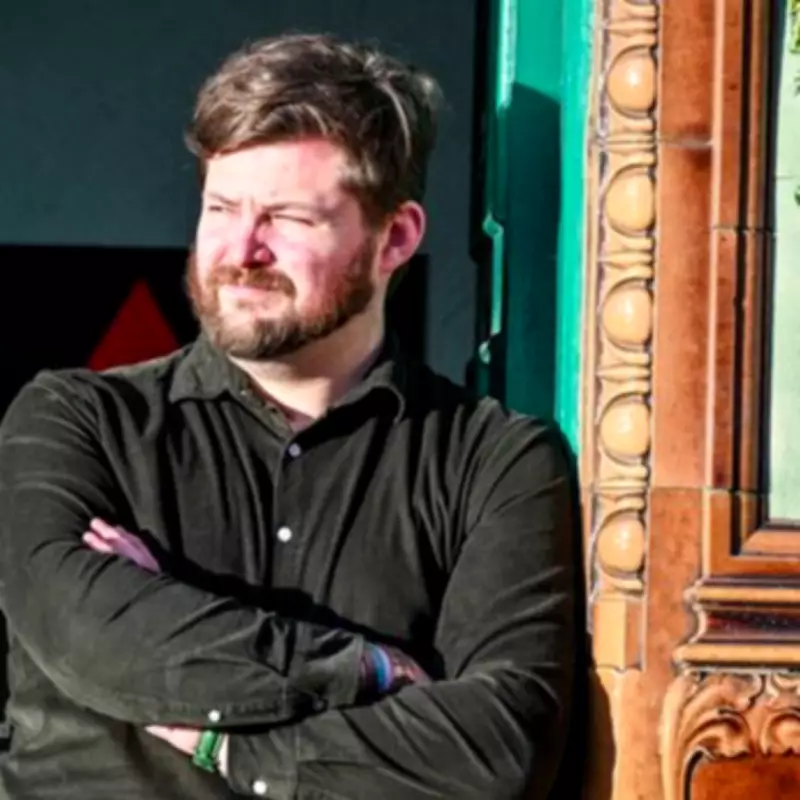
A man from Gloucester who sustained a traumatic brain injury in a car crash says he has been unfairly dismissed from multiple jobs because the condition leaves him with "no filter" and causes him to make inappropriate comments at work.
Nicholas Atherton's Struggle with Brain Injury Symptoms
Nicholas Atherton, aged 33, explains that his injury results in a significant lack of inhibition, which has led to problematic situations in his workplace. This symptom, medically recognised as common following brain injuries, causes him to say things without the usual social filters that most people employ.
Incidents Leading to Dismissals
In his most recent position at a restaurant, Nicholas was dismissed after complaints arose when he asked colleagues in a relationship if they were "cuddle buddies." On another occasion, a younger colleague lodged a complaint when he remarked "good girl" after she assisted him with a task.

Nicholas maintains that he consistently informs potential employers in the hospitality industry about his brain injury during job interviews. However, he believes these employers then fail to adequately inform their staff about his limitations and the nature of his condition.
The Life-Altering Accident and Recovery
The difficulties stem from a serious car crash that occurred while Nicholas was driving home after a long day. The accident left him with significant injuries that required extensive rehabilitation.
He spent over a year at Frenchay Brain Injury Rehabilitation Centre and Assisted Living in Bristol from December 2015 until January 2017, where he had to relearn basic functions including how to walk again. The injury also left him with a prominent scar on his head.
Employment Challenges and Zero-Hour Contracts
Despite his passion for customer service and hospitality, Nicholas has struggled to secure stable employment since his recovery. He has only been able to find positions offering zero-hour contracts, which provide little job security or consistent income.
This is particularly frustrating given that he has been described as a "wizard" at his jobs by former employers, with one even acknowledging in writing that his dismissal had nothing to do with his ability to perform the role effectively.
Appeal Process and Employer Response
After being dismissed from his most recent position, Nicholas appealed the decision. His employer acknowledged that they had not followed proper disciplinary procedures but maintained their decision to terminate his employment regardless.
Charity Perspective on Workplace Accommodations
Headway Gloucestershire, a charity that has supported Nicholas, emphasizes that employers of people with brain injuries should make other staff aware that the condition may cause inappropriate comments. This awareness could help prevent misunderstandings and create a more supportive work environment.
Julie Reader-Sullivan, CEO of Headway Gloucestershire, told the BBC: "Employers are responsible for all employees. So it needs to be fair. It's not about saying, 'forgive that person because they are saying something inappropriate.' It is about saying if this happens, this is what you should or shouldn't do."
The charity produces identity cards that state someone has a brain injury and explains how it affects them, which could help in workplace situations.
Family Support and Emotional Impact
Nicholas's mother, Ann Atherton, 69, expressed frustration with how employers have handled her son's situation. "They weren't interested enough to learn and to educate their staff as to what it was," she said. "And so they were just allowed to take offence without realising that Nick wasn't meaning anything."
She added that since his last dismissal, his self-esteem has significantly decreased. "He has a brain injury and it would be nice if people respected that and treated that with compassion. This man is good at what he does and he deserves a chance."
Looking Forward and Raising Awareness
Nicholas continues to hope for greater understanding from employers in his next role. When available, he lends a hand at his local pub, the Imperial Inn in Gloucester, where he occasionally serves drinks behind the bar.

"I just have to live with it because I can't go in and grab them and say 'give me a job'," Nicholas explained. "Quite sadly I am just used to this now. But I am good at what I do, I am not just worth of collecting glasses."
His primary goal remains raising awareness about brain injuries in the workplace while simply wanting the opportunity to work in an environment that accommodates his condition with appropriate understanding and support.