Birmingham Hospitals to Receive New Urgent Treatment Centres in Major NHS Overhaul
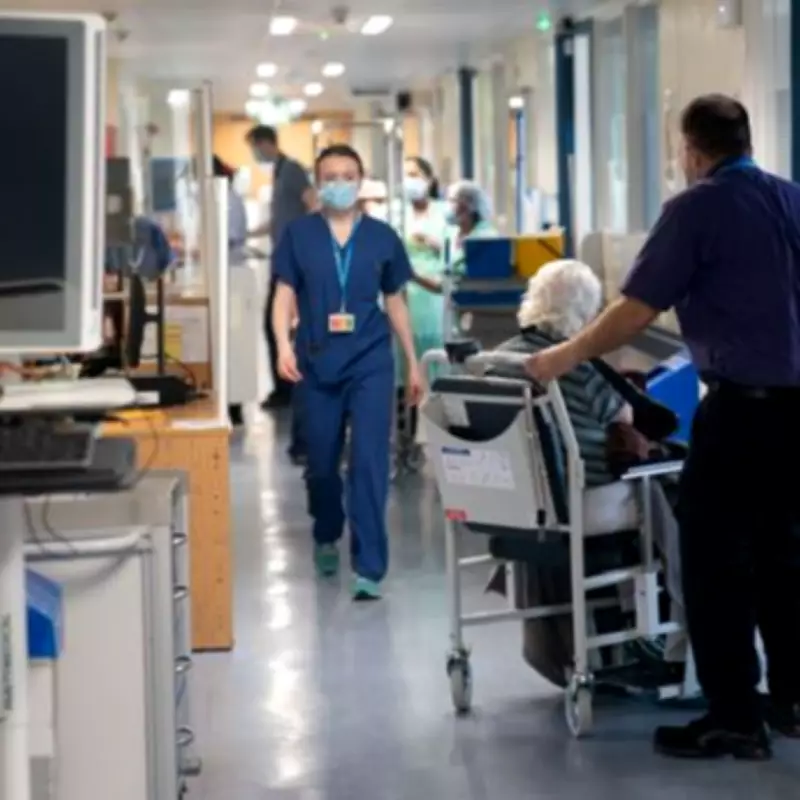
Three prominent Birmingham hospitals are set to benefit from new urgent treatment centres as part of a national initiative to eradicate the practice of corridor care, where patients are treated in hallways and waiting rooms due to overcrowding.
Targeting the Most Affected Hospitals
The Queen Elizabeth Hospital, Heartlands Hospital, and Good Hope Hospital are among ten hospitals across England selected for the establishment of these new facilities. These centres will handle minor illnesses and injuries, including sprains, cuts, and infections, offering walk-in appointments to alleviate pressure on busy accident and emergency departments.
While exact opening dates have not been finalized, the government has indicated that some of these centres will become operational later this year. The initiative specifically targets health trusts with the highest levels of corridor care, deploying expert teams to provide bespoke clinical support to leadership staff and identify systemic issues.

Government Commitment to Dignified Care
Health Secretary Wes Streeting emphasized the government's determination to end what he described as an unacceptable and undignified norm within the NHS. "For too long, the normalisation of corridor care has been baked into our NHS – it’s unacceptable, undignified and exactly why this government is shifting the dial for patients and staff," he stated.
Streeting added, "We're sending in specialist teams of experts to identify the causes in some of the worst offending trusts and swiftly rectify the problems they find. That, plus new and expanded urgent care centres will mean patients are treated more quickly and in the right place, while easing pressure on busy A&Es to care for the most serious cases."
Defining and Addressing Corridor Care
In March, NHS England published its official definition of corridor care, classifying it as patients spending 45 minutes or more in clinically inappropriate areas such as hallways or waiting rooms. This crisis has reportedly left NHS staff feeling embarrassed, highlighting the urgent need for systemic changes.
The government's strategy includes not only the new centres in Birmingham but also expansions at existing facilities in Stockport, Nottingham, Margate, and Dorchester. Additionally, five new same-day emergency care services will open in Liverpool, Barnsley, Southampton, Margate, and Guildford, with 21 other sites across England being expanded to provide rapid assessment, diagnosis, and treatment for patients with urgent but stable conditions.
Broader National Impact
Other hospitals set to receive new urgent treatment centres include Leicester, Stoke, Salisbury, the Royal Free in London, Southampton General Hospital, and Royal Hampshire County Hospital in the South East of England. This comprehensive approach aims to cut waiting times, improve patient outcomes, and build an NHS fit for the future, backed by record investment.
Streeting concluded, "We are cutting waiting times and moving away from unacceptable corridor care, building an NHS that treats patients with dignity. After the NHS performed significantly better this winter, we are going further to strengthen services and build a system fit for the future, backed by record investment."