Wolverhampton Boy's Brain Tumor Initially Misdiagnosed as Iron Deficiency
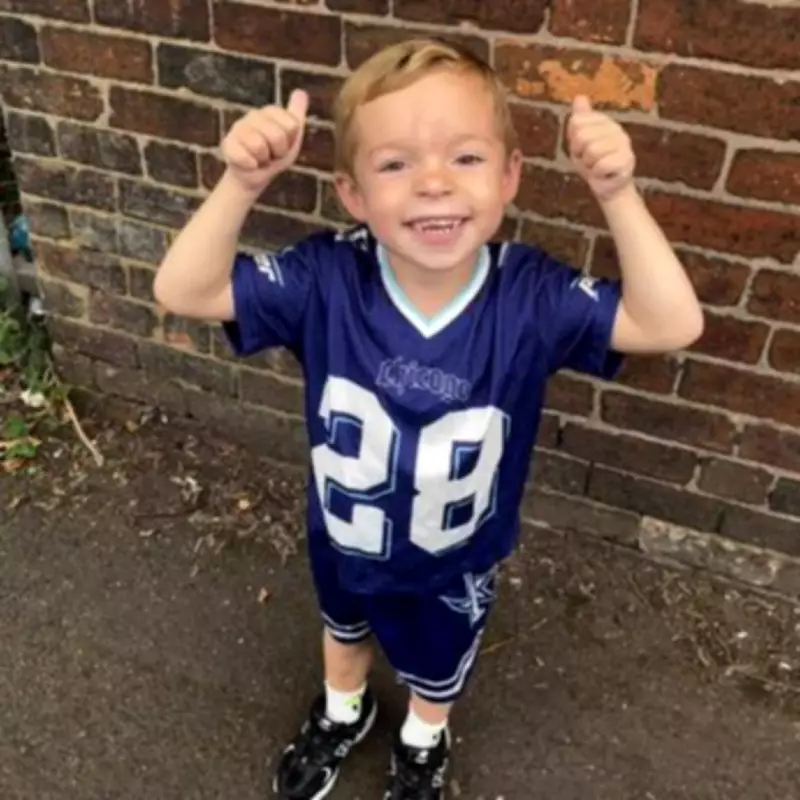
A four-year-old boy from Wolverhampton is currently fighting for his life after symptoms of a brain tumor were mistakenly attributed to an iron deficiency by medical professionals. Young Finley underwent emergency brain surgery following weeks of severe symptoms that were not properly identified initially.
Mother's Instinct Knew Something Was Wrong
Courtney McNally, Finley's 31-year-old mother, recognized that something was seriously wrong with her son long before doctors understood the severity of his condition. The SEN teaching assistant described how her son began experiencing persistent projectile vomiting approximately two months ago, but would appear completely normal immediately afterward.
"As a mum, you notice when that spark in your child's eyes starts to dim, even before the physical symptoms really take hold," Courtney explained. "He became extremely lethargic and complained of exploding headaches. His personality changed too – he went from being an active little boy to someone who just wanted to lie in the dark."

Initial Diagnosis and Escalating Concerns
After taking Finley to their GP surgery, Courtney was told her son had an iron deficiency based on blood test results. He was sent home with supplements and dietary recommendations, but his condition continued to deteriorate rapidly.
"I desperately wanted to believe the GP because the alternative was too scary to think about," Courtney admitted. "But as he got worse, I knew they were wrong. Iron deficiencies don't cause a child to lose their spark or have projectile vomiting, or screaming in pain from a headache."
The concerned mother felt her pleas for help were being ignored despite her son's worsening symptoms. She described feeling like she was screaming for help while no one was listening to the severity of what she was witnessing at home.
Emergency Medical Intervention
When Finley's symptoms became unbearable, Courtney and her family rushed him to A&E where doctors performed an MRI scan. The results revealed a large brain tumor causing hydrocephalus – a dangerous accumulation of fluid in the brain that can prove fatal if left untreated.
In March 2026, Finley was immediately taken into emergency surgery to relieve the pressure on his brain. He later underwent a second operation to remove the tumor completely. Courtney described receiving the diagnosis as experiencing "absolute, cold terror" and feeling like the world had stopped spinning.
Current Condition and Recovery Process
The tumor has since been confirmed as benign, meaning it is non-cancerous, but medical professionals warned that its location and the pressure it created made it life-threatening. Finley is currently recovering in hospital following major neurosurgery.
He has had an External Ventricular Drain fitted to help remove excess fluid from his brain, and doctors continue to monitor whether he will require a permanent shunt. The tumor has left him with weakness on his left side, necessitating intensive neuro-physiotherapy to regain movement.
"Now that we know it is benign, the outlook is much more hopeful, but the road is long," Courtney stated. "I feel like I am living in a nightmare that I can't wake up from, but I don't have the luxury of breaking down."
Family's Emotional Struggle and Fundraising Efforts
Courtney expressed mixed emotions about the initial misdiagnosis, acknowledging feelings of anger and heartbreak over the precious time lost while Finley suffered in pain. However, she has not filed a formal complaint against the medical professionals involved.
The family has launched a fundraiser to cover expenses including petrol, bills, food during Finley's hospital stay, and essentials to ease their transition when they eventually return home. Courtney remains determined to support her son through his recovery journey.
"Finley is a warrior," she declared proudly. "He's been through so much trauma, surgery, and pain, yet he is still fighting. He has bad days with agitation because his brain has been through so much, but he is showing us every day how brave a four-year-old can be."

Despite the emotional toll and physical challenges, Courtney finds strength in her son's resilience and remains committed to being his advocate and protector throughout this difficult medical ordeal.