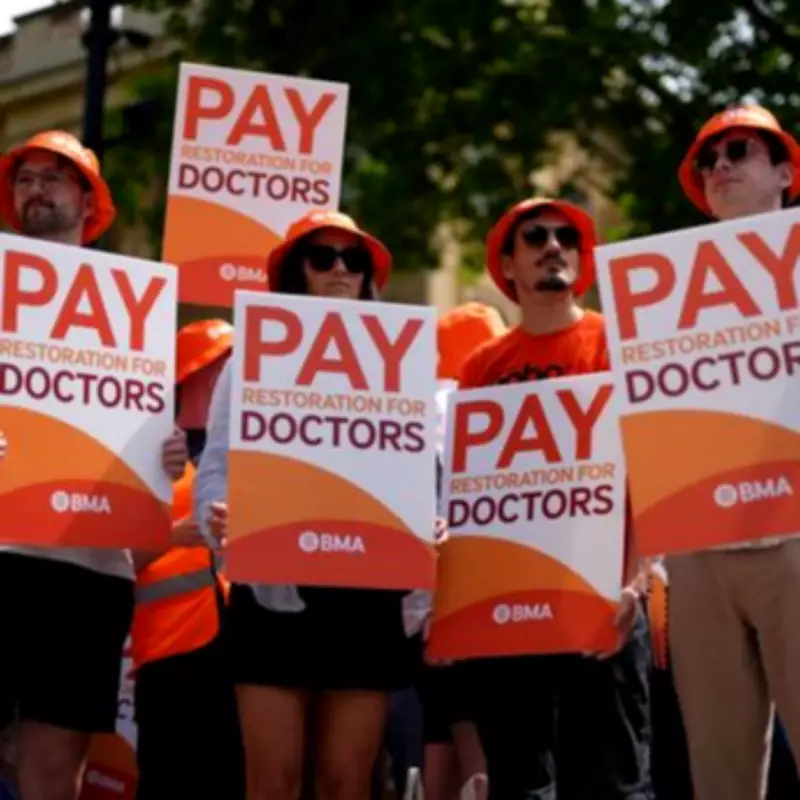
Industrial action taken by resident doctors across Birmingham and Solihull has led to substantial additional staffing costs for local NHS trusts, with figures revealing an extra expenditure of approximately £6.2 million. This significant financial impact has been detailed in recent reports presented to the board of University Hospitals Birmingham (UHB) NHS Foundation Trust, highlighting the ongoing economic pressures facing healthcare services in the region.
Financial Strain on Hospital Services
Julian Miller, the chief financial officer at UHB, provided a stark overview of the trust's financial position during a board meeting held on January 29. He reported that, as of December (referred to as Month 9 in the financial calendar), the trust recorded an overall year-to-date deficit of £36.8 million. This figure represents a substantial adverse variance of more than £25 million compared to the financial plan established at the beginning of the fiscal year.
Mr Miller emphasised that the primary driver behind this concerning deficit was overspending on staff costs. He broke down the components, noting a £17.5 million overspend on substantive staffing and a further £19.9 million overspend related to bank staffing. It is within this latter category that the costs associated with the resident doctors' industrial action are contained, accounting for roughly £6.2 million of the total.

The Impact of Industrial Action
The strike action was coordinated by the British Medical Association (BMA) following a pay dispute in 2025, which directly affected hospital operations in Birmingham and Solihull. Although the government had awarded doctors a 5.4 per cent pay increase, the BMA had been campaigning for a much larger rise of 29.2 per cent to compensate for historical pay freezes that have eroded earnings over time.
A particularly intense round of industrial action took place over five days between December 17 and December 22. While hospital management had implemented contingency measures in an attempt to maintain most planned services during the walkout, the reliance on bank staff to cover shifts led to the multi-million pound additional costs that have now impacted the trust's budget.
Concerns Over Patient Safety and Service Delivery
Prior to the strikes, senior medical union leaders had expressed serious concerns about the potential risks to patient safety. Dr Emma Runswick, the deputy chairwoman of the BMA, appeared on BBC Radio 4's Today programme in July 2025 to warn that NHS England's guidance to keep most planned care running during the resident doctors' strike was "seriously risky".
She argued that this approach could create dangerous confusion in emergency departments and place an unsustainable strain on the remaining clinical staff. These warnings underscored the difficult balance that NHS trusts must strike between maintaining service delivery and managing the financial consequences of industrial action.
Broader Financial Context and Future Challenges
Despite the significant overspend on bank staffing due to industrial action, Mr Miller did note some positive developments in the trust's financial management. He reported that spending on agency staff was actually £1.3 million lower than planned, standing at £13.3 million for the year to date.
However, he also highlighted an ongoing challenge in reducing overall bank staff expenditure at the anticipated pace. The combination of these factors paints a complex picture of financial management within the NHS, where trusts must navigate the competing demands of clinical need, staff welfare, and budgetary constraints.
The £6.2 million cost attributed to the resident doctors' strike action represents a tangible example of how industrial relations within the health service can have direct and substantial financial repercussions. As the NHS continues to face funding pressures, the outcomes of pay disputes and subsequent industrial action will remain critical factors in determining the financial health of hospital trusts across the country.