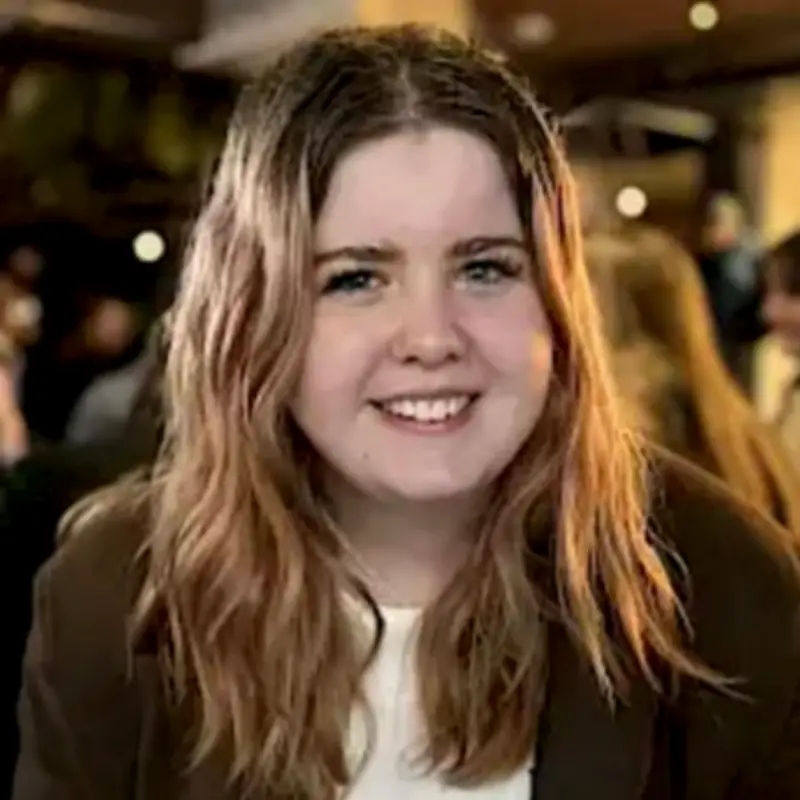
A vulnerable teenager who died at a mental health unit could have been saved if doctors had acted sooner, an inquest has determined. Natalia Cestaro, 18, known as Tali, was an inpatient at the Caludon Centre, part of University Hospital Coventry, when she passed away on November 15, 2023.
Tali had autism and complex mental health needs, including emotionally unstable personality disorder (EUPD). She had a known history of impulsively swallowing foreign objects. In September 2023, she ingested an item that was subsequently removed via endoscopy, the inquest was informed.
During the procedure, doctors suspected a partial tear in her stomach wall, but no further investigation was undertaken. Tali later experienced increasing abdominal pain, and her condition deteriorated. Although diagnostic imaging was planned, it was not performed as scheduled, and her case was not escalated to the surgical team, the inquest heard. By the time the gastric perforation and resulting sepsis were fully recognized, it was too late to save her.

After Tali's death, the University Hospitals Coventry and Warwickshire (UHCW) NHS Trust reportedly acknowledged that she might have survived if appropriate specialist care had been provided.
Tali was described by her family as bright and outgoing, with a passion for musicals such as Hamilton and Heathers. She also enjoyed cooking and loved to impress others with her dishes. Tali was deeply supportive of those facing similar struggles and shared her experiences on Instagram.
Speaking after the inquest, her family said: Tali leaves a hole in our family that can never be filled. We will always be grateful for the time we had with our funny, passionate whirlwind of a girl, but forever devastated that our time with her was so short. Although Tali is no longer with us, her legacy lives on through the three people whose lives were transformed by her organ donation. We hope that the lessons learned will prevent another family from going through what we have been through.
Concluding the inquest on May 1, HM Acting Area Coroner Linda Lee found that Tali died from medical misadventure due to delayed imaging and not being kept nil by mouth as instructed. She also noted delayed recognition and escalation of post-procedural deterioration by medical staff. Ms Lee highlighted failings at both the Coventry and Warwickshire Partnership NHS Trust and UHCW NHS Trust, including gaps in communication between mental health and acute services during inpatient transfers for physical health conditions.
Selen Cavcav from INQUEST stated: Tali died a preventable death while she was an inpatient in a mental health unit, where she was supposed to be under the care of highly trained staff whose job was to keep her safe. Unless inquest findings and recommendations are analyzed and trusts are held accountable for failing to learn lessons and implement changes, we fear that deaths will sadly continue.
Both trusts apologized to Tali's family. A UHCW NHS Trust spokesperson said: We are deeply sorry for the loss of Natalia Cestaro and offer our sincere condolences to her family and loved ones. UHCW has implemented changes following a patient safety review, and we continue to work closely with the Coventry and Warwickshire Partnership Trust on a joint action following a Prevention of Future Deaths Report to improve liaison, shared responsibility, and specialist input for patients with complex mental health needs.
A spokesperson for the Coventry and Warwickshire Partnership NHS Trust said: We fully accept the findings of the inquest. During the inquest proceedings, we outlined the improvements we have made, with a particular focus on strengthening safety planning and enhancing the support provided to patients while they are attending acute services. We are committed to learning from this case and will be writing to the coroner to set out our assurances, demonstrating the action taken to further improve the safety and quality of care we provide.
If you are struggling to cope, mental health support is available across Coventry and Warwickshire 24/7 by calling 111. If you have seriously harmed yourself or are considering it, call 999 or ask someone to call 999 for you.